To provide high-quality Water pump products for global customers.


Understanding the Flow Dynamics of Submersible Slurry Pumps: A Comprehensive Guide
Dec 20,2025
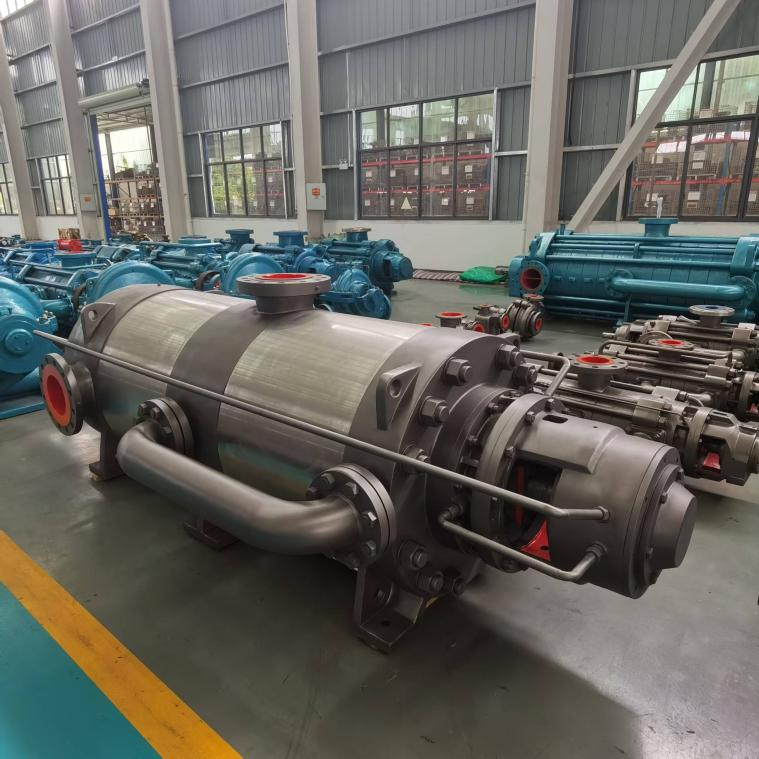
Understanding the Flow Dynamics of Submersible Slurry Pumps
Table of Contents
1. Introduction to Submersible Slurry Pumps
2. Key Components of Submersible Slurry Pumps
3. The Importance of Flow Dynamics in Pump Performance
3.1 How Flow Dynamics Affects Pump Efficiency
3.2 The Role of Fluid Properties in Flow Dynamics
4. Types of Slurry and Their Impact on Flow Dynamics
4.1 Classification of Slurries
4.2 Rheology and Its Effect on Pumping Operations
5. Design Considerations for Optimal Flow Dynamics
5.1 Impeller Design and Its Influence on Flow
5.2 Pump Sizing and Its Importance in Flow Dynamics
6. Troubleshooting Common Flow Dynamics Issues
6.1 Identifying Flow Restrictions
6.2 Solutions for Flow Instabilities
7. Maintenance Practices for Optimal Flow Dynamics
8. Frequently Asked Questions (FAQs)
9. Conclusion
1. Introduction to Submersible Slurry Pumps
Submersible slurry pumps are specialized pumps designed to handle abrasive and viscous materials, making them essential in various industries, including mining, construction, and wastewater management. Unlike traditional pumps, these devices operate submerged in the fluid they are pumping, which allows for efficient handling of slurries without the need for priming. Understanding the flow dynamics involved in submersible slurry pumps is crucial for ensuring optimal performance and longevity of the equipment.
2. Key Components of Submersible Slurry Pumps
To grasp the flow dynamics of submersible slurry pumps, one must first understand their key components. These include:
- **Impeller**: The rotating part that imparts kinetic energy to the slurry.
- **Volute Casing**: A spiral-shaped casing that converts kinetic energy into pressure.
- **Suction Strainer**: Prevents large particles from entering the pump and causing damage.
- **Motor**: Powers the impeller and is often hermetically sealed to prevent water ingress.
Each component plays a vital role in the pump's ability to transport slurries efficiently, directly influencing flow dynamics.
3. The Importance of Flow Dynamics in Pump Performance
Flow dynamics refers to the behavior of fluid flow within the system, significantly affecting the pump’s performance.
3.1 How Flow Dynamics Affects Pump Efficiency
Efficient fluid flow enhances the pump's ability to move slurries without incurring excessive energy losses. Understanding the velocity, pressure, and turbulence within the pump is essential to optimize its operation.
3.2 The Role of Fluid Properties in Flow Dynamics
The viscosity, density, and particle size distribution of the slurry significantly influence the flow behavior. Higher viscosity fluids may require more power to pump, while larger particles can cause blockages and wear.
4. Types of Slurry and Their Impact on Flow Dynamics
Different types of slurries behave uniquely under flow conditions.
4.1 Classification of Slurries
Slurries can be classified as cohesive or non-cohesive, based on the interaction between solid particles and the fluid. Cohesive slurries tend to form clumps, affecting flow behavior, while non-cohesive slurries flow more freely.
4.2 Rheology and Its Effect on Pumping Operations
Rheology, the study of the flow of matter, is vital when considering how slurries will behave under various conditions. Understanding the rheological properties helps in selecting the appropriate pump type and design.
5. Design Considerations for Optimal Flow Dynamics
Ensuring that a submersible slurry pump operates efficiently requires careful attention to design considerations.
5.1 Impeller Design and Its Influence on Flow
The design of the impeller is crucial for generating the necessary flow and pressure. A well-designed impeller minimizes turbulence and energy losses, enhancing overall efficiency.
5.2 Pump Sizing and Its Importance in Flow Dynamics
Choosing the correct pump size is imperative. An oversized pump can lead to increased wear and energy consumption, while an undersized pump may struggle to handle the required flow rate.
6. Troubleshooting Common Flow Dynamics Issues
Even with optimal design and operation, issues can arise. Identifying and addressing these problems promptly is essential.
6.1 Identifying Flow Restrictions
Flow restrictions can occur due to blockages or design flaws. Monitoring pressure readings and flow rates can help pinpoint these restrictions.
6.2 Solutions for Flow Instabilities
Flow instabilities, such as surges or cavitation, can be mitigated by adjusting pump speed, modifying intake conditions, or redesigning impellers.
7. Maintenance Practices for Optimal Flow Dynamics
Regular maintenance is vital for ensuring the longevity and efficiency of submersible slurry pumps.
- **Inspect and clean the suction strainer** regularly to prevent blockages.
- **Monitor wear on impellers** and replace them when necessary.
- **Check seals and bearings** to prevent leaks and ensure smooth operation.
Implementing a proactive maintenance schedule can significantly enhance pump reliability and performance.
8. Frequently Asked Questions (FAQs)
1. What is a submersible slurry pump used for?
Submersible slurry pumps are primarily used for transporting slurries containing solids, such as in mining or construction jobs.
2. How do I choose the right submersible slurry pump?
Consider the slurry's properties, required flow rate, and the pump's design and size to select the right pump.
3. What maintenance is required for submersible slurry pumps?
Regular inspections, cleaning of the suction strainer, and monitoring of wear parts are essential for maintenance.
4. What are common issues with submersible slurry pumps?
Common issues include blockages, wear and tear on components, and flow instability.
5. How can I optimize the efficiency of my slurry pump?
Ensure proper sizing, maintain components regularly, and monitor flow dynamics for any signs of inefficiency.
9. Conclusion
Understanding the flow dynamics of submersible slurry pumps is crucial for optimizing performance and ensuring the effective transport of abrasive materials. By considering the pump design, fluid properties, and maintenance practices, operators can enhance the efficiency and longevity of their slurry pumps. Implementing these insights will lead to improved operational efficiencies, reduced downtime, and enhanced overall productivity in various industrial applications.
Contact Us
E-mail :
liu@cnpumpmade.com
WhatsApp:
+8615028256698
Address:
Nanyang Industrial Park, Shifo Town, Anguo City, Hebei Province, China


Leave Your Message