To provide high-quality Water pump products for global customers.


The Future of Gravel Pumps: Trends and Innovations to Watch
Dec 26,2025
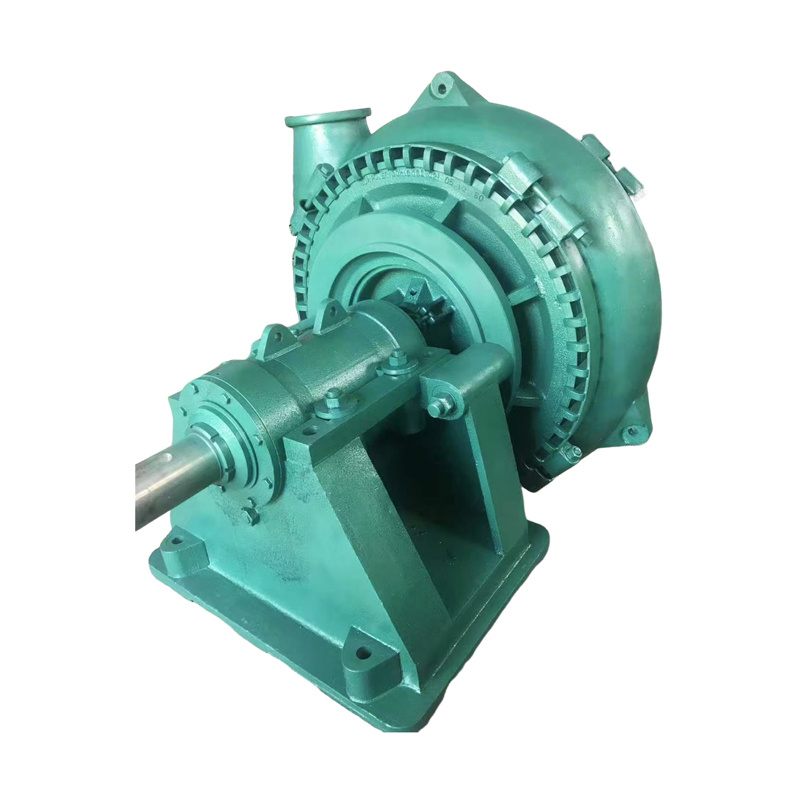
The Future of Gravel Pumps: Trends and Innovations to Watch
In the fast-evolving world of industrial machinery, **gravel pumps** are becoming increasingly significant. These specialized pumps, designed for the transportation of gravel, sand, and other coarse materials, are witnessing transformative changes fueled by technological advancements and innovative design strategies. This article delves into the future trends and innovations in gravel pumps, providing insights that industry professionals need to stay ahead.
Table of Contents
- 1. Understanding Gravel Pumps: An Overview of Their Functionality
- 2. Current Trends in Gravel Pump Technology
- 3. Innovations in Gravel Pump Design
- 4. Environmental Considerations in Gravel Pump Production
- 5. The Role of Automation and Smart Technologies
- 6. Key Players in the Gravel Pump Market
- 7. Future Market Predictions for Gravel Pumps
- 8. Frequently Asked Questions (FAQs)
1. Understanding Gravel Pumps: An Overview of Their Functionality
Gravel pumps are critical in industries such as mining, construction, and dredging. These pumps are specifically designed to handle **highly abrasive materials**, which can cause wear and tear on standard pumps. Understanding their functionality is essential for industry players aiming to optimize their operations.
Gravel pumps operate using various mechanisms, including centrifugal and positive displacement methods. The choice of pump type significantly influences efficiency, maintenance needs, and operational costs. In addition, advancements in materials and engineering design are enhancing the durability and performance of these pumps.
2. Current Trends in Gravel Pump Technology
The gravel pump industry is witnessing several significant trends. These trends are driven by the need for efficiency, sustainability, and adaptability to various applications.
2.1 Enhanced Efficiency and Performance
Manufacturers are focusing on improving the **efficiency** of gravel pumps to reduce operational costs. This includes optimizing impeller designs and pump configurations to achieve better flow rates and reduced energy consumption.
2.2 Customization and Modularity
The demand for customized solutions is on the rise. Businesses are increasingly looking for modular pumping systems that can be tailored to specific project requirements. This flexibility allows for easier upgrades and maintenance.
3. Innovations in Gravel Pump Design
Innovative design is at the forefront of the gravel pump industry's evolution. Engineers are developing new materials and designs that improve performance and reduce maintenance needs.
3.1 Use of Advanced Materials
The introduction of advanced materials such as **polyurethane** and **ceramic** coatings is revolutionizing the gravel pump sector. These materials provide enhanced wear resistance, extending the lifespan of pumps and reducing downtime due to repairs.
3.2 Integrated Monitoring Systems
Modern gravel pumps now often include integrated monitoring systems. These systems allow operators to track the pump's performance in real-time, providing data that can help in predictive maintenance and performance optimization.
4. Environmental Considerations in Gravel Pump Production
As global awareness of environmental issues increases, the gravel pump industry is also adapting. Manufacturers are now focusing on sustainable practices in their production processes.
4.1 Reducing Carbon Footprint
A significant trend is the reduction of the carbon footprint during the manufacturing of gravel pumps. This includes using energy-efficient production techniques and sourcing materials from sustainable suppliers.
4.2 Recycling and Reusability
Many companies are investing in **recycling programs** for end-of-life gravel pumps. By reusing materials and components, manufacturers can contribute to a circular economy while lowering production costs.
5. The Role of Automation and Smart Technologies
The integration of automation and smart technologies is transforming the way gravel pumps operate. These advancements enhance efficiency and safety in various applications.
5.1 Automation in Operations
Automated systems can optimize the operation of gravel pumps, adjusting flow rates and pressure in real-time to match operational demands. This leads to increased safety and reduced risk of equipment failures.
5.2 Data Analytics and IoT Integration
The Internet of Things (IoT) is enabling data-driven decision-making in the gravel pump sector. With real-time data collection and analysis, operators can make informed choices that enhance operational efficiency and longevity of equipment.
6. Key Players in the Gravel Pump Market
Identifying the key players in the gravel pump market is essential for understanding competitive dynamics. Leading manufacturers are continuously innovating to maintain their market positions.
Some notable companies include:
6.1 Xylem Inc.
A leader in water technology, Xylem provides a range of gravel pumps designed for various industrial applications.
6.2 Weir Group
Weir Group specializes in engineering solutions, offering robust gravel pumps with a focus on durability and performance.
6.3 Schurco Slurry
Known for custom solutions, Schurco Slurry provides gravel pumps that cater to specific industrial needs, emphasizing efficiency.
7. Future Market Predictions for Gravel Pumps
The future of the gravel pump market appears promising, with a steady growth trajectory. Market analysts predict that as industries evolve, the demand for advanced gravel pump solutions will increase.
7.1 Growth Drivers
Key growth drivers include:
- **Infrastructure Development**: The ongoing global infrastructure projects will boost the demand for gravel pumps.
- **Mining Expansion**: The continuous expansion of mining activities will necessitate more efficient gravel pumping solutions.
- **Environmental Regulations**: Stricter regulations on waste management will create opportunities for more efficient gravel pump technologies.
7.2 Challenges Ahead
However, challenges such as fluctuating raw material prices and the need for continual innovation may pose hurdles that manufacturers must navigate.
8. Frequently Asked Questions (FAQs)
8.1 What are gravel pumps used for?
Gravel pumps are primarily used for transporting gravel, sand, and other coarse materials in various industrial applications, including construction and mining.
8.2 How do gravel pumps differ from other pumps?
Gravel pumps are specifically designed to handle abrasive materials, whereas standard pumps may not withstand the wear and tear associated with such substances.
8.3 What is the average lifespan of a gravel pump?
The lifespan of a gravel pump can vary significantly depending on usage and maintenance but generally ranges from 5 to 10 years.
8.4 Can gravel pumps be automated?
Yes, many modern gravel pumps come with automation features that allow for real-time adjustments to flow rates and pressure, enhancing operational efficiency.
8.5 What are some advancements in gravel pump technology?
Recent advancements include the use of advanced materials, integrated monitoring systems, and the incorporation of IoT technologies for better data analytics.
Conclusion
The future of gravel pumps is bright, with innovations and trends poised to reshape the industry. By embracing new technologies, sustainable practices, and customization, manufacturers are not only enhancing their offerings but also contributing to a more efficient industrial landscape. As the demand for gravel pumps continues to grow, staying informed about these trends will be crucial for businesses aiming to stay competitive in the market. The evolution of gravel pumps not only reflects technological progress but also sets the stage for a more sustainable and efficient industrial future.
Contact Us
E-mail :
liu@cnpumpmade.com
WhatsApp:
+8615028256698
Address:
Nanyang Industrial Park, Shifo Town, Anguo City, Hebei Province, China


Leave Your Message