To provide high-quality Water pump products for global customers.


Understanding Multistage Pumps: Key Features and Applications in Industrial Settings
Sep 24,2025
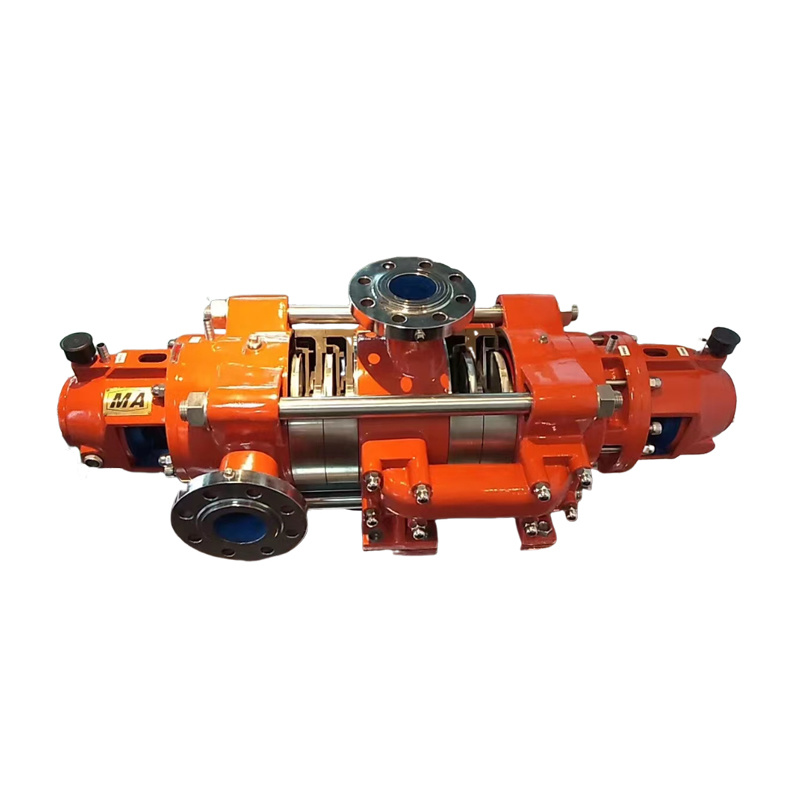
Multistage pumps are a crucial component in various industrial applications, known for their ability to deliver high pressure and flow rates efficiently. Unlike single-stage pumps, multistage pumps consist of multiple impellers arranged in series, allowing them to generate higher pressures while maintaining a compact design. This configuration makes them ideal for applications requiring the transportation of fluids over long distances or against significant pressure differentials.
One of the defining features of multistage pumps is their versatile design. They can handle a variety of fluids, from clean water to more viscous or corrosive liquids, depending on the materials used in their construction. Additionally, the ability to customize the number of stages allows for precise control over the pressure and flow rate, making these pumps suitable for a diverse range of industries, including chemical processing, oil and gas, and water treatment.
In terms of efficiency, multistage pumps can significantly reduce energy consumption compared to other pumping solutions. By optimizing the number of stages and the design of impellers, these pumps can achieve higher efficiencies, leading to lower operational costs and a reduced carbon footprint. It is essential, however, to select the appropriate design and materials to match the specific application requirements, as this will maximize efficiency and prolong the pump's lifespan.
Maintenance is another critical aspect of multistage pumps. Regular inspections and servicing are necessary to prevent issues such as cavitation, which can occur if the pump operates below its required NPSH (Net Positive Suction Head). Implementing a preventive maintenance schedule can help identify potential problems early, ensuring reliable operation and minimizing downtime.
Furthermore, multistage pumps are often integrated with advanced monitoring systems that provide real-time data on performance metrics. These systems can enhance operational efficiency by allowing for proactive adjustments to be made based on fluctuating system demands. For industries where uptime is critical, the ability to monitor and adjust pump performance dynamically is invaluable.
In conclusion, multistage pumps are an essential asset in the industrial sector, delivering high efficiency and adaptability across various applications. Understanding their design, operational principles, and maintenance requirements can help professionals choose the right pump for their needs, ultimately enhancing productivity and performance in their operations. Whether you are involved in fluid transport, processing, or treatment, leveraging the capabilities of multistage pumps can lead to considerable benefits in your industrial processes.
One of the defining features of multistage pumps is their versatile design. They can handle a variety of fluids, from clean water to more viscous or corrosive liquids, depending on the materials used in their construction. Additionally, the ability to customize the number of stages allows for precise control over the pressure and flow rate, making these pumps suitable for a diverse range of industries, including chemical processing, oil and gas, and water treatment.
In terms of efficiency, multistage pumps can significantly reduce energy consumption compared to other pumping solutions. By optimizing the number of stages and the design of impellers, these pumps can achieve higher efficiencies, leading to lower operational costs and a reduced carbon footprint. It is essential, however, to select the appropriate design and materials to match the specific application requirements, as this will maximize efficiency and prolong the pump's lifespan.
Maintenance is another critical aspect of multistage pumps. Regular inspections and servicing are necessary to prevent issues such as cavitation, which can occur if the pump operates below its required NPSH (Net Positive Suction Head). Implementing a preventive maintenance schedule can help identify potential problems early, ensuring reliable operation and minimizing downtime.
Furthermore, multistage pumps are often integrated with advanced monitoring systems that provide real-time data on performance metrics. These systems can enhance operational efficiency by allowing for proactive adjustments to be made based on fluctuating system demands. For industries where uptime is critical, the ability to monitor and adjust pump performance dynamically is invaluable.
In conclusion, multistage pumps are an essential asset in the industrial sector, delivering high efficiency and adaptability across various applications. Understanding their design, operational principles, and maintenance requirements can help professionals choose the right pump for their needs, ultimately enhancing productivity and performance in their operations. Whether you are involved in fluid transport, processing, or treatment, leveraging the capabilities of multistage pumps can lead to considerable benefits in your industrial processes.
Contact Us
E-mail :
liu@cnpumpmade.com
WhatsApp:
+8615028256698
Address:
Nanyang Industrial Park, Shifo Town, Anguo City, Hebei Province, China


Leave Your Message