To provide high-quality Water pump products for global customers.


Choosing Between Electric and Diesel Gravel Pumps: A Comprehensive Guide
Sep 27,2025
Choosing Between Electric and Diesel Gravel Pumps: A Comprehensive Guide
Introduction: Understanding Gravel Pumps and Their Applications
In the realm of **industrial equipment**, particularly within construction and mining sectors, gravel pumps play a crucial role. These pumps are specifically designed to handle the transportation of gravel, sand, and other materials mixed with water. When it comes to gravel pumps, two primary types emerge as the most popular: electric and diesel. Each type has its own unique set of benefits and considerations, making the decision process an essential one. In this guide, we aim to provide a detailed analysis to help you choose the right gravel pump for your needs.
What Are Gravel Pumps?
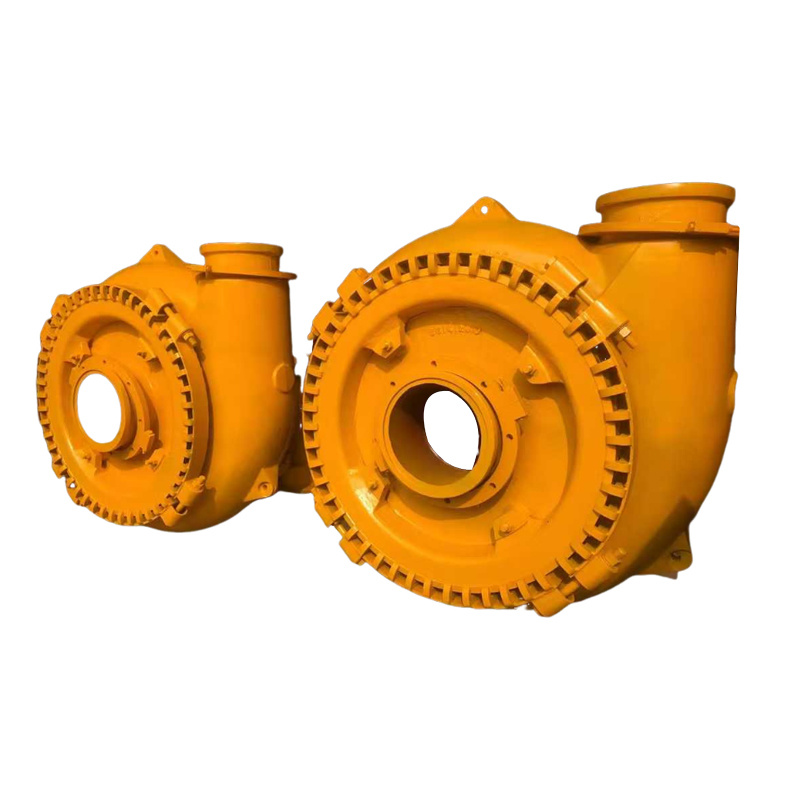
Gravel pumps are heavy-duty pumps used for moving abrasive materials such as gravel, sand, and slurry. They are engineered to handle high flow rates and the wear and tear that comes from pumping these materials. The two predominant types of gravel pumps—**electric gravel pumps** and **diesel gravel pumps**—differ significantly in operation, power sources, and suitability for different applications.
Electric Gravel Pumps: Advantages and Disadvantages
Advantages of Electric Gravel Pumps
Electric gravel pumps are powered by electricity, making them an efficient choice for many operations. Here are some key benefits:
- Energy Efficiency: Electric pumps are generally more energy-efficient compared to diesel pumps, leading to lower operational costs in the long run.
- Lower Emissions: They produce minimal emissions, making them more environmentally friendly and compliant with regulations.
- Quiet Operation: Electric pumps operate quietly, which is beneficial in residential or noise-sensitive areas.
- Low Maintenance: With fewer moving parts and no need for fuel-related maintenance, electric pumps often require less upkeep.
Disadvantages of Electric Gravel Pumps
Despite their advantages, electric gravel pumps do have drawbacks:
- Dependency on Power Supply: Electric pumps require a constant power source, limiting their use in remote areas or during power outages.
- Higher Initial Costs: The initial investment for electric gravel pumps can be higher, particularly if electrical infrastructure needs to be established.
Diesel Gravel Pumps: Advantages and Disadvantages
Advantages of Diesel Gravel Pumps
Diesel gravel pumps are powered by diesel engines, providing specific advantages that make them appealing for certain applications:
- Portability: Diesel pumps are often more portable and can be used in locations without electrical infrastructure.
- High Power Output: Diesel engines typically offer a higher power output, making them suitable for demanding tasks requiring significant force.
- Operating in Remote Locations: They can run independently of power grids, making them ideal for remote job sites.
Disadvantages of Diesel Gravel Pumps
However, diesel pumps are not without their downsides:
- Higher Emissions: They produce more emissions compared to electric pumps, raising environmental concerns and compliance issues.
- Fuel Costs: Operating costs can be higher due to fluctuating fuel prices and the need for regular refueling.
- Noise Pollution: Diesel pumps are generally louder, which can be a disadvantage in noise-sensitive environments.
Key Factors to Consider When Choosing Between Electric and Diesel Gravel Pumps
When making your choice between electric and diesel gravel pumps, several critical factors must be considered:
1. Application Requirements
Understanding the specific needs of your project is vital. Consider factors such as the type of materials you'll be pumping, the distance of the pump from the power source, and the location's accessibility.
2. Environmental Considerations
If you are working in a sensitive environmental area, electric pumps may be a better choice due to their lower emissions. Conversely, if the project requires mobility and operates in remote locations, diesel pumps may offer better flexibility.
3. Budget and Long-Term Costs
Evaluate your budget for both initial investments and long-term operational costs. While electric pumps may have a higher upfront cost, their energy efficiency could lead to savings over time.
4. Maintenance Requirements
Assess the availability of maintenance services for both types of pumps. Electric pumps may require less frequent servicing, while diesel pumps will need regular fuel and oil checks.
5. Noise Levels
Consider the noise levels associated with each pump type. In residential or sensitive areas, electric pumps could be more suitable due to their quieter operation.
6. Mobility and Portability
Evaluate how portable you need your pump to be. Diesel pumps often offer greater mobility, while electric pumps may be restricted by cord lengths or power availability.
Comparative Analysis: Electric vs. Diesel Gravel Pumps
In this section, we will compare electric and diesel gravel pumps across multiple dimensions, helping you visualize the differences clearly.
Power Source
Electric pumps rely on an external power supply, making them efficient for fixed applications. Diesel pumps, powered by fuel, provide independence from electricity but incur ongoing fuel costs.
Cost of Operation
Electric pumps are generally cheaper to operate due to their energy efficiency. Diesel pumps may incur higher operational costs due to fuel prices.
Impact on Environment
Electric pumps are considered more environmentally friendly due to lower emissions. Diesel pumps, while powerful, contribute more to air pollution.
Maintenance Overheads
Electric pumps can be less expensive to maintain in the long run. Diesel pumps usually come with higher maintenance costs due to more complex engine requirements.
Applications of Electric and Diesel Gravel Pumps
Both electric and diesel gravel pumps find applications across various industries. Here’s a closer look at where each type shines:
Electric Gravel Pumps
- Construction Sites: Ideal for urban projects where noise and emissions are a concern.
- Mining Operations: Useful for stable sites with access to a reliable power supply.
- Water Treatment Facilities: Efficient for pumping slurries in controlled environments.
Diesel Gravel Pumps
- Remote Construction Projects: Essential for areas lacking electrical infrastructure.
- Mining Sector: Effective for heavy-duty applications needing high power output.
- Emergency Response: Quickly deployed in situations where immediate pumping is necessary.
Maintenance Tips for Electric and Diesel Gravel Pumps
Proper maintenance is crucial for ensuring the longevity and efficiency of your gravel pump. Here are some maintenance tips for both types:
Electric Gravel Pumps Maintenance
- Regularly check electrical connections for wear and damage.
- Inspect and clean filters to ensure optimal performance.
- Monitor performance metrics to catch potential issues early.
Diesel Gravel Pumps Maintenance
- Conduct regular oil changes as per the manufacturer’s guidelines.
- Keep the fuel system clean and check for leaks.
- Inspect the exhaust system for blockages and emissions compliance.
FAQs: Frequently Asked Questions
1. What is the primary difference between electric and diesel gravel pumps?
The primary difference lies in their power source—electric pumps use electricity, while diesel pumps are powered by fuel. This affects their operation, efficiency, and suitability for various applications.
2. Which type of pump is more environmentally friendly?
Electric gravel pumps are generally more environmentally friendly due to lower emissions and less noise pollution compared to diesel pumps.
3. Can electric gravel pumps work in remote locations?
Electric pumps rely on a power source, making them less suitable for remote locations without electricity. Diesel pumps are typically more favorable in such scenarios.
4. How can I determine the right pump for my project?
Evaluate your project’s requirements, budget, environmental considerations, and maintenance capabilities to make an informed choice between electric and diesel gravel pumps.
5. What type of gravel pump requires more maintenance?
Diesel gravel pumps often require more maintenance due to the complexity of their engines and the need for regular fuel checks, while electric pumps typically need less frequent servicing.
Conclusion: Making the Right Choice for Your Gravel Pump Needs
Choosing between electric and diesel gravel pumps requires careful consideration of several factors, including application requirements, environmental impact, operational costs, and maintenance needs. By evaluating these aspects thoroughly, you can select the pump that best suits your project's unique demands. Whether you opt for the energy efficiency and lower emissions of electric pumps or the portability and power of diesel pumps, making an informed choice will ensure the success of your operations.
Contact Us
E-mail :
liu@cnpumpmade.com
WhatsApp:
+8615028256698
Address:
Nanyang Industrial Park, Shifo Town, Anguo City, Hebei Province, China


Leave Your Message