To provide high-quality Water pump products for global customers.


The Critical Importance of Submersible Slurry Pumps in Oil and Gas Extraction
Sep 21,2025
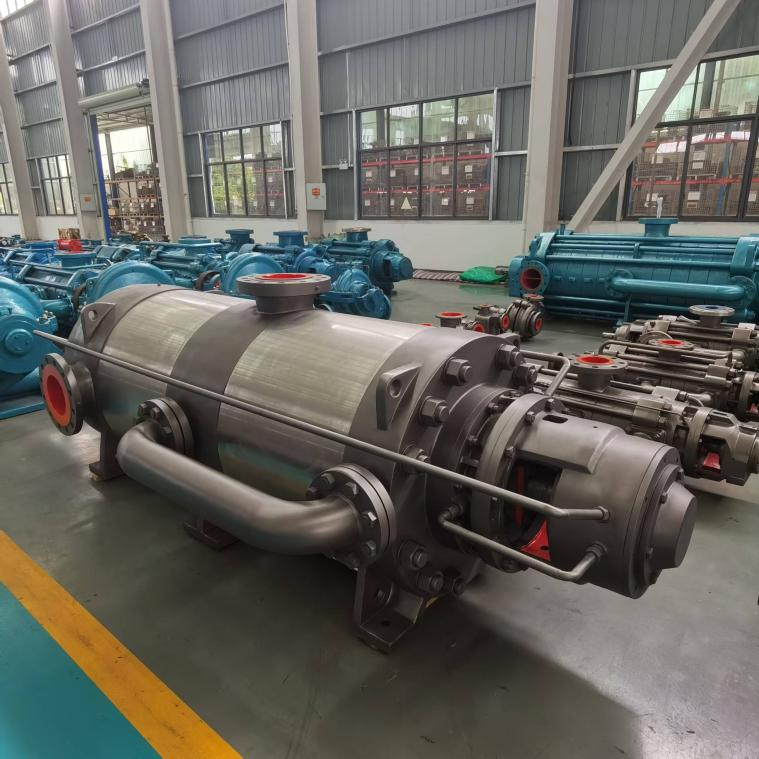
The Critical Importance of Submersible Slurry Pumps in Oil and Gas Extraction
Table of Contents
- Introduction to Submersible Slurry Pumps
- Understanding the Functionality of Submersible Slurry Pumps
- Key Applications in Oil and Gas Extraction
- Advantages of Using Submersible Slurry Pumps
- Choosing the Right Submersible Slurry Pump
- Maintenance Best Practices
- Future Trends in Slurry Pump Technology
- FAQs about Submersible Slurry Pumps
- Conclusion
Introduction to Submersible Slurry Pumps
Submersible slurry pumps are specifically designed to handle heavy, abrasive slurries that are often found in oil and gas extraction processes. Their unique design enables them to operate underwater, making them ideal for transporting thick mixtures of liquids and solids. These pumps play a crucial role in enhancing efficiency and productivity in challenging extraction environments.
Understanding the Functionality of Submersible Slurry Pumps
Submersible slurry pumps operate by submerging an impeller in the slurry, which allows them to efficiently move mixtures from one location to another. The impeller's design is critical, as it must withstand the abrasive nature of the materials it pumps. In most cases, these pumps utilize a centrifugal mechanism that generates the necessary pressure to lift the slurry.
Components of Submersible Slurry Pumps
The primary components of submersible slurry pumps include:
- Impeller:
- The impeller is responsible for creating the flow of the slurry. It is typically made from durable materials to resist wear and tear from abrasive materials.
- Motor:
- The motor powers the impeller and is often designed to work efficiently even when submerged underwater.
- Volute:
- The volute is the casing that directs the pumped slurry towards the discharge outlet. Its design can affect the pump's efficiency.
- Suction Strainer:
- This component filters out larger solids to protect the pump from damage.
Key Applications in Oil and Gas Extraction
Submersible slurry pumps have become integral in various applications within the oil and gas industry:
1. Drilling Operations
During drilling operations, these pumps are utilized to manage the removal of drilling mud and cuttings. This is crucial for maintaining efficient drilling performance.
2. Well Testing
Well testing involves the extraction of fluids from a well to evaluate its production capacity. Submersible slurry pumps help in efficiently managing the transportation of fluids during this critical testing phase.
3. Produced Water Handling
Produced water, which is a byproduct of oil and gas extraction, often contains solid particles and hydrocarbons. Submersible slurry pumps are effective in transporting this complex mixture for further treatment and disposal.
4. Mining Operations
In mining applications related to oil and gas, slurry pumps help transport mineral slurries, enhancing the efficiency of extraction processes.
Advantages of Using Submersible Slurry Pumps
Utilizing submersible slurry pumps in oil and gas extraction offers several advantages:
1. Enhanced Efficiency
These pumps are designed to handle thick slurries effectively, ensuring that the flow remains consistent and efficient, which is crucial for maintaining production rates.
2. Reduced Maintenance Costs
The robust design and durable materials used in submersible slurry pumps reduce wear and tear, ultimately leading to lower maintenance costs and downtime.
3. Versatility
Submersible slurry pumps can be used in a range of applications, making them a versatile choice for different extraction needs. Their ability to adapt to various conditions enhances their utility in the industry.
4. Safety Improvements
Submersible pumps eliminate the need for external pumping systems, reducing the risk of spills and environmental contamination, thus improving operational safety.
Choosing the Right Submersible Slurry Pump
When selecting a submersible slurry pump for oil and gas extraction, several factors should be taken into consideration:
1. Slurry Characteristics
Understanding the nature of the slurry, including its viscosity, density, and particle size, is vital to select a pump that can handle the specific challenges posed by the material being transported.
2. Pump Size
The pump size should correspond to the volume of slurry that needs to be moved, ensuring efficient performance without overworking the motor.
3. Material Selection
Choosing the right materials for construction is essential for durability. Pumps should be built from corrosion-resistant materials to withstand harsh conditions.
4. Power Source
Consideration of the available power source is crucial. Electric submersible pumps are common, but hydraulic options may be preferable in remote locations without electrical access.
Maintenance Best Practices
Regular maintenance of submersible slurry pumps is essential for optimum performance and longevity. Here are some best practices to consider:
1. Regular Inspections
Routine inspections should be conducted to check for any signs of wear or damage. Early detection of issues can prevent costly breakdowns.
2. Clean the Pump
Cleaning the pump regularly helps to prevent blockages and ensures that the impeller functions efficiently. Removing debris and sediment build-up is critical for maintaining performance.
3. Lubrication
Proper lubrication of moving parts is essential to reduce friction and wear. Following manufacturer guidelines for lubrication intervals is recommended.
4. Monitoring Performance
Keeping track of the pump's performance metrics can help identify potential issues before they escalate. Monitoring flow rates and pressure can reveal changes that may indicate maintenance needs.
Future Trends in Slurry Pump Technology
The future of submersible slurry pumps in the oil and gas sector is promising, with several trends on the horizon:
1. Automation
Increasing automation in oil and gas operations is expected to enhance the efficiency of submersible slurry pumps, allowing for remote monitoring and control.
2. Enhanced Materials
Research and development into advanced materials will likely lead to more durable pumps that can better withstand harsh conditions and abrasive materials.
3. Energy Efficiency
Future designs are focusing on energy-efficient technologies, reducing the environmental impact of operations while lowering operational costs.
4. Smart Technology Integration
Integrating smart technology, such as IoT sensors, will enable real-time data collection and analysis, providing insights into performance and preemptive maintenance needs.
FAQs about Submersible Slurry Pumps
1. What is a submersible slurry pump?
Submersible slurry pumps are specialized pumps designed to operate underwater, efficiently transporting thick, abrasive mixtures of liquids and solids in various applications, including oil and gas extraction.
2. How do submersible slurry pumps work?
These pumps work by submerging an impeller in the slurry, using a centrifugal mechanism to create the necessary pressure to move the mixture effectively.
3. What are the main advantages of using submersible slurry pumps in oil and gas extraction?
The main advantages include enhanced efficiency, reduced maintenance costs, versatility for different applications, and improved safety by minimizing the risk of spills.
4. How do I choose the right submersible slurry pump?
Consider factors such as slurry characteristics, pump size, material selection, and available power sources to select the most suitable pump for your needs.
5. What maintenance practices should I follow for submersible slurry pumps?
Regular inspections, cleaning, lubrication, and performance monitoring are essential maintenance practices to ensure optimal functioning and longevity of the pumps.
Conclusion
Submersible slurry pumps play a vital role in the oil and gas extraction industry, providing efficient solutions for handling thick, abrasive materials. Their unique design, coupled with ongoing technological advancements, ensures that they will continue to be indispensable tools for enhancing operational efficiency and reducing costs. By understanding their functionality, selecting the right model, and adhering to maintenance best practices, companies can optimize their extraction processes and contribute to a more sustainable future in energy production.
Contact Us
E-mail :
liu@cnpumpmade.com
WhatsApp:
+8615028256698
Address:
Nanyang Industrial Park, Shifo Town, Anguo City, Hebei Province, China


Leave Your Message