To provide high-quality Water pump products for global customers.


Understanding the Importance and Functionality of Multistage Pumps in Industrial Applications
May 15,2025
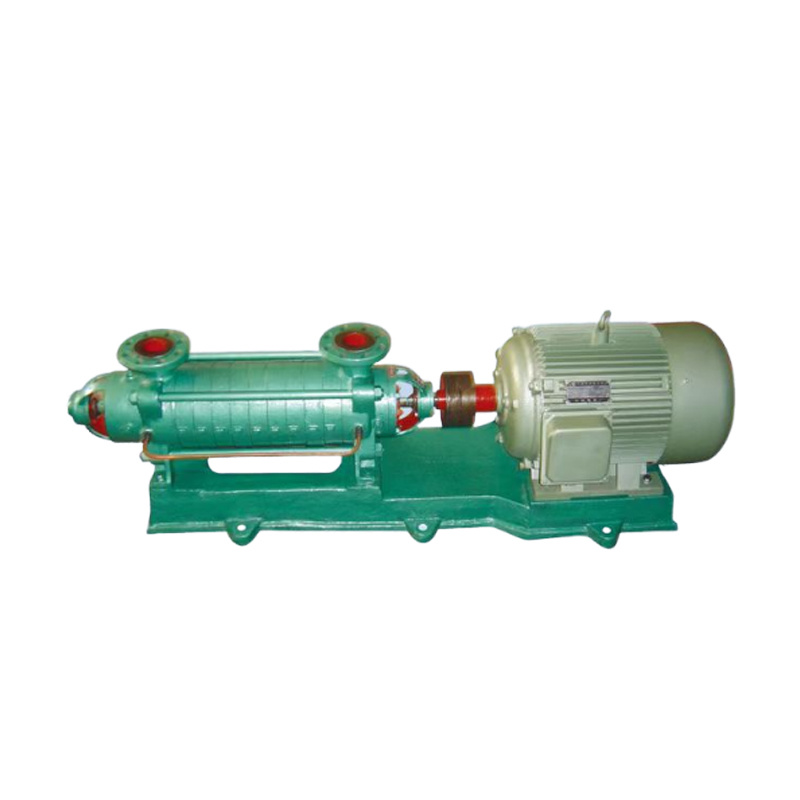
Multistage pumps are essential devices in various industrial applications, particularly in scenarios requiring high pressure and flow rates. Unlike single-stage pumps, which rely on one impeller to generate pressure, multistage pumps utilize multiple impellers arranged in series. This design allows for the efficient handling of fluids across extensive vertical distances and high-pressure requirements.
One of the primary advantages of multistage pumps is their ability to achieve higher pressures without significantly increasing the size or power requirements of the pump. This feature is particularly beneficial in applications such as water distribution systems, boiler feedwater, and chemical processing, where pressure is a critical factor. By employing several impellers, these pumps can incrementally boost the fluid's pressure, making them suitable for a wide range of industrial operations.
Moreover, multistage pumps are known for their versatility. They can handle various types of fluids, including clean water, chemicals, and even slurries, depending on their construction materials and design. This adaptability makes them invaluable across different industries, including agriculture, oil and gas, and manufacturing. In applications where fluid characteristics vary significantly, multistage pumps can be tailored to meet specific operational needs.
In terms of efficiency, multistage pumps are designed to operate at optimal performance levels, reducing energy consumption and operational costs. Their ability to maintain consistent flow rates under varying pressure conditions ensures that processes run smoothly, which is crucial for production schedules and overall operational efficiency. Additionally, many modern multistage pumps come equipped with advanced monitoring systems that provide real-time data on performance and maintenance needs, allowing for proactive management and reduced downtime.
It's also important to consider the maintenance of multistage pumps. Regular inspection and service are vital to ensure reliability and longevity. Key components such as bearings, seals, and impellers must be checked periodically to avoid breakdowns. Understanding the specific requirements of a multistage pump can help in developing an effective maintenance plan that maximizes its lifespan and operational efficiency.
In conclusion, multistage pumps are a cornerstone of many industrial applications, providing high pressure and efficient fluid transport across diverse sectors. Their multifunctionality, efficiency, and adaptability make them an indispensable tool for professionals in the industrial equipment and components field. By understanding the key aspects of multistage pumps, one can better appreciate their role in enhancing productivity and operational success in various industries.
Contact Us
E-mail :
liu@cnpumpmade.com
WhatsApp:
+8615028256698
Address:
Nanyang Industrial Park, Shifo Town, Anguo City, Hebei Province, China


Leave Your Message