To provide high-quality Water pump products for global customers.


Exploring the Versatility of Gravel Pumps Across Diverse Industries
May 16,2025
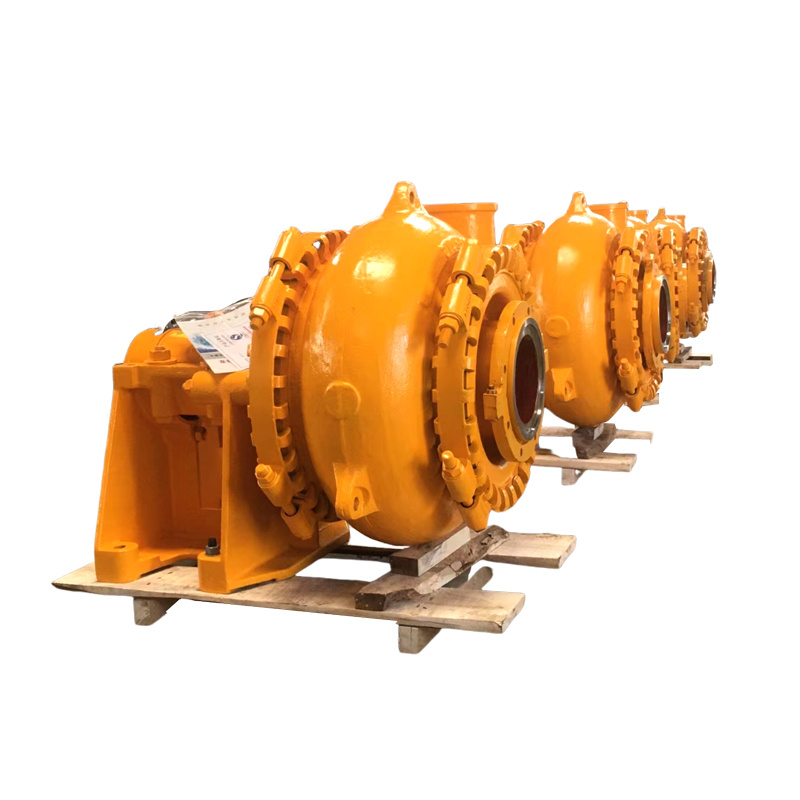
Exploring the Versatility of Gravel Pumps Across Diverse Industries
Table of Contents
- What Are Gravel Pumps?
- Applications of Gravel Pumps in Various Industries
- Advantages of Using Gravel Pumps
- How Do Gravel Pumps Work?
- Choosing the Right Gravel Pump for Your Needs
- Maintenance and Care for Gravel Pumps
- The Future of Gravel Pumps in Industrial Applications
- Frequently Asked Questions
What Are Gravel Pumps?
Gravel pumps, also known as slurry pumps or dredge pumps, are specialized machines designed to handle abrasive, viscous, or high-density materials such as gravel, sand, and silt. These pumps are essential in transporting heavy and coarse materials over varying distances and are commonly used in several industries, including construction, mining, and agricultural sectors. Their ability to efficiently move mixtures of solids and liquids makes them invaluable for numerous applications.
Applications of Gravel Pumps in Various Industries
1. Construction Industry
In the construction sector, gravel pumps are crucial for transporting aggregate materials. They are often used in concrete production and for filling foundations. The ability to pump gravel directly from a source to a mixer saves time and labor costs. Additionally, gravel pumps can manage water content, ensuring optimal mix consistency.
2. Mining Operations
Gravel pumps play a pivotal role in mining operations, particularly in dredging and mineral processing. They are employed to remove sediment from riverbeds and transport ore slurry to processing facilities. Their robust design allows them to handle abrasive materials, ensuring longevity and reducing the need for frequent replacements.
3. Agriculture and Irrigation
In agriculture, gravel pumps are used for irrigation purposes. They help in transferring water mixed with soil or sediment from one location to another. By facilitating efficient water management, these pumps contribute significantly to crop yield and sustainability.
4. Environmental Remediation
Gravel pumps assist in environmental cleanup efforts by removing contaminated sediments and sludge from waterways. Their effectiveness in handling thick mixtures makes them ideal for remediation projects, ensuring ecosystems can be restored safely and efficiently.
Advantages of Using Gravel Pumps
1. High Efficiency
Gravel pumps are designed for high performance, allowing for quick transportation of dense materials without clogging. Their efficiency minimizes downtime and maximizes productivity, making them a valuable investment for any operation.
2. Versatility
These pumps can handle a variety of materials beyond gravel, including sand, sludge, and even some types of chemicals. Their adaptability makes them suitable for multiple applications across different industries.
3. Durability
Built to withstand harsh operating conditions, gravel pumps are made from durable materials that resist wear and tear. This feature ensures they have a longer operational life, reducing maintenance costs and downtime.
4. Cost-Effective Solution
By enhancing operational efficiency and reducing the need for manual labor, gravel pumps provide a cost-effective solution for transporting heavy materials. Their long-term reliability leads to savings on replacement and repair costs.
How Do Gravel Pumps Work?
Gravel pumps operate using a centrifugal mechanism. They draw in materials through an inlet, where an impeller creates a high-speed rotational force. This force propels the mixture through the pump and out through the discharge. The design of gravel pumps allows them to handle high volumes of solids and liquids simultaneously, making them ideal for transporting heavy mixtures over long distances.
Components of Gravel Pumps
- Impeller: The heart of the pump, responsible for creating centrifugal force.
- Volute Casing: Directs the flow of the mixture to the discharge pipe.
- Wear Plates: Protect the internal components from abrasives, extending the pump's lifespan.
- Suction Hose: Facilitates the intake of slurry and gravel from the source.
Choosing the Right Gravel Pump for Your Needs
Selecting the appropriate gravel pump depends on several factors:
1. Material Type
Consider the type of materials you will be pumping. Some pumps are specifically designed for coarse materials, while others handle finer particles.
2. Flow Rate Requirements
Assess your operational needs in terms of flow rate. This will help determine the pump's capacity and size.
3. Distance and Elevation
Evaluate the distance the material needs to be transported and the elevation changes. Pumps may have different capabilities depending on these factors.
4. Maintenance and Support
Opt for pumps that come with reliable maintenance support and spare parts availability. This consideration can save you time and hassle in the long run.
Maintenance and Care for Gravel Pumps
Proper maintenance of gravel pumps is essential to ensure their longevity and performance. Here are some best practices:
1. Regular Inspections
Conduct regular inspections to check for signs of wear, leaks, or damage. Early detection can prevent significant issues down the line.
2. Cleaning
After each use, clean the pump thoroughly to remove any residual materials. This step minimizes the risk of clogging and wear.
3. Lubrication
Ensure all moving parts are adequately lubricated according to the manufacturer’s specifications. This practice reduces friction and enhances efficiency.
4. Replacement of Worn Parts
Replace wear plates, impellers, and other components as needed. Keeping these parts in good condition is crucial for maintaining pump performance.
The Future of Gravel Pumps in Industrial Applications
The future of gravel pumps lies in technological advancements that enhance efficiency and adaptability. Innovations such as automated systems and IoT connectivity will allow for real-time monitoring and management, leading to improved operational insights. As industries continue to evolve, gravel pumps will play an essential role in meeting the demands of productivity and sustainability.
Frequently Asked Questions
1. What are the main uses of gravel pumps?
Gravel pumps are primarily used for transporting gravel, sand, and slurry in industries such as construction, mining, and agriculture.
2. How do I know which gravel pump is right for my project?
Consider factors like material type, flow rate, distance, and maintenance support when selecting a gravel pump.
3. Can gravel pumps handle other materials besides gravel?
Yes, gravel pumps can handle a variety of materials, including sand, sludge, and some chemicals, depending on their design.
4. What maintenance is required for gravel pumps?
Regular inspections, cleaning, lubrication, and timely replacement of worn parts are essential for maintaining gravel pumps.
5. How can I improve the lifespan of my gravel pump?
By following a proper maintenance routine and using the pump within its designed specifications, you can significantly improve its lifespan.
Conclusion
Gravel pumps are a cornerstone in various industries, providing efficient solutions for transporting heavy materials. Their versatility, durability, and cost-effectiveness make them an indispensable tool for operations ranging from construction to environmental cleanup. By understanding their applications, advantages, and maintenance needs, businesses can enhance their operational efficiency and ensure the longevity of their equipment. As technology advances, the future of gravel pumps looks promising, positioning them at the forefront of industrial innovations.
Contact Us
E-mail :
liu@cnpumpmade.com
WhatsApp:
+8615028256698
Address:
Nanyang Industrial Park, Shifo Town, Anguo City, Hebei Province, China


Leave Your Message