To provide high-quality Water pump products for global customers.


How to Conduct a Gravel Pump Performance Evaluation: A Comprehensive Guide
Nov 18,2026
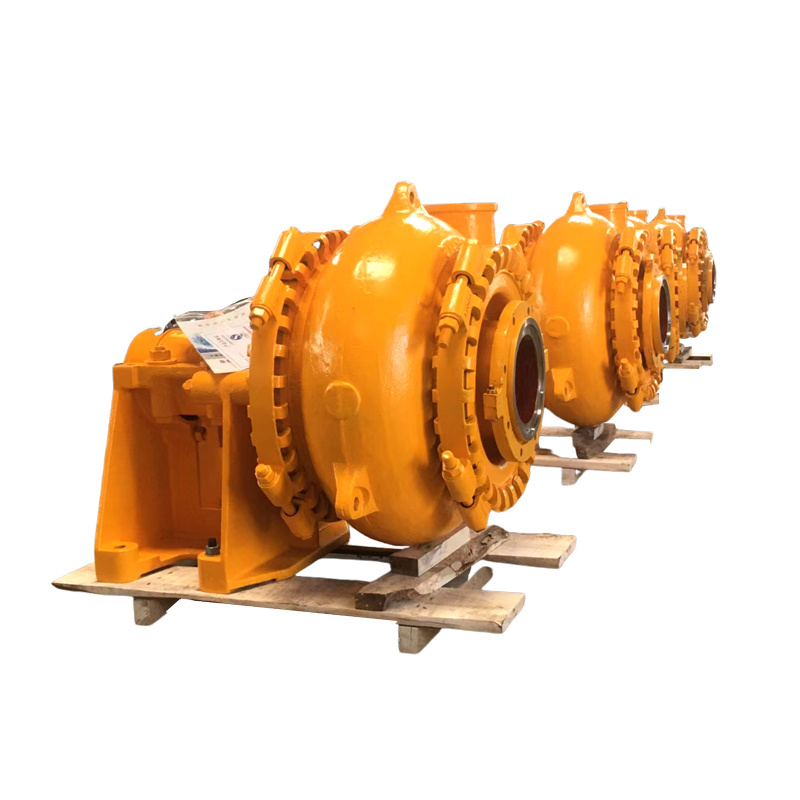
How to Conduct a Gravel Pump Performance Evaluation: A Comprehensive Guide
Table of Contents
1. Understanding Gravel Pumps
2. Key Components of Gravel Pumps
3. Importance of Performance Evaluation
4. Pre-Evaluation Setup
5. Performance Metrics to Measure
5.1 Flow Rate
5.2 Head Pressure
5.3 Efficiency
5.4 Wear Rate
6. Conducting the Performance Evaluation
7. Analyzing Results and Troubleshooting
8. Best Practices for Optimal Pump Performance
9. FAQs About Gravel Pump Performance Evaluation
10. Conclusion
1. Understanding Gravel Pumps
Gravel pumps are specialized centrifugal pumps designed for transporting highly abrasive materials such as gravel, sand, and slurry. These pumps play a crucial role in various industries, including mining, construction, and dredging. They are specifically engineered to handle thick and viscous materials that standard pumps find challenging.
By providing an efficient means of moving these materials, gravel pumps contribute significantly to improving operational efficiency and productivity. Therefore, understanding their functionality is essential for any evaluation.
2. Key Components of Gravel Pumps
A gravel pump consists of several critical components, each playing an essential role in its performance. The primary parts include:
- **Impeller**: This rotating component is responsible for imparting velocity to the slurry.
- **Volute Casing**: The volute collects the slurry from the impeller and converts kinetic energy into pressure.
- **Suction and Discharge Flanges**: These facilitate the entry and exit of the material being pumped.
- **Seals and Bearings**: These components ensure the smooth operation of the pump while preventing leaks.
Understanding these components will help in accurately assessing the pump's performance.
3. Importance of Performance Evaluation
Conducting a performance evaluation of gravel pumps is vital for several reasons:
- **Efficiency Optimization**: Evaluating performance helps identify areas for improving efficiency, which can lead to cost savings and increased productivity.
- **Preventative Maintenance**: Regular assessments can detect potential issues early, allowing for timely preventative maintenance and reducing downtime.
- **Compliance and Safety**: Performance evaluations ensure that pumps operate within regulatory standards, contributing to workplace safety.
The evaluation process not only enhances the pump's lifespan but also optimizes the overall operational framework.
4. Pre-Evaluation Setup
Before initiating a gravel pump performance evaluation, it is essential to prepare adequately to ensure accurate results. The following steps should be undertaken:
1. **Gather Necessary Equipment**: Obtain flow meters, pressure gauges, and other measuring instruments.
2. **Review Manufacturer Specifications**: Familiarize yourself with the pump's technical specifications, including flow rates, operational limits, and efficiency benchmarks.
3. **Prepare the Testing Environment**: Ensure the pump is installed correctly and that the testing environment is safe.
Proper pre-evaluation setup lays the groundwork for a precise performance assessment.
5. Performance Metrics to Measure
To conduct a comprehensive gravel pump performance evaluation, several key metrics should be measured:
5.1 Flow Rate
The flow rate indicates the volume of material a pump can transport over a specified period. It is typically measured in cubic meters per hour (m³/h). Accurate flow measurement is crucial for determining whether the pump meets operational requirements.
5.2 Head Pressure
Head pressure refers to the height of the column of fluid that the pump can lift. It is measured in meters and is critical for understanding the pump’s capability in overcoming friction losses and delivering the desired flow.
5.3 Efficiency
Efficiency is a measure of how well the pump converts input power into hydraulic energy. It is typically expressed as a percentage and calculated using the formula:
\[ Efficiency = \frac<(Hydraulic Power)><(Input Power)> \times 100 \]
High efficiency indicates that the pump is operating optimally, which translates to reduced energy costs.
5.4 Wear Rate
Given the abrasive nature of gravel, assessing the wear rate of critical components is important. Monitoring wear can help predict maintenance needs and prolong the life of the pump.
6. Conducting the Performance Evaluation
With the groundwork laid and metrics defined, it is time to conduct the performance evaluation. The following steps outline the process:
1. **Start the Pump**: Begin by starting the gravel pump and allowing it to reach its nominal operating conditions.
2. **Measure Flow Rate**: Use a flow meter to measure the flow rate at various intervals, noting any fluctuations.
3. **Gauge Head Pressure**: Install pressure gauges at the suction and discharge points to monitor head pressure.
4. **Record Operational Data**: Document all measurements and any observable performance characteristics, such as vibrations and noise levels.
5. **Assess Wear**: Examine the wear on components such as the impeller and casing, looking for signs of excessive wear or damage.
Following a systematic approach ensures comprehensive data collection for a meaningful evaluation.
7. Analyzing Results and Troubleshooting
Once the performance evaluation is complete, data analysis is crucial. Look for trends and discrepancies in the collected data. For example:
- If the flow rate is below expected levels, it may indicate blockages or wear in the impeller.
- A significant drop in head pressure could signal issues with seals or other critical components.
Identifying these issues allows for targeted troubleshooting, which can include adjusting pump parameters, repairing or replacing worn components, or optimizing operational settings.
8. Best Practices for Optimal Pump Performance
To ensure long-term efficiency and reliability of gravel pumps, consider the following best practices:
- **Regular Maintenance**: Schedule frequent inspections and maintenance to prevent unexpected failures.
- **Operator Training**: Train operators on proper pump operation techniques to minimize misuse and enhance performance.
- **Upgrade Components**: Consider modernizing components with advanced materials that can withstand abrasion more effectively.
- **Monitor Performance Continuously**: Use monitoring equipment to track pump performance in real-time, allowing for immediate responses to potential issues.
By adhering to these best practices, organizations can significantly enhance their gravel pump performance.
9. FAQs About Gravel Pump Performance Evaluation
What is the ideal flow rate for gravel pumps?
The ideal flow rate varies based on application needs but typically ranges from 100 to 400 m³/h for medium to large gravel pumps.
How often should gravel pump evaluations be conducted?
Performance evaluations should ideally be conducted every six months or whenever significant changes in operation occur.
What are the signs of excessive wear in gravel pumps?
Common signs include abnormal vibrations, reduced efficiency, unusual noise levels, or visible damage to the impeller and casing.
Can gravel pumps be used for materials other than gravel?
Yes, gravel pumps are versatile and can handle a variety of materials, including sand and slurry.
Are there specific tools required for evaluating gravel pumps?
Yes, essential tools include flow meters, pressure gauges, and data logging equipment to ensure accurate measurements.
10. Conclusion
Conducting a gravel pump performance evaluation is essential for ensuring optimal operation and longevity of the equipment. By understanding the fundamental components, measuring key performance metrics, and implementing best practices, organizations can enhance their gravel pump performance significantly. Regular evaluations not only improve efficiency but also contribute to safer and more reliable operations in various industrial applications. Investing time and resources into this process translates to substantial long-term gains in productivity and cost savings.
PREVIOUS:
Contact Us
E-mail :
liu@cnpumpmade.com
WhatsApp:
+8615028256698
Address:
Nanyang Industrial Park, Shifo Town, Anguo City, Hebei Province, China


Leave Your Message