To provide high-quality Water pump products for global customers.


Understanding Multistage Pumps: Key Features and Benefits for Industrial Applications
Nov 17,2026
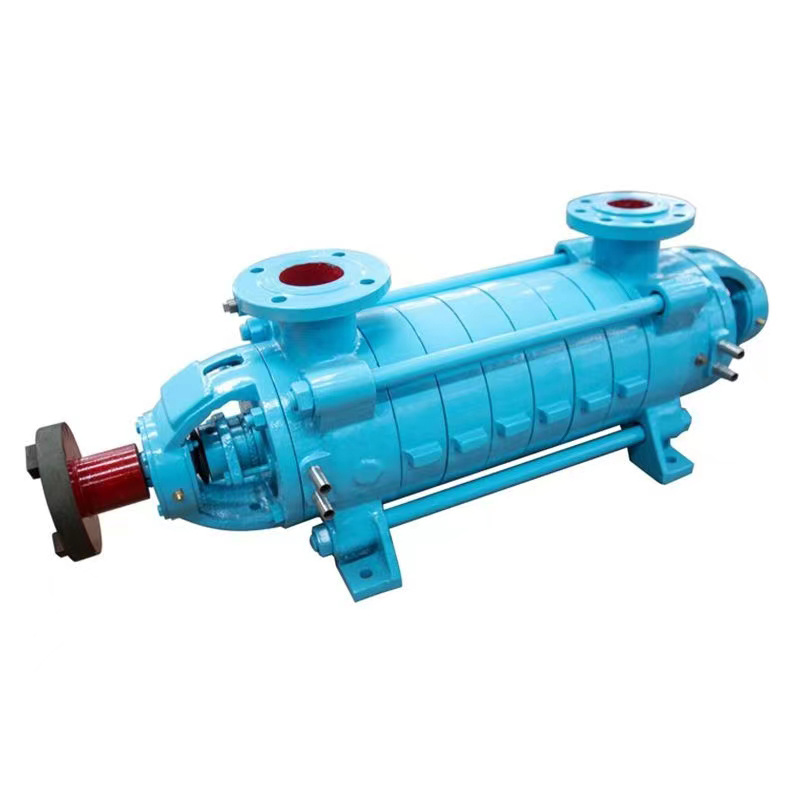
Multistage pumps are specialized pumps designed to handle a variety of fluid transfer applications in industrial settings. Unlike single-stage pumps, which utilize a single impeller to create pressure, multistage pumps incorporate multiple impellers arranged in series, which allows them to achieve higher pressures and flow rates. This unique design makes multistage pumps suitable for applications requiring significant elevation changes or long-distance fluid transport.
One of the primary advantages of multistage pumps is their ability to generate high pressure. By combining the energy produced by multiple impellers, these pumps can elevate fluids to considerable heights, making them ideal for applications in water supply systems, boiler feed, and even in mining operations where fluids must be transported over long distances or to elevated locations.
Another important characteristic of multistage pumps is their versatility. They can be configured to handle various fluids, including clean water, corrosive solutions, and even slurries. This adaptability ensures that they can be employed across different industries, from chemical processing to municipal water supply, expanding their utility in industrial environments.
Energy efficiency is another significant benefit of multistage pumps. The design allows for a more consistent flow rate and pressure control, reducing energy consumption compared to single-stage pumps. This efficiency not only lowers operational costs but also contributes to environmentally friendly practices by minimizing energy waste.
When considering multistage pumps, it’s essential to evaluate their components. Key elements include the impellers, diffusers, and volutes. The materials used in these components must be carefully selected based on the nature of the fluid being pumped. For instance, stainless steel is often used for its corrosion resistance, while other materials may be chosen for their ability to withstand high temperatures or abrasive conditions.
Maintenance and operation are critical factors in the longevity and performance of multistage pumps. Regular inspections and servicing can prevent potential failures and ensure optimal efficiency. Understanding the specific operating conditions and adhering to manufacturer guidelines can significantly extend the lifespan of these pumps.
In conclusion, multistage pumps are an integral part of many industrial processes, offering high pressure generation, versatility, and energy efficiency. Their ability to handle a variety of fluids and their efficient operation make them a valuable asset in any industrial setting. Thorough knowledge of their features and proper maintenance practices can significantly enhance their performance and reliability in fluid transfer applications.
PREVIOUS:
Contact Us
E-mail :
liu@cnpumpmade.com
WhatsApp:
+8615028256698
Address:
Nanyang Industrial Park, Shifo Town, Anguo City, Hebei Province, China


Leave Your Message