To provide high-quality Water pump products for global customers.


The Role of Gravel Pumps in Flood Management Systems: An In-Depth Analysis
Sep 18,2026
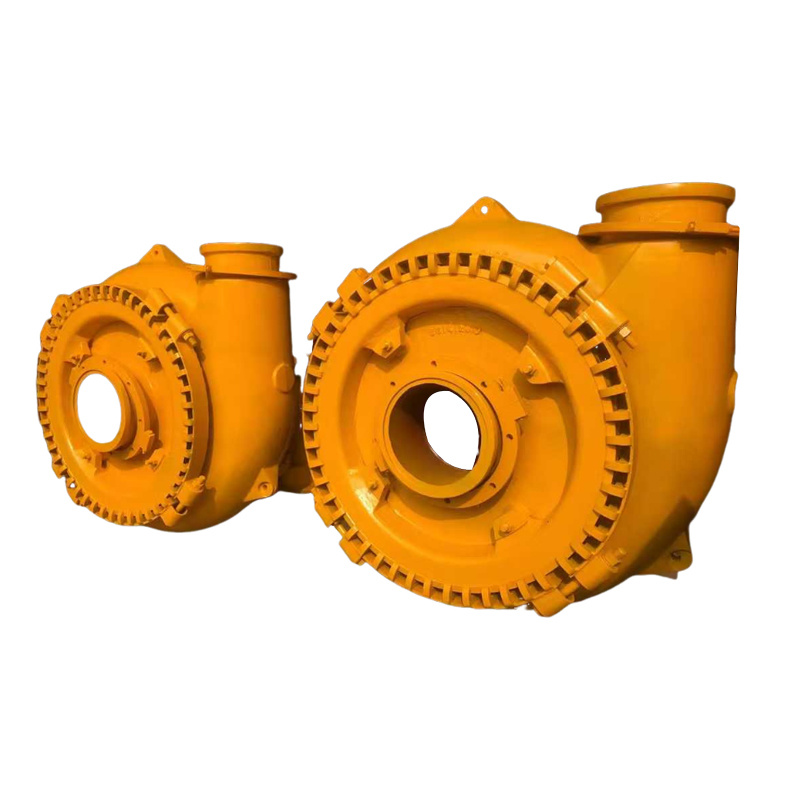
The Role of Gravel Pumps in Flood Management Systems
Table of Contents
1. Introduction to Flood Management Systems
2. Understanding Gravel Pumps
3. Importance of Gravel Pumps in Flood Management
3.1 How Gravel Pumps Work
3.2 Applications of Gravel Pumps
4. Advantages of Using Gravel Pumps in Flood Management
4.1 Efficiency in Water Removal
4.2 Versatility Across Different Environments
5. Key Considerations for Selecting Gravel Pumps
5.1 Capacity and Performance
5.2 Material Durability
6. Maintenance Tips for Gravel Pumps
7. Case Studies: Successful Implementation of Gravel Pumps
8. Frequently Asked Questions (FAQs)
9. Conclusion
1. Introduction to Flood Management Systems
Flood management systems are essential for mitigating the risks and impacts associated with excessive rainfall and storm surges. As urbanization increases and climate change amplifies the frequency of severe weather events, effective flood control measures have become more crucial than ever. Among these measures, **gravel pumps** play a vital role in efficiently removing water from affected areas, allowing for a quick return to normalcy.
2. Understanding Gravel Pumps
Gravel pumps are specialized hydraulic devices designed to transport gravel, sand, and other heavy particulate matter through water. They are particularly effective in situations where sediment-laden water must be moved rapidly, making them indispensable in flood management. Unlike traditional pumps, gravel pumps can handle solid materials without clogging, ensuring continuous operation even under challenging conditions.
3. Importance of Gravel Pumps in Flood Management
Gravel pumps are increasingly recognized for their significant contributions to flood management. Their ability to efficiently move both water and sediment makes them an ideal solution for various applications in flood-prone areas.
3.1 How Gravel Pumps Work
Gravel pumps operate using centrifugal or positive displacement mechanisms that create suction to draw in the mixture of water and solids. The design of these pumps allows them to handle larger particles without losing efficiency. This functionality is essential during flood events when debris and sediment can obstruct drainage systems.
3.2 Applications of Gravel Pumps
Gravel pumps find applications in several contexts, including:
- **Construction Sites**: Managing water accumulation during heavy rains.
- **Mining Operations**: Removing water mixed with gravel and sediment from extraction sites.
- **Flood Control**: Assisting in the rapid removal of floodwater from urban areas.
4. Advantages of Using Gravel Pumps in Flood Management
The implementation of gravel pumps in flood management systems offers numerous advantages that enhance their effectiveness.
4.1 Efficiency in Water Removal
Gravel pumps can move large volumes of water rapidly, significantly reducing the duration of flooding in affected areas. Their high flow rates ensure that excess water is evacuated promptly, minimizing damage to properties and infrastructure.
4.2 Versatility Across Different Environments
Whether in urban landscapes or rural settings, gravel pumps are adaptable to various environmental conditions. They can operate efficiently in narrow waterways and large basins, making them suitable for diverse flood management scenarios.
5. Key Considerations for Selecting Gravel Pumps
Choosing the right gravel pump for a specific application requires careful consideration of various factors.
5.1 Capacity and Performance
When selecting a gravel pump, evaluate its capacity to handle expected water and sediment volumes. Pumps are rated based on their flow capacity (measured in cubic meters per hour), which should match the anticipated needs during flood events.
5.2 Material Durability
Given the abrasive nature of gravel and sediment, the materials used in constructing gravel pumps should be robust. Look for pumps made from high-quality alloys or specialized composites that can withstand wear and tear over time.
6. Maintenance Tips for Gravel Pumps
Regular maintenance is essential for ensuring the longevity and efficiency of gravel pumps. Here are some practical maintenance tips:
- **Inspect Seals and Bearings**: Regularly check for wear and replace seals and bearings to prevent leaks and maintain efficiency.
- **Clean Filter Screens**: Ensure that screens are free from debris that could impede performance.
- **Lubricate Moving Parts**: Keep all moving components well-lubricated to reduce friction and extend the pump's lifespan.
7. Case Studies: Successful Implementation of Gravel Pumps
Several case studies highlight the successful use of gravel pumps in flood management:
1. **Urban Flood Response in City X**: During a severe storm, gravel pumps were deployed to quickly remove standing water from residential neighborhoods, preventing extensive property damage.
2. **Mining Site Water Management**: At a mining operation, gravel pumps efficiently managed water accumulation, allowing for continuous extraction activities without interruption from flooding.
8. Frequently Asked Questions (FAQs)
1. What types of gravel pumps are available?
Gravel pumps can be categorized into several types, including centrifugal pumps, positive displacement pumps, and submersible pumps, each designed for specific applications.
2. How do I determine the right size gravel pump for my needs?
Assess the volume of water and sediment you expect to manage, and select a pump with a flow rate that meets or exceeds those requirements.
3. Can gravel pumps handle all types of sediment?
Gravel pumps are specifically designed to handle gravel and sand, but they can also manage other types of sediment as long as particle sizes are within the pump's specifications.
4. What is the typical lifespan of a gravel pump?
With proper maintenance, gravel pumps can last several years, with some units operating efficiently for more than a decade under normal conditions.
5. Are there any environmental considerations when using gravel pumps?
Yes, it is essential to ensure that the use of gravel pumps does not disrupt local ecosystems. Conducting environmental assessments before deployment can help mitigate potential impacts.
9. Conclusion
Gravel pumps are a vital asset in modern flood management systems, offering efficiency, versatility, and robust performance in challenging conditions. Their unique design enables them to address the complexities of water and sediment removal during flood events effectively. By understanding the mechanics, applications, and necessary maintenance of gravel pumps, stakeholders can better prepare for and manage flood risks, ensuring the safety and sustainability of affected areas. Through strategic implementation and careful selection of equipment, we can harness the power of gravel pumps to create more resilient communities in the face of climate challenges.
PREVIOUS:
Contact Us
E-mail :
liu@cnpumpmade.com
WhatsApp:
+8615028256698
Address:
Nanyang Industrial Park, Shifo Town, Anguo City, Hebei Province, China


Leave Your Message