To provide high-quality Water pump products for global customers.


Understanding Multistage Pumps: An Essential Component in Industrial Applications
Sep 17,2026
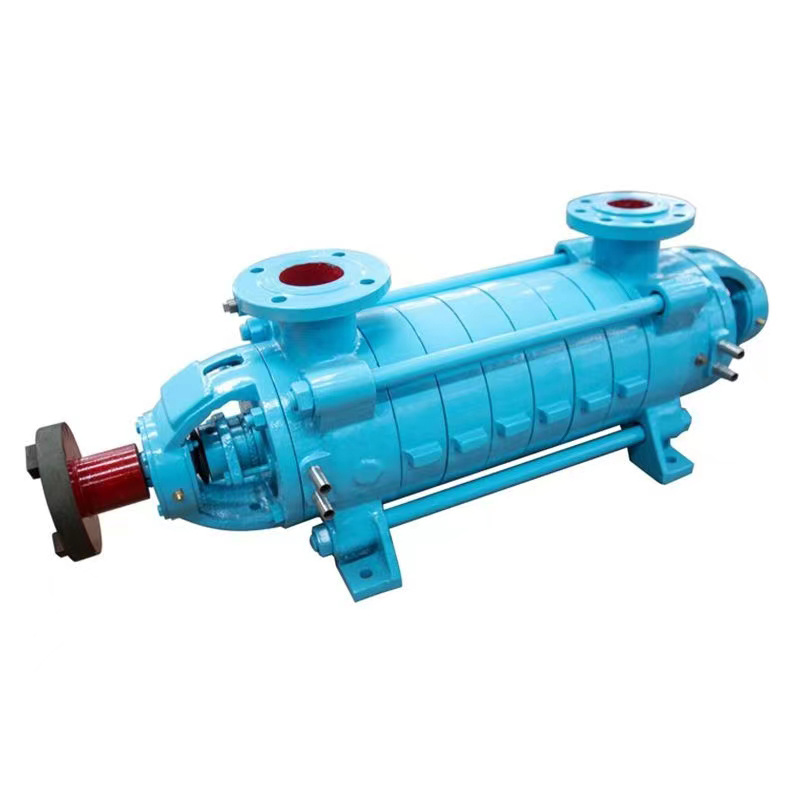
Multistage pumps are a vital component in many industrial applications, particularly in scenarios requiring high pressure and substantial flow rates. Unlike single-stage pumps, which use a single impeller to move fluid, multistage pumps utilize multiple impellers arranged in a series. This configuration significantly increases the pump's efficiency and performance, making it ideal for demanding operational environments.
One of the primary advantages of a multistage pump is its ability to generate high pressure. Each impeller adds energy to the fluid, enabling the pump to deliver high pressure to meet the needs of various applications, such as water supply systems, boiler feed water, and irrigation systems. This increased pressure capability allows for the transportation of fluids over long distances, making multistage pumps particularly advantageous in municipal and agricultural sectors.
In addition to their pressure capabilities, multistage pumps are also designed to handle various fluid types. Whether dealing with clean water, chemicals, or even viscous fluids, these pumps can be configured to meet the specific requirements of the material being pumped. This versatility makes them an ideal choice for a wide range of industrial tasks, including chemical processing, oil and gas extraction, and waste management.
The construction of multistage pumps plays a crucial role in their efficiency and durability. Typically made from robust materials such as stainless steel, these pumps can withstand harsh operating conditions, including high temperatures and corrosive fluids. Furthermore, the modular design allows for easy maintenance and repair, ensuring long-term reliability.
When considering the implementation of a multistage pump in an industrial setting, several factors must be taken into account. These include the design flow rate, the required discharge pressure, and the specific characteristics of the fluid. Properly sizing the pump is essential to achieving optimal performance and efficiency, as undersized or oversized pumps can lead to operational problems, increased energy consumption, and premature wear and tear.
In conclusion, multistage pumps are an indispensable asset in the industrial equipment landscape, offering high pressure and versatile fluid handling capabilities. Understanding their operational principles, advantages, and appropriate applications can empower professionals to make informed decisions when selecting pumping solutions for their specific needs. As industries continue to evolve, the role of multistage pumps will undoubtedly remain vital in ensuring efficient and reliable fluid management.
Contact Us
E-mail :
liu@cnpumpmade.com
WhatsApp:
+8615028256698
Address:
Nanyang Industrial Park, Shifo Town, Anguo City, Hebei Province, China


Leave Your Message