To provide high-quality Water pump products for global customers.


Understanding the Costs Associated with Multistage Pump Installation: A Comprehensive Guide
Sep 02,2026
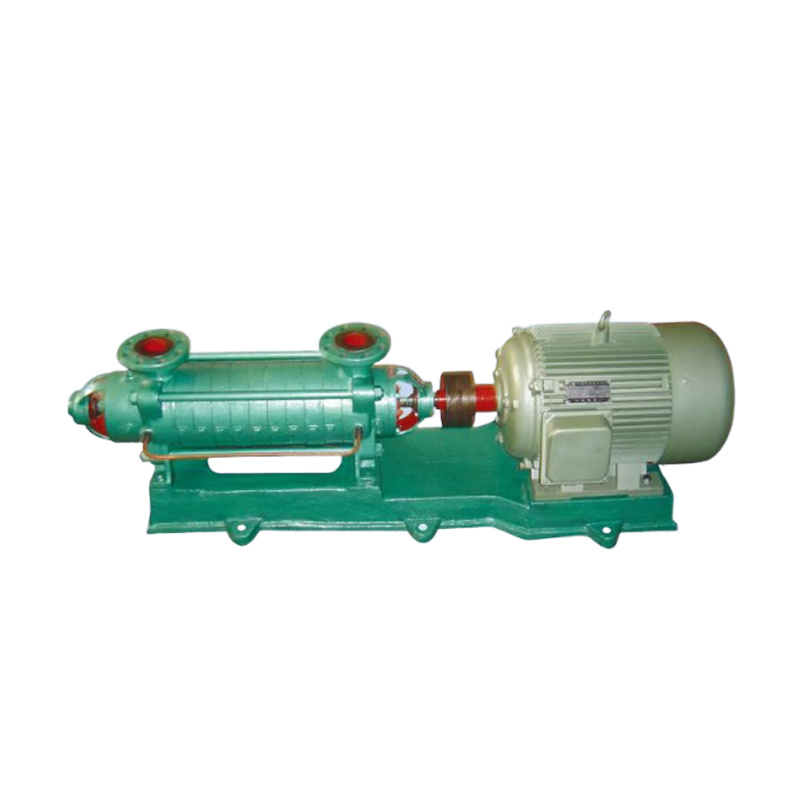
Understanding the Costs Associated with Multistage Pump Installation
Table of Contents
- 1. Introduction
- 2. What is a Multistage Pump?
- 3. Factors Affecting Installation Costs
- 4. Equipment and Materials Costs
- 5. Labor Costs for Installation
- 6. Additional Costs to Consider
- 7. Long-Term Costs and Maintenance
- 8. Frequently Asked Questions
- 9. Conclusion
1. Introduction
When it comes to industrial applications, selecting the right pump for your system is crucial. Among various options, **multistage pumps** stand out for their efficiency and versatility. However, the installation process can be complicated and often comes with numerous costs. Understanding these costs is essential for anyone planning to install a multistage pump. This article provides a detailed breakdown of all the factors influencing the costs associated with multistage pump installation.
2. What is a Multistage Pump?
A **multistage pump** features multiple impellers, enabling it to achieve higher pressures than single-stage pumps. These pumps are commonly used in applications requiring elevated pressure, such as water treatment, oil and gas, and chemical processing. The design of a multistage pump allows it to handle high flow rates and deliver consistent performance across various conditions.
2.1 Types of Multistage Pumps
- **Vertical Multistage Pumps**: Space-saving designs ideal for limited installation spaces.
- **Horizontal Multistage Pumps**: Often used for larger flow rates and capacities.
- **Submersible Multistage Pumps**: Designed for underwater applications, perfect for deep well extraction.
3. Factors Affecting Installation Costs
Numerous factors contribute to the overall costs of installing a multistage pump. Understanding these will help you budget accurately and avoid unexpected expenses.
3.1 Pump Size and Capacity
The size and capacity of the pump significantly affect costs. Larger pumps generally require more robust materials and more extensive installation efforts, raising overall expenses.
3.2 Complexity of the Installation Site
The characteristics of the installation site can complicate or simplify the process. Factors such as accessibility, existing infrastructure, and environmental conditions all play a role. For instance, a remote location may incur additional transportation costs.
3.3 Regulatory Compliance
In many industries, compliance with environmental and safety regulations is mandatory. These requirements can lead to additional costs for installation, such as obtaining permits or ensuring that the installation meets specific standards.
4. Equipment and Materials Costs
The equipment and materials used in the installation of a multistage pump are essential components of the overall cost.
4.1 Types of Materials
Depending on the application, different materials may be required for the pump construction and piping. Common materials include:
- **Stainless Steel**: Offers durability and corrosion resistance.
- **Cast Iron**: A budget-friendly option, though less resistant to corrosion.
- **Bronze**: Suitable for specific applications but at a higher cost.
4.2 Auxiliary Equipment
In addition to the pump itself, other components such as valves, gauges, and piping systems are integral to the installation. The quality and type of these components will also impact your budget.
5. Labor Costs for Installation
Labor costs can vary depending on the complexity of the installation, the skill level required, and the time taken to complete the project.
5.1 Finding Qualified Labor
Hiring experienced professionals is crucial for ensuring a successful installation. While opting for cheaper labor may save costs initially, it could lead to issues down the line, resulting in higher expenses for repairs or replacements.
5.2 Time Estimates
A detailed evaluation of the installation process can help estimate labor costs more accurately. Consider factors such as:
- Initial site assessment
- Equipment delivery and setup
- Connection to existing systems
6. Additional Costs to Consider
Besides the primary installation costs, several additional expenses can arise during the process.
6.1 Transportation and Logistics
Transporting the pump and related equipment to the site can incur significant costs, especially for large or heavy-duty pumps. It's important to factor in logistics when budgeting for installation.
6.2 Maintenance and Warranty Costs
Some manufacturers offer warranties that cover defects and malfunctions. Understanding the terms of these warranties can help you predict future expenses related to repairs or maintenance.
7. Long-Term Costs and Maintenance
Investing in a multistage pump goes beyond the initial installation; ongoing maintenance is a critical aspect that can affect overall costs.
7.1 Routine Maintenance Expenses
Regular maintenance is essential for ensuring the longevity and efficiency of your pump. Costs associated with routine inspections, parts replacement, and lubrication should be considered in your long-term budget.
7.2 Energy Consumption
Multistage pumps can consume significant energy, particularly in high-capacity applications. An analysis of the energy costs over time can provide insights into the pump's efficiency and its impact on operational expenses.
8. Frequently Asked Questions
8.1 What factors influence the cost of a multistage pump installation?
Key factors include pump size and capacity, complexity of the installation site, regulatory compliance, and the choice of materials and components.
8.2 How can I reduce installation costs for a multistage pump?
Consider optimizing the installation site, selecting cost-effective materials, and adequately planning the project to minimize labor costs.
8.3 What are the typical maintenance costs associated with multistage pumps?
Maintenance costs can vary, but budgeting for regular inspections, parts replacements, and monitoring energy consumption is essential.
8.4 Are there any hidden costs I should be aware of?
Yes, additional costs may arise from transportation, compliance with regulations, or unexpected site conditions that require further resources.
8.5 How long can I expect a multistage pump to last?
With proper maintenance, multistage pumps can last anywhere from 10 to 20 years, depending on the application and operating conditions.
9. Conclusion
Understanding the costs associated with **multistage pump installation** is crucial for making informed decisions in your industrial applications. By evaluating various factors such as pump size, installation complexity, labor requirements, and ongoing maintenance, you can effectively budget for the project. Investing time and resources into a well-planned installation can lead to reduced long-term costs and increased efficiency, ultimately ensuring the success of your operations.
Contact Us
E-mail :
liu@cnpumpmade.com
WhatsApp:
+8615028256698
Address:
Nanyang Industrial Park, Shifo Town, Anguo City, Hebei Province, China


Leave Your Message