To provide high-quality Water pump products for global customers.


The Best Practices for Gravel Pump Maintenance and Care: Ensuring Optimal Performance and Longevity
Aug 29,2026
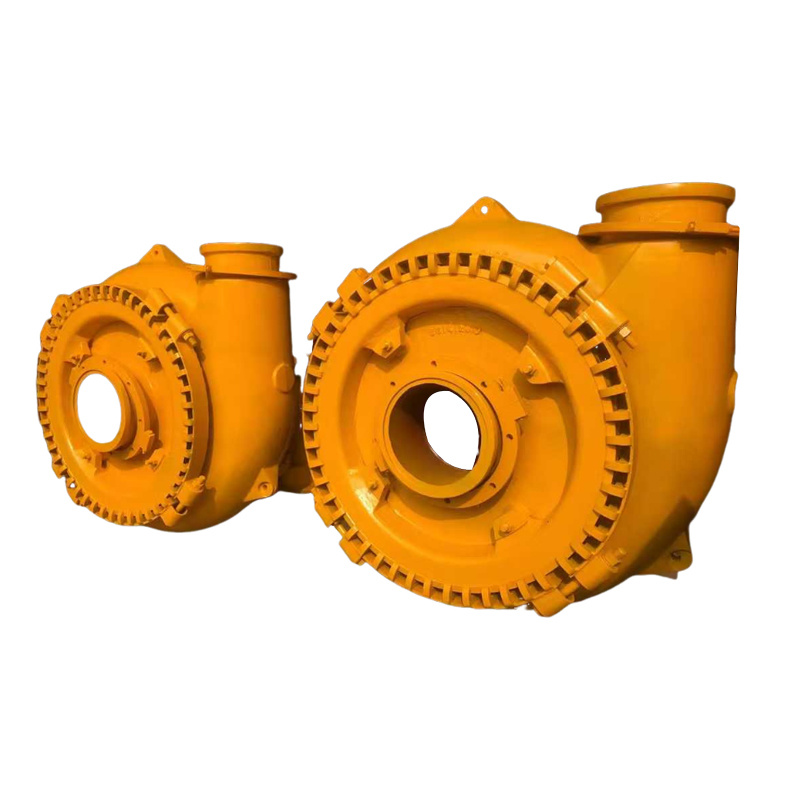
The Best Practices for Gravel Pump Maintenance and Care
Gravel pumps play a crucial role in various industrial applications, especially in mining, dredging, and construction. Given their demanding operational environments, the maintenance of gravel pumps is essential for ensuring optimal performance and longevity. Implementing the right maintenance practices not only enhances efficiency but also prevents costly downtime. In this article, we will explore the **best practices for gravel pump maintenance and care**, providing you with detailed insights and actionable steps to keep your equipment in top shape.
Table of Contents
- 1. Introduction to Gravel Pumps
- 2. Importance of Regular Maintenance
- 3. Routine Inspections for Gravel Pumps
- 4. Effective Cleaning Techniques
- 5. Proper Lubrication Practices
- 6. Identifying and Addressing Wear and Tear
- 7. Troubleshooting Common Gravel Pump Issues
- 8. Best Repair Techniques for Longevity
- 9. Conclusion
- 10. Frequently Asked Questions (FAQs)
1. Introduction to Gravel Pumps
Gravel pumps are specifically designed to transport abrasive materials such as gravel, sand, and slurry. These pumps are typically used in environments where conventional pumps would fail due to the abrasive nature of the materials they handle. Understanding how these pumps operate is the first step toward effective maintenance. By maintaining your gravel pump properly, you can significantly improve its efficiency and operational life.
2. Importance of Regular Maintenance
Regular maintenance is essential for several reasons:
- **Performance Optimization**: Well-maintained pumps operate more efficiently, resulting in lower energy consumption and improved output.
- **Cost Reduction**: Preventative maintenance is generally less expensive than major repairs due to equipment failure.
- **Increased Lifespan**: Routine care can extend the life of your gravel pump, delaying the need for costly replacements.
- **Safety Assurance**: Regular checks help identify potential safety hazards before they escalate into serious issues.
3. Routine Inspections for Gravel Pumps
Routine inspections are critical for identifying issues before they lead to failure. Here’s how to carry them out effectively:
3.1 Visual Inspections
Begin with a visual inspection of the pump and its surrounding area. Look for signs of wear, leaks, or corrosion. Ensure that all components are securely attached, and inspect the hoses and fittings for any signs of damage.
3.2 Performance Checks
Monitor the pump’s performance by checking flow rates and pressure levels. Any deviation from normal operating parameters can indicate underlying problems needing attention.
3.3 Vibration Analysis
Use vibration analysis tools to assess the pump’s operating condition. Excessive vibration can signal misalignment or imbalance, which can lead to equipment failure if not addressed promptly.
4. Effective Cleaning Techniques
Cleaning your gravel pump regularly is essential for maintaining its performance. Here are some effective cleaning techniques:
4.1 Regular Exterior Cleaning
Remove dirt and debris from the pump's exterior. This prevents contaminants from entering the pump and causing damage.
4.2 Flushing the System
Perform periodic flushing of the pump system to remove accumulated sediment and abrasive particles. Use clean, pressurized water for effective flushing.
4.3 Chemical Cleaning
In cases of heavy buildup, consider using chemical cleaners designed for industrial pumps. Always follow the manufacturer's guidelines and safety precautions.
5. Proper Lubrication Practices
Lubrication is a vital aspect of gravel pump maintenance. Proper lubrication reduces friction, minimizes wear, and prevents overheating. Follow these best practices for lubrication:
5.1 Use the Right Lubricant
Select a lubricant that meets the manufacturer’s specifications. Use high-quality lubricants specifically designed for industrial applications.
5.2 Establish a Lubrication Schedule
Create a regular lubrication schedule based on the pump’s operating conditions. Increased frequency may be necessary in harsh environments.
5.3 Monitor Lubricant Condition
Regularly check the condition of the lubricant. Contaminated or degraded lubricant can lead to increased wear and component failure.
6. Identifying and Addressing Wear and Tear
Gravel pumps are subjected to significant wear and tear due to the abrasive materials they handle. Identifying and addressing this wear promptly is essential:
6.1 Monitor Key Components
Pay close attention to key components such as impellers, liners, and seals. Inspect these parts regularly for signs of wear.
6.2 Replace Worn Parts Promptly
When wear is identified, replace components immediately to prevent further damage to the pump.
6.3 Upgrade Materials
Consider upgrading to wear-resistant materials for critical components. This can enhance the pump’s durability and extend its operational life.
7. Troubleshooting Common Gravel Pump Issues
Even with proper maintenance, gravel pumps may encounter issues. Here are some common problems and troubleshooting tips:
7.1 Pump Not Priming
If the pump fails to prime, check for air leaks in the suction line and ensure that the pump is adequately filled with fluid.
7.2 Reduced Flow Rate
A drop in flow rate can be caused by blockages or worn components. Inspect for obstructions and replace any worn parts.
7.3 Unusual Noises
Unusual noises can indicate mechanical issues. Investigate the source of the noise and assess for misalignment or bearing failures.
8. Best Repair Techniques for Longevity
When repairs are necessary, utilizing the best techniques is crucial for longevity:
8.1 Follow Manufacturer Guidelines
Always adhere to the manufacturer’s guidelines when performing repairs. This ensures that repairs are carried out correctly and maintain the integrity of the pump.
8.2 Use Quality Replacement Parts
Invest in high-quality replacement parts to ensure optimal performance and longevity of the pump.
8.3 Document Repairs and Maintenance
Keep detailed records of all maintenance and repair activities. This documentation can help track performance trends and identify potential issues early.
9. Conclusion
In conclusion, effective gravel pump maintenance and care are essential for optimizing performance and extending the lifespan of your equipment. By implementing routine inspections, cleaning, proper lubrication, and addressing wear and tear proactively, you can minimize downtime and reduce overall operational costs. With the right practices in place, your gravel pump will serve you efficiently for years to come.
10. Frequently Asked Questions (FAQs)
1. How often should I perform maintenance on my gravel pump?
Regular maintenance should be conducted at least once a month, but more frequent checks may be essential depending on operational conditions.
2. What are the signs that my gravel pump needs maintenance?
Signs of needed maintenance include unusual noises, reduced flow rates, and visible wear on components.
3. Can I perform maintenance myself, or should I hire a professional?
Basic maintenance tasks can often be performed by operators, but complex repairs should be handled by qualified professionals.
4. What should I do if my pump is not priming?
Check for air leaks, ensure the suction line is submerged, and verify that the pump is filled with fluid.
5. How can I extend the lifespan of my gravel pump?
Regular maintenance, timely repairs, and using quality components can significantly extend the lifespan of your gravel pump.
By following these best practices for gravel pump maintenance and care, you can ensure that your equipment operates at peak efficiency while minimizing downtime and repair costs. Implementing a proactive maintenance strategy is key to the longevity of your gravel pump.
Contact Us
E-mail :
liu@cnpumpmade.com
WhatsApp:
+8615028256698
Address:
Nanyang Industrial Park, Shifo Town, Anguo City, Hebei Province, China


Leave Your Message