To provide high-quality Water pump products for global customers.


Understanding the Advantages and Applications of Multistage Pumps in Industrial Systems
Aug 28,2026
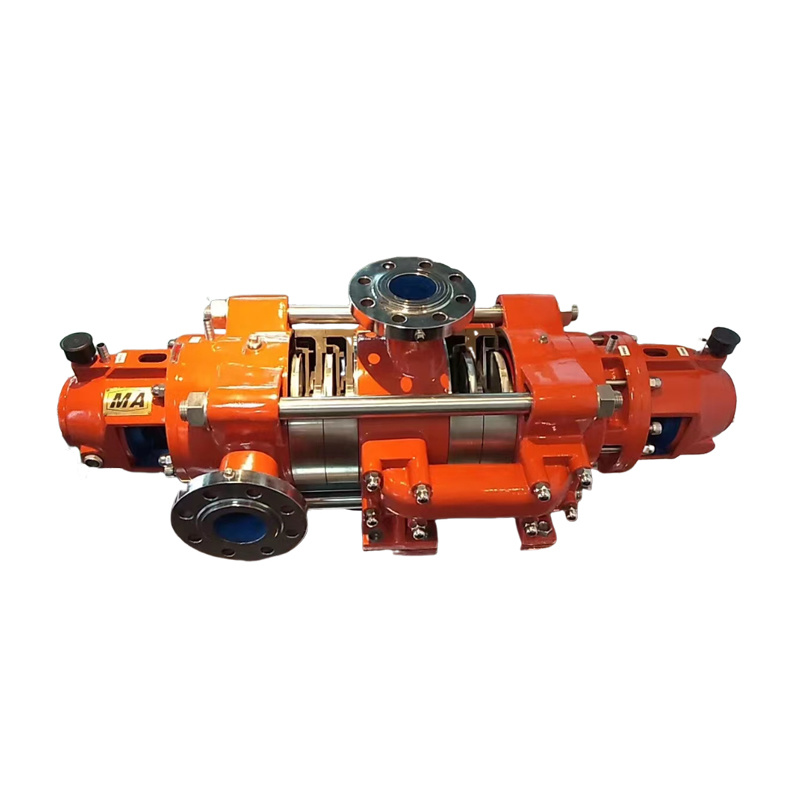
Multistage pumps are designed to handle the transportation of fluids at significantly higher pressures compared to single-stage pumps. These pumps consist of multiple impellers or stages, which work sequentially to increase the pressure of the fluid being pumped. This design makes multistage pumps particularly useful in applications where high pressure is essential, such as water distribution, boiler feed water systems, and certain chemical processing.
One of the primary advantages of multistage pumps is their ability to provide a higher head (pressure) output. Each impeller stage contributes to the overall pressure increase, allowing these pumps to push fluids over longer distances or to higher elevations. This capability is especially beneficial in municipal water systems where water must be transported from a lower source to higher ground.
In terms of energy efficiency, multistage pumps can be more economical than their single-stage counterparts. By achieving the desired pressure through multiple stages, they can operate at lower speeds and with reduced energy consumption. This not only leads to lower operational costs but also reduces wear and tear on the pump components, extending the life of the equipment.
Another important consideration is the versatility of multistage pumps. They can handle a wide variety of fluids, including clean water, chemicals, and even slurries, depending on the materials used in their construction. This adaptability makes them suitable for diverse industries such as agriculture, oil and gas, and manufacturing.
When selecting a multistage pump, several factors should be considered to ensure optimal performance. These include the required flow rate, the total dynamic head (TDH), fluid characteristics, and the pump’s material compatibility with the fluid being handled. Proper sizing and configuration are crucial to achieving the desired operational efficiency and reliability.
Installation and maintenance of multistage pumps also require careful attention. Regular maintenance practices, such as checking for wear on the impellers and seals, can prevent costly downtime and ensure consistent performance. Additionally, understanding the pump's operational parameters can help in diagnosing and addressing any issues that may arise during its service life.
In summary, multistage pumps are an essential part of many industrial systems, offering significant advantages in terms of pressure capabilities, energy efficiency, and versatility. By understanding their design and operation, industrial professionals can make informed decisions about their applications, leading to improved performance and reliability in their processes.
One of the primary advantages of multistage pumps is their ability to provide a higher head (pressure) output. Each impeller stage contributes to the overall pressure increase, allowing these pumps to push fluids over longer distances or to higher elevations. This capability is especially beneficial in municipal water systems where water must be transported from a lower source to higher ground.
In terms of energy efficiency, multistage pumps can be more economical than their single-stage counterparts. By achieving the desired pressure through multiple stages, they can operate at lower speeds and with reduced energy consumption. This not only leads to lower operational costs but also reduces wear and tear on the pump components, extending the life of the equipment.
Another important consideration is the versatility of multistage pumps. They can handle a wide variety of fluids, including clean water, chemicals, and even slurries, depending on the materials used in their construction. This adaptability makes them suitable for diverse industries such as agriculture, oil and gas, and manufacturing.
When selecting a multistage pump, several factors should be considered to ensure optimal performance. These include the required flow rate, the total dynamic head (TDH), fluid characteristics, and the pump’s material compatibility with the fluid being handled. Proper sizing and configuration are crucial to achieving the desired operational efficiency and reliability.
Installation and maintenance of multistage pumps also require careful attention. Regular maintenance practices, such as checking for wear on the impellers and seals, can prevent costly downtime and ensure consistent performance. Additionally, understanding the pump's operational parameters can help in diagnosing and addressing any issues that may arise during its service life.
In summary, multistage pumps are an essential part of many industrial systems, offering significant advantages in terms of pressure capabilities, energy efficiency, and versatility. By understanding their design and operation, industrial professionals can make informed decisions about their applications, leading to improved performance and reliability in their processes.
PREVIOUS:
Contact Us
E-mail :
liu@cnpumpmade.com
WhatsApp:
+8615028256698
Address:
Nanyang Industrial Park, Shifo Town, Anguo City, Hebei Province, China


Leave Your Message