To provide high-quality Water pump products for global customers.


Double Suction Pumps: Addressing Challenges in Fluid Transfer
Jul 26,2026
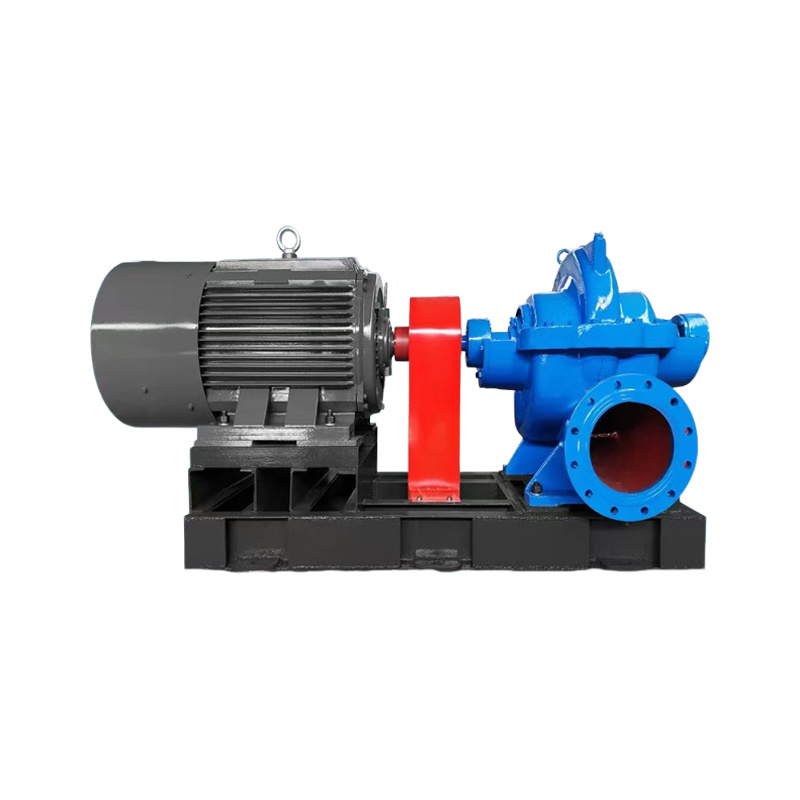
Double Suction Pumps: Addressing Challenges in Fluid Transfer
Table of Contents
- Introduction to Double Suction Pumps
- What Are Double Suction Pumps?
- Design and Functionality of Double Suction Pumps
- Benefits of Using Double Suction Pumps
- Applications of Double Suction Pumps in Various Industries
- Common Challenges in Fluid Transfer
- Troubleshooting and Maintenance Tips
- Future Trends in Double Suction Pump Technology
- Conclusion
- Frequently Asked Questions (FAQs)
Introduction to Double Suction Pumps
In the realm of fluid transfer, the efficiency and reliability of pumping systems are paramount. **Double suction pumps** have emerged as a preferred solution due to their unique design that addresses many challenges associated with fluid dynamics. These pumps are specifically engineered to handle large volumes of fluid with lower energy consumption, making them essential in various industrial applications. In this article, we will explore the intricacies of double suction pumps, their benefits, applications, and how they stand up to the challenges of fluid transfer.
What Are Double Suction Pumps?
Double suction pumps are a type of centrifugal pump characterized by their impeller design, which allows for suction from both sides. This dual-suction feature enables the pump to achieve higher flow rates while maintaining efficiency. Typically, these pumps are used for handling clear liquids and are especially advantageous in large-scale applications like water treatment, HVAC systems, and industrial processes.
The design of double suction pumps includes a **single impeller** that draws fluid from two sides, allowing for a balanced hydraulic load. This design not only enhances the pump's performance but also reduces vibrations and mechanical stress on the bearings, leading to a longer operational lifespan.
Design and Functionality of Double Suction Pumps
The design of double suction pumps is pivotal to their functionality. They consist of several key components that work together to facilitate fluid transfer:
1. Impeller
The **impeller** is the heart of the pump. In double suction pumps, the impeller is typically larger and designed to draw fluid from both sides, effectively doubling the flow capacity compared to single-suction pumps.
2. Casing
The casing of a double suction pump is crafted to house the impeller and provide the necessary pathways for fluid entry and exit. It is designed to minimize turbulence and optimize flow efficiency.
3. Bearings
These pumps generally feature robust bearings that support the impeller shaft. The double suction design reduces the load on these bearings, contributing to enhanced durability and lower maintenance costs.
4. Shaft
The pump shaft connects the impeller to the motor. In double suction pumps, it is engineered to withstand the balanced forces exerted by the fluid being pumped, ensuring stable operation.
5. Sealing Mechanisms
Effective sealing mechanisms are crucial for preventing leaks and maintaining pressure. Double suction pumps often incorporate advanced sealing technologies to enhance reliability.
Benefits of Using Double Suction Pumps
The advantages of double suction pumps are numerous, making them a favorable choice for industries requiring efficient fluid handling. Some key benefits include:
1. Increased Flow Capacity
The dual-suction design allows for significantly higher flow rates, catering to large-volume applications without sacrificing efficiency.
2. Energy Efficiency
Double suction pumps are designed to operate effectively at lower energy levels, reducing operational costs. Their efficiency translates into less energy consumption over time.
3. Reduced Vibration and Noise
Thanks to their balanced design, double suction pumps experience lower vibration levels, which not only enhances user comfort but also prolongs the equipment's lifespan.
4. Extended Operational Life
With less stress on components due to the balanced hydraulic forces, these pumps typically enjoy longer operational life compared to traditional single-suction pumps.
5. Versatility
Double suction pumps are versatile and can be adapted for various applications, including water supply, irrigation, and industrial processes, making them a valuable asset across industries.
Applications of Double Suction Pumps in Various Industries
Double suction pumps find applications across a wide spectrum of industries due to their efficiency and reliability. Some prominent applications include:
1. Water Supply and Distribution
In municipal water systems, double suction pumps are utilized for their ability to handle large volumes of water efficiently, ensuring a steady supply to consumers.
2. HVAC Systems
Heating, ventilation, and air conditioning (HVAC) systems often rely on double suction pumps to circulate fluids effectively, maintaining comfortable indoor environments.
3. Industrial Processes
Manufacturing facilities utilize double suction pumps to manage fluid transfer for processes such as chemical production, cooling systems, and wastewater management.
4. Agriculture
In the agricultural sector, these pumps are essential for irrigation and drainage applications, helping to optimize water usage and enhance crop yields.
5. Fire Protection Systems
Double suction pumps play a crucial role in fire protection systems, providing the necessary water pressure and flow rate to combat fires effectively.
Common Challenges in Fluid Transfer
While double suction pumps are designed to tackle many challenges associated with fluid transfer, several common issues can arise, including:
1. Cavitation
Cavitation occurs when vapor bubbles form in the fluid, leading to potential damage to the pump. It is essential to maintain proper flow rates and pressure to mitigate this risk.
2. Viscosity Changes
Fluids with varying viscosities can affect pump performance. Understanding the fluid properties and selecting the appropriate pump is crucial for optimal operation.
3. Contamination
Contaminants in the fluid can cause wear and tear on pump components. Implementing filtration systems can help maintain fluid purity and extend pump life.
4. Maintenance Challenges
Regular maintenance is essential for optimal performance. However, accessibility to pump components can pose challenges during routine servicing.
Troubleshooting and Maintenance Tips
To ensure the longevity and efficiency of double suction pumps, following a structured maintenance routine is fundamental. Here are some troubleshooting and maintenance tips:
1. Regular Inspection
Conduct regular inspections for signs of wear, leaks, or unusual vibrations. Early detection can prevent major issues down the line.
2. Monitor Performance
Keep track of key performance indicators such as flow rate, pressure, and energy consumption. Deviations from normal values can indicate underlying problems.
3. Clean Filters
Ensure that filters are regularly cleaned or replaced to prevent contamination of the fluid being pumped.
4. Lubrication
Proper lubrication of bearings and moving parts is essential for smooth operation. Adhere to the manufacturer's recommendations for lubrication intervals.
5. Train Personnel
Ensure that operators and maintenance personnel are adequately trained in the workings of double suction pumps to minimize the risk of operational errors.
Future Trends in Double Suction Pump Technology
The future of double suction pump technology looks promising, with several trends poised to enhance their efficiency and applicability:
1. Smart Pump Technology
Integration of IoT capabilities in pumps allows for real-time monitoring and diagnostics, enabling predictive maintenance and reducing downtime.
2. Eco-Friendly Designs
With growing environmental concerns, manufacturers are focusing on developing pumps that operate with lower energy consumption and reduced emissions.
3. Advanced Materials
The use of composite materials and coatings can enhance the durability and efficiency of double suction pumps, making them more resistant to wear and corrosion.
4. Modular Designs
Future pumps may adopt modular designs, allowing for easier upgrades and customization to meet specific operational requirements.
5. Enhanced Automation
As automation continues to advance, double suction pumps are expected to feature improved automation capabilities that streamline operations in various settings.
Conclusion
Double suction pumps represent a vital solution for many industries facing the challenges of fluid transfer. Their unique design offers numerous advantages, including increased flow capacity, energy efficiency, and reduced mechanical stress. As we move toward a more automated and eco-conscious future, innovations in double suction pump technology will continue to evolve, further enhancing their applicability and performance. By understanding their design, benefits, and maintenance needs, operators can ensure they maximize the potential of these essential tools in their fluid transfer processes.
Frequently Asked Questions (FAQs)
1. What is the primary advantage of double suction pumps over single suction pumps?
The primary advantage is that double suction pumps can achieve higher flow rates with lower energy consumption due to their dual-suction design, which balances hydraulic forces.
2. Can double suction pumps handle viscous fluids?
Yes, but it is important to select the right pump based on the specific viscosity of the fluid to ensure optimal performance.
3. How often should double suction pumps be maintained?
Maintenance should be conducted regularly, typically every few months, depending on the operational environment and usage frequency.
4. What are the signs of cavitation in double suction pumps?
Signs of cavitation include unusual noises, vibrations, and fluctuations in flow rates. It is crucial to address these issues promptly to prevent damage.
5. Are double suction pumps environmentally friendly?
While traditional models can be energy-intensive, many modern double suction pumps are designed with eco-friendly features that reduce energy consumption and emissions.
Contact Us
E-mail :
liu@cnpumpmade.com
WhatsApp:
+8615028256698
Address:
Nanyang Industrial Park, Shifo Town, Anguo City, Hebei Province, China


Leave Your Message