To provide high-quality Water pump products for global customers.


Gravel Pump Technology Advances: Innovations Shaping the Industry
Jul 10,2026
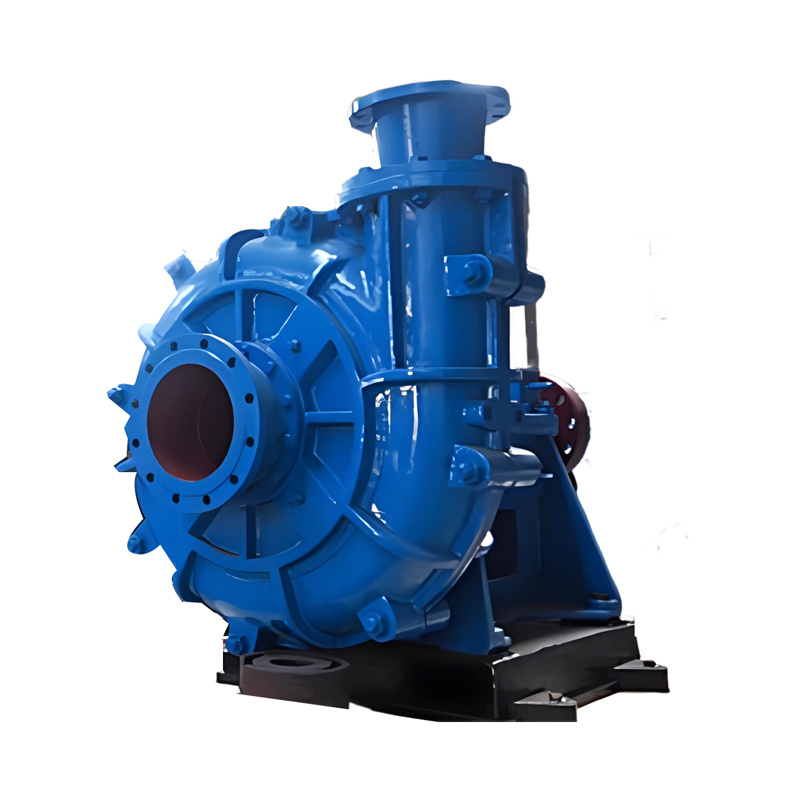
Gravel Pump Technology Advances: Innovations Shaping the Industry
Table of Contents
- 1. Introduction to Gravel Pump Technology
- 2. Historical Overview of Gravel Pumps
- 3. Latest Advancements in Gravel Pump Technology
- 4. Design Innovations in Gravel Pumps
- 5. Efficiency Improvements and Energy Savings
- 6. Environmental Considerations in Pump Design
- 7. Future Trends in Gravel Pump Technology
- 8. Case Studies: Successful Implementations
- 9. Conclusion
- 10. FAQs about Gravel Pump Technology
1. Introduction to Gravel Pump Technology
Gravel pumps are crucial in various industrial applications, particularly in the mining, dredging, and construction sectors. These pumps are specifically designed to handle abrasive materials such as gravel, sand, and slurry. Recent advancements in gravel pump technology are transforming how these pumps operate, improving efficiency, durability, and environmental compliance. This article delves into the latest trends, innovations, and what the future holds for gravel pump technology.
2. Historical Overview of Gravel Pumps
To understand the advancements in gravel pump technology, it's essential to look back at its evolution. The initial designs of gravel pumps were rudimentary, often relying on mechanical parts that would wear down quickly when faced with abrasive materials. Over the years, the industry has seen significant shifts from basic centrifugal pumps to more sophisticated designs that prioritize longevity and efficiency. The introduction of materials like high-chrome alloys and advanced sealing technologies has greatly enhanced the performance and lifespan of gravel pumps.
3. Latest Advancements in Gravel Pump Technology
Recent advancements in gravel pump technology focus on enhancing performance while minimizing operational costs. Innovations include:
3.1 Smart Pumping Solutions
The integration of IoT technology has allowed for the development of smart gravel pumps. These pumps can now be monitored remotely, providing real-time data on performance metrics such as flow rate, pressure, and wear levels. This data enables proactive maintenance, reducing downtime and operational costs.
3.2 Advanced Motor Technologies
New motor technologies, including variable frequency drives (VFDs), have been employed to optimize energy use. VFDs allow pumps to adjust flow rates according to demand, leading to significant energy savings and a reduction in wear on pump components.
3.3 Enhanced Wear Resistance
New materials and coatings are being developed to resist wear and tear caused by abrasive materials. Innovations in ceramic and polymer coatings have extended the life of pump components, reducing maintenance costs and downtime.
4. Design Innovations in Gravel Pumps
Innovative design solutions are at the forefront of gravel pump technology. This section explores some of the most impactful design improvements.
4.1 Modular Pump Designs
Modular designs allow for easier maintenance and upgrades. Instead of replacing entire pumps, operators can swap out individual components, significantly lowering costs and downtime.
4.2 Improved Hydraulics
Advancements in hydraulic design have led to more efficient fluid dynamics within pumps. Improved impeller designs and optimized volute shapes increase flow efficiency and reduce energy consumption.
4.3 Noise and Vibration Reduction
New designs aim to minimize noise and vibration levels, enhancing operator comfort and reducing the environmental impact of pumping operations. Techniques such as vibration damping mounts and sound-insulating designs are becoming standard.
5. Efficiency Improvements and Energy Savings
Efficiency is a critical factor in gravel pump operation. The industry's latest trends focus on maximizing output while minimizing energy consumption.
5.1 Energy Recovery Systems
Energy recovery systems capture excess energy from the pumping process and use it to power other components. This innovation can significantly reduce overall energy costs and improve system efficiency.
5.2 Optimized Pump Sizing
Proper sizing is essential for efficiency. Advanced software tools are now available to help operators select the right pump size for their specific applications, ensuring optimal performance without unnecessary energy expenditure.
5.3 Automation and Control Technologies
Automation technologies, such as programmable logic controllers (PLCs), allow for fine-tuned control of pump operations. These systems can adjust parameters in real-time based on system demands, leading to increased efficiency and reliability.
6. Environmental Considerations in Pump Design
As environmental regulations become stricter, gravel pump manufacturers are focusing on sustainable practices.
6.1 Eco-Friendly Materials
Utilizing eco-friendly materials that have less environmental impact during production and disposal is now a priority for manufacturers. This includes the use of recyclable materials and reduced toxic emissions during the manufacturing process.
6.2 Minimizing Water Contamination
Innovative sealing solutions are being implemented to prevent leaks that could lead to water contamination. Advanced seals and containment systems are essential in protecting surrounding ecosystems.
6.3 Energy-Efficient Operations
Sustainable practices include designing pumps that consume less energy, thus reducing their overall carbon footprint. Many manufacturers are now offering energy-efficient models that meet or exceed regulatory requirements.
7. Future Trends in Gravel Pump Technology
Looking ahead, several trends are poised to shape the future of gravel pump technology.
7.1 Increased Digitalization
The trend toward digitalization will continue, with more pumps incorporating smart technology for data collection and analysis. This will enable predictive maintenance and enhanced operational efficiencies.
7.2 Sustainability and Circular Economy
The shift towards sustainability will see manufacturers adopting circular economy principles, focusing on product life extension, recycling, and reducing environmental impact.
7.3 Advanced Materials and Coatings
Research into new materials and coatings will continue to drive improvements in wear resistance and performance, ensuring that pumps can handle increasingly abrasive materials over their lifespan.
8. Case Studies: Successful Implementations
Examining real-world applications of advanced gravel pump technology can offer valuable insights into its benefits.
8.1 Case Study: Mining Operations
A mining company recently implemented smart gravel pumps equipped with IoT technology. They reported a 30% reduction in energy costs and a significant decrease in unplanned downtime due to predictive maintenance features.
8.2 Case Study: Dredging Projects
A dredging project adopted modular pump designs, allowing for rapid component replacement. This innovation led to increased operational efficiency and reduced downtime by 25%.
9. Conclusion
Gravel pump technology is evolving rapidly, driven by innovation, efficiency, and sustainability. As industries continue to demand higher performance and lower environmental impact, manufacturers are responding with advanced solutions that enhance reliability and reduce operational costs. Staying informed about these trends is crucial for professionals in the field to remain competitive and ensure optimal operations.
10. FAQs about Gravel Pump Technology
10.1 What is a gravel pump?
A gravel pump is a type of centrifugal pump designed to transport abrasive materials such as gravel, sand, and slurry.
10.2 How does gravel pump technology differ from other pump types?
Gravel pumps are specifically engineered to handle abrasive materials, which requires specialized materials and designs to withstand wear and tear.
10.3 What are the advantages of using smart gravel pumps?
Smart gravel pumps offer real-time monitoring, predictive maintenance, and improved energy efficiency, leading to cost savings and enhanced reliability.
10.4 How can I choose the right gravel pump for my application?
Choosing the right gravel pump involves considering factors such as flow rate, pressure requirements, material composition, and application-specific needs. Consulting with experts can help ensure optimal selection.
10.5 What is the future outlook for gravel pump technology?
The future of gravel pump technology will likely see increased digitalization, a focus on sustainability, and continuous improvements in materials and designs, enhancing performance and reducing environmental impact.
Contact Us
E-mail :
liu@cnpumpmade.com
WhatsApp:
+8615028256698
Address:
Nanyang Industrial Park, Shifo Town, Anguo City, Hebei Province, China


Leave Your Message