To provide high-quality Water pump products for global customers.


Understanding Multistage Pumps: Efficiency and Applications in Industrial Settings
Jul 09,2026
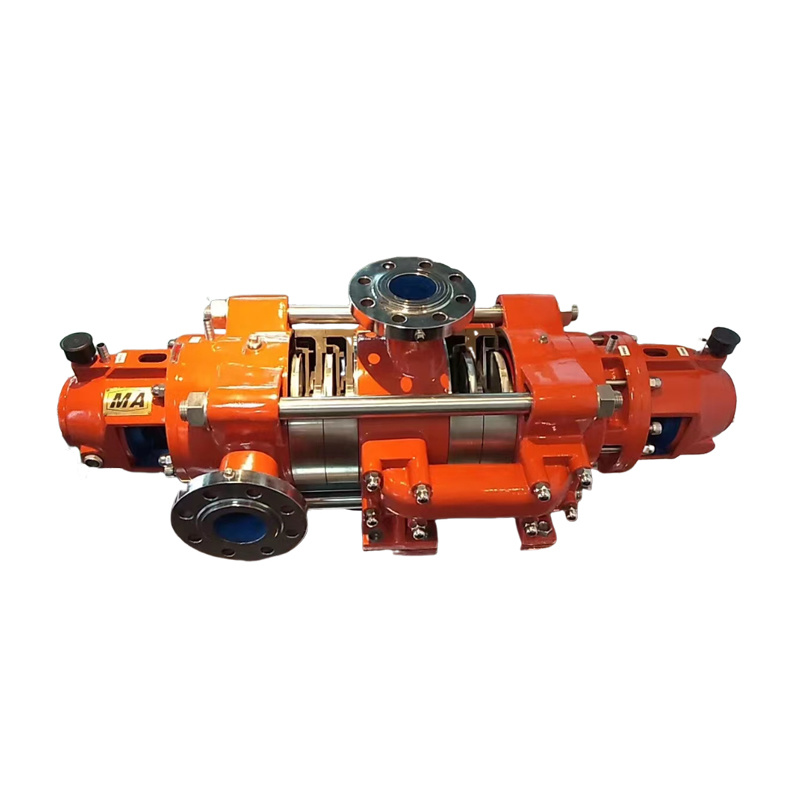
Multistage pumps are designed to increase the pressure of fluids by using multiple impellers, or stages, within a single pump casing. Each stage contributes to the overall pressure boost, making these pumps particularly effective for applications that require high head and flow rates. They are commonly utilized in water supply systems, power plants, chemical processing, and other industrial processes where fluid needs to be transported over long distances or against significant pressure.
One of the primary advantages of multistage pumps is their efficiency. By distributing the workload across multiple impellers, they can operate at higher efficiencies than single-stage pumps. This efficiency translates into lower energy consumption, which can substantially reduce operational costs over time. The ability to handle a variety of fluids, including clean water, corrosive liquids, and slurries, further enhances their versatility in industrial applications.
When selecting a multistage pump, several key factors should be considered. The first is the required flow rate and total dynamic head (TDH). Understanding the system's requirements ensures that the selected pump can meet the operational demands without overworking the equipment. It's also important to consider the material construction of the pump, especially when dealing with corrosive or abrasive fluids. The choice of materials can impact not only the pump's longevity but also its maintenance requirements.
Another critical aspect is the pump's NPSH (Net Positive Suction Head) requirements. Multistage pumps are sensitive to cavitation, which can occur if the NPSH available is lower than the NPSH required by the pump. Ensuring adequate NPSH is crucial to maintaining pump performance and avoiding damage.
In terms of maintenance, multistage pumps require regular inspection and servicing to ensure optimal performance. This includes checking for wear on the impellers and other components, monitoring vibration levels, and ensuring that the seals are intact. Proactive maintenance practices can prevent unexpected downtime and extend the lifespan of the pump.
Finally, multistage pumps can be integrated with various control systems to optimize performance further. Variable frequency drives (VFDs) allow for precise control over pump speed, enhancing energy efficiency and adapting to changing operational needs. This capability is particularly beneficial in systems with fluctuating demands, ensuring that the pump operates at its best efficiency point.
In conclusion, multistage pumps are critical components in industrial applications where high pressure and flow rates are essential. By understanding their design, efficiency, material selection, and maintenance requirements, professionals can make informed decisions that enhance operational effectiveness and reduce costs.
One of the primary advantages of multistage pumps is their efficiency. By distributing the workload across multiple impellers, they can operate at higher efficiencies than single-stage pumps. This efficiency translates into lower energy consumption, which can substantially reduce operational costs over time. The ability to handle a variety of fluids, including clean water, corrosive liquids, and slurries, further enhances their versatility in industrial applications.
When selecting a multistage pump, several key factors should be considered. The first is the required flow rate and total dynamic head (TDH). Understanding the system's requirements ensures that the selected pump can meet the operational demands without overworking the equipment. It's also important to consider the material construction of the pump, especially when dealing with corrosive or abrasive fluids. The choice of materials can impact not only the pump's longevity but also its maintenance requirements.
Another critical aspect is the pump's NPSH (Net Positive Suction Head) requirements. Multistage pumps are sensitive to cavitation, which can occur if the NPSH available is lower than the NPSH required by the pump. Ensuring adequate NPSH is crucial to maintaining pump performance and avoiding damage.
In terms of maintenance, multistage pumps require regular inspection and servicing to ensure optimal performance. This includes checking for wear on the impellers and other components, monitoring vibration levels, and ensuring that the seals are intact. Proactive maintenance practices can prevent unexpected downtime and extend the lifespan of the pump.
Finally, multistage pumps can be integrated with various control systems to optimize performance further. Variable frequency drives (VFDs) allow for precise control over pump speed, enhancing energy efficiency and adapting to changing operational needs. This capability is particularly beneficial in systems with fluctuating demands, ensuring that the pump operates at its best efficiency point.
In conclusion, multistage pumps are critical components in industrial applications where high pressure and flow rates are essential. By understanding their design, efficiency, material selection, and maintenance requirements, professionals can make informed decisions that enhance operational effectiveness and reduce costs.
PREVIOUS:
Contact Us
E-mail :
liu@cnpumpmade.com
WhatsApp:
+8615028256698
Address:
Nanyang Industrial Park, Shifo Town, Anguo City, Hebei Province, China


Leave Your Message