To provide high-quality Water pump products for global customers.


Understanding Gravel Pumps: Key Insights for Industrial Applications
Jul 05,2026
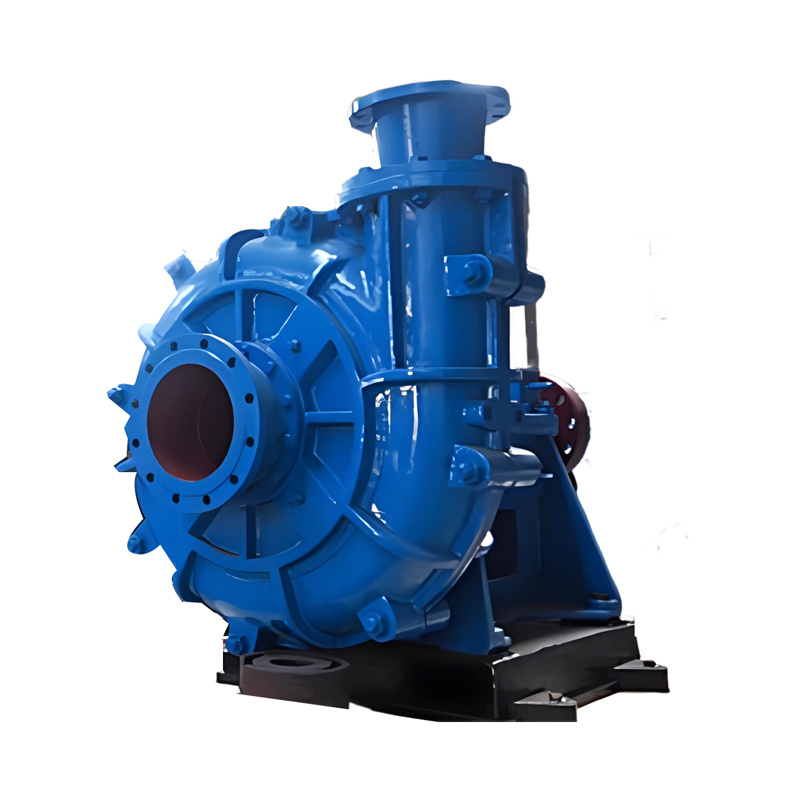
Gravel pumps are specialized equipment designed for handling abrasive materials, particularly gravel, sand, and slurry mixtures. These pumps are crucial in various industrial applications, including mining, dredging, and construction. Understanding the functionality and benefits of gravel pumps can greatly enhance operational efficiency and project success in environments where traditional pumps may fall short.
One of the primary characteristics of gravel pumps is their ability to manage high solids content. Unlike standard pumps, which may become clogged or damaged when dealing with abrasive substances, gravel pumps are engineered with robust materials and designs that enable them to handle the wear and tear associated with transporting such materials. This makes them ideal for operations that require the movement of aggregates or sediments over long distances or through challenging terrains.
The operational principle of a gravel pump typically involves a centrifugal design, where the kinetic energy generated by the impeller is converted into hydraulic energy, allowing for the effective movement of heavy materials. The impeller's design is crucial; it is usually larger and more robust than those found in conventional pumps, providing the necessary force to lift and transport heavy gravel slurries. Additionally, gravel pumps often feature a wider inlet and outlet to accommodate larger particle sizes, further enhancing their efficiency in handling gravel.
In terms of maintenance, gravel pumps require regular inspections and servicing to ensure optimal performance. Given their exposure to harsh conditions and abrasive materials, it is essential to monitor components such as the impeller, casing, and seals for signs of wear. Implementing a proactive maintenance strategy can significantly extend the lifespan of the pump and minimize unexpected downtime.
Moreover, gravel pumps can be equipped with various options to enhance their functionality, including variable speed drives, which allow operators to adjust the pump’s performance based on specific project needs. This flexibility enables better control over the flow rate and pressure, ensuring that the pump operates efficiently under varying loads and material types.
In conclusion, gravel pumps are indispensable in industries where the movement of abrasive materials is necessary. By understanding their operational principles, maintenance needs, and adaptable features, professionals can make informed decisions that lead to more efficient operations. Whether in mining, construction, or dredging, the right gravel pump can significantly impact productivity and project outcomes, making technical knowledge of these pumps essential for industry professionals.
One of the primary characteristics of gravel pumps is their ability to manage high solids content. Unlike standard pumps, which may become clogged or damaged when dealing with abrasive substances, gravel pumps are engineered with robust materials and designs that enable them to handle the wear and tear associated with transporting such materials. This makes them ideal for operations that require the movement of aggregates or sediments over long distances or through challenging terrains.
The operational principle of a gravel pump typically involves a centrifugal design, where the kinetic energy generated by the impeller is converted into hydraulic energy, allowing for the effective movement of heavy materials. The impeller's design is crucial; it is usually larger and more robust than those found in conventional pumps, providing the necessary force to lift and transport heavy gravel slurries. Additionally, gravel pumps often feature a wider inlet and outlet to accommodate larger particle sizes, further enhancing their efficiency in handling gravel.
In terms of maintenance, gravel pumps require regular inspections and servicing to ensure optimal performance. Given their exposure to harsh conditions and abrasive materials, it is essential to monitor components such as the impeller, casing, and seals for signs of wear. Implementing a proactive maintenance strategy can significantly extend the lifespan of the pump and minimize unexpected downtime.
Moreover, gravel pumps can be equipped with various options to enhance their functionality, including variable speed drives, which allow operators to adjust the pump’s performance based on specific project needs. This flexibility enables better control over the flow rate and pressure, ensuring that the pump operates efficiently under varying loads and material types.
In conclusion, gravel pumps are indispensable in industries where the movement of abrasive materials is necessary. By understanding their operational principles, maintenance needs, and adaptable features, professionals can make informed decisions that lead to more efficient operations. Whether in mining, construction, or dredging, the right gravel pump can significantly impact productivity and project outcomes, making technical knowledge of these pumps essential for industry professionals.
PREVIOUS:
Contact Us
E-mail :
liu@cnpumpmade.com
WhatsApp:
+8615028256698
Address:
Nanyang Industrial Park, Shifo Town, Anguo City, Hebei Province, China


Leave Your Message