To provide high-quality Water pump products for global customers.


The Impact of Pump Design on Multistage Pump Performance: Maximizing Efficiency in Industrial Applications
Jul 04,2026
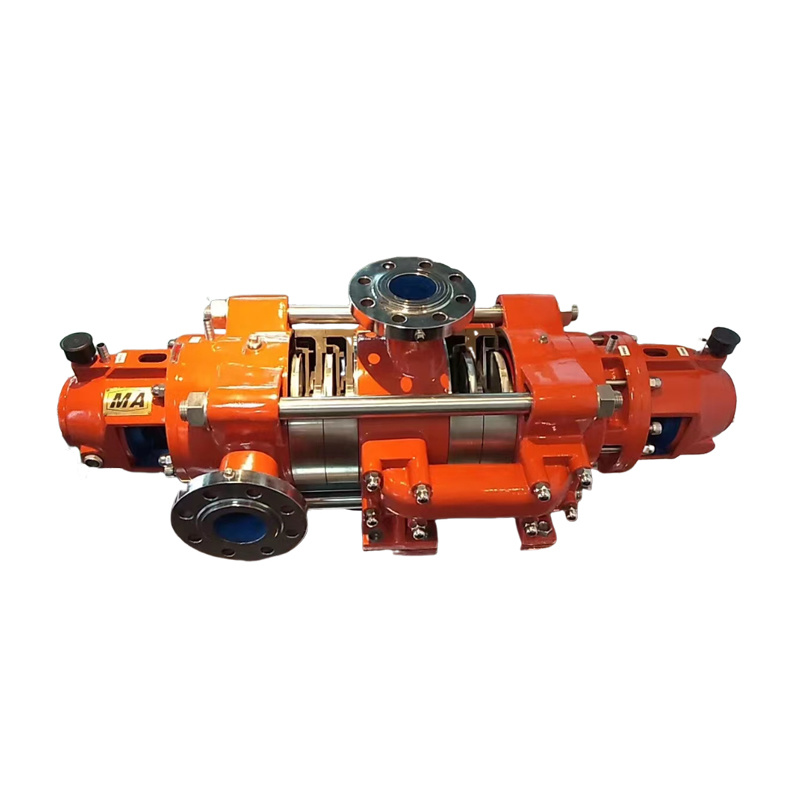
The Impact of Pump Design on Multistage Pump Performance
Multistage pumps are essential components in various industrial applications, from water treatment plants to petrochemical facilities. Their ability to generate high pressure and move fluids efficiently makes them invaluable assets in many sectors. However, the performance of these pumps heavily depends on their design. This article delves into how pump design affects multistage pump performance, breaking down the critical elements that contribute to efficiency and reliability.
Understanding Multistage Pumps
What is a Multistage Pump?
A multistage pump consists of multiple impellers or stages, which work together to increase fluid pressure and elevate the fluid to a desired height. Each stage contributes to the overall pressure gain, making multistage pumps suitable for applications requiring high-pressure delivery.
Applications of Multistage Pumps
Multistage pumps are widely used in industries such as:
- Water supply and treatment
- Oil and gas extraction
- Chemical processing
- HVAC systems
- Fire protection systems
Their versatility in handling various fluids, including corrosive and viscous materials, further enhances their popularity.
The Importance of Pump Design
How Design Influences Performance
The design of a multistage pump directly impacts its efficiency, reliability, and longevity. Factors such as impeller shape, material selection, and stage configuration play crucial roles in determining how well the pump performs under specific conditions.
Key Design Elements of Multistage Pumps
1. **Impeller Design**: The shape and size of the impeller blades significantly influence the flow rate and pressure head. Well-designed impellers minimize turbulence and maximize energy transfer, leading to improved efficiency.
2. **Stage Configuration**: The arrangement of stages affects how the pump builds pressure. A carefully calculated stage configuration can help optimize energy use and ensure consistent performance.
3. **Material Selection**: The materials used in the construction of a pump determine its resistance to corrosion, wear, and fatigue. Choosing the right materials is vital, especially in harsh operating environments.
4. **Suction and Discharge Nozzle Design**: The nozzle design impacts the flow pattern entering and exiting the pump. Optimized nozzles reduce losses and enhance overall efficiency.
Factors Affecting Multistage Pump Performance
Fluid Properties
The properties of the fluid being pumped—such as viscosity, temperature, and chemical composition—can significantly affect pump performance. High-viscosity fluids require more energy to pump, while corrosive fluids may necessitate specialized materials to prevent degradation.
Operating Conditions
Multistage pumps must operate efficiently under varying conditions, including pressure fluctuations and temperature changes. Understanding the operational environment is essential for selecting the appropriate pump design.
Optimizing Multistage Pump Efficiency
Design Innovations for Enhanced Performance
Advancements in pump design technology have led to innovative solutions aimed at improving efficiency. These include:
1. **Computer-Aided Design (CAD)**: Utilizing CAD software allows for precise modeling of pump components, enabling designers to optimize shapes and configurations before manufacturing.
2. **Advanced Materials**: The introduction of composite materials and coatings can enhance wear resistance and reduce maintenance needs, contributing to longer pump life.
3. **Variable Frequency Drives (VFDs)**: Implementing VFDs allows for better control of pump speed, optimizing energy consumption based on real-time demand.
Regular Maintenance and Monitoring
To ensure optimal performance, regular maintenance and monitoring are essential. Implementing predictive maintenance techniques can help identify issues before they lead to pump failure, ensuring continuous operation and reducing downtime.
Cost Considerations in Pump Design
Initial Investment vs. Long-Term Savings
While high-quality pump designs may require a larger initial investment, they often lead to significant long-term savings through enhanced efficiency and reduced maintenance costs. Evaluating the total cost of ownership is crucial when selecting multistage pumps.
Return on Investment (ROI)
Investing in a well-designed multistage pump can yield substantial returns by improving process efficiency, increasing production capacity, and reducing energy consumption. Calculating ROI helps justify the investment and highlights the importance of quality design.
Environmental Impact of Pump Design
Energy Efficiency and Sustainability
With the increasing emphasis on sustainability, pump designs that prioritize energy efficiency contribute to reducing the carbon footprint of industrial operations. Selecting pumps that consume less energy not only lowers operating costs but also aligns with corporate sustainability goals.
Compliance with Environmental Regulations
Many industries face stringent environmental regulations governing emissions and waste management. Well-designed pumps that minimize leaks and reduce energy consumption can help companies comply with these regulations, avoiding potential fines and enhancing their reputation.
Future Trends in Pump Design
Smart Pump Technology
The integration of IoT (Internet of Things) technology into pump design is a growing trend. Smart pumps equipped with sensors can monitor performance in real-time, provide data analytics, and facilitate proactive maintenance strategies, ultimately enhancing efficiency and reliability.
3D Printing in Pump Manufacturing
The emergence of 3D printing technology allows for rapid prototyping and the creation of complex pump designs that were previously difficult to manufacture. This innovation can lead to custom solutions tailored to specific industrial needs.
FAQs About Multistage Pump Design and Performance
1. What factors should I consider when selecting a multistage pump?
Consider fluid properties, required pressure and flow rates, operating conditions, and specific application needs.
2. How can I maximize the efficiency of my multistage pump?
Regular maintenance, appropriate design selection, and using advanced technologies like VFDs can enhance efficiency.
3. Why is material selection crucial in pump design?
The right materials ensure resistance to corrosion, wear, and fatigue, impacting the pump's longevity and performance.
4. What is the role of impeller design in pump performance?
Impeller design affects flow rate and pressure, influencing overall efficiency and energy consumption.
5. How can smart technology improve multistage pump operation?
Smart technology allows for real-time monitoring, predictive maintenance, and enhanced efficiency through data analytics.
Conclusion
The design of multistage pumps is a critical factor influencing their performance in industrial applications. Understanding the relationship between pump design and operational efficiency allows industries to make informed decisions that optimize performance, reduce costs, and support sustainability initiatives. By prioritizing innovative design features, material selection, and regular maintenance, businesses can enhance the reliability and longevity of their multistage pumps, ensuring they meet the demands of modern industrial environments.
PREVIOUS:
Contact Us
E-mail :
liu@cnpumpmade.com
WhatsApp:
+8615028256698
Address:
Nanyang Industrial Park, Shifo Town, Anguo City, Hebei Province, China


Leave Your Message