To provide high-quality Water pump products for global customers.


Understanding Gravel Pumps: A Comprehensive Guide for Industrial Applications
Jun 25,2026
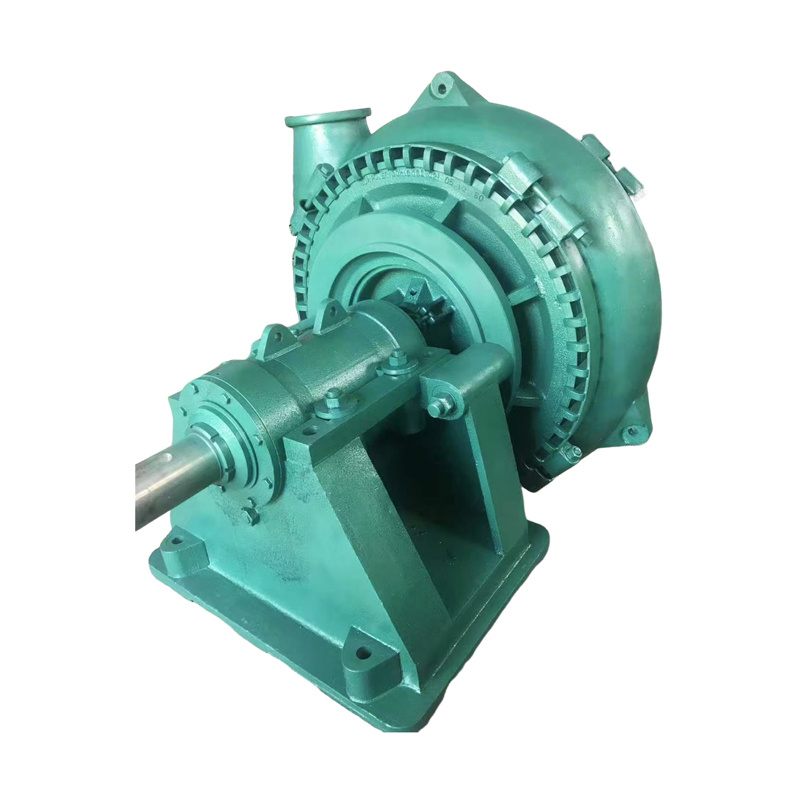
Gravel pumps are specialized hydraulic devices designed to transport high-density, abrasive materials such as gravel, sand, and slurry. These pumps are crucial in various industrial applications, including mining, dredging, and construction. Their unique design allows them to handle challenging materials that standard pumps may struggle with, making them a valuable asset in heavy-duty environments.
One of the defining features of a gravel pump is its construction. Typically, these pumps are built with robust materials to withstand wear and tear from abrasive materials. The impeller and casing are often made from high-chrome alloys or rubber, which enhance their durability and efficiency. Moreover, many gravel pumps utilize a centrifugal design, allowing them to generate significant pressure and flow rates, making them suitable for moving large volumes of material over extended distances.
In terms of operation, gravel pumps work by creating a vacuum that draws the material into the pump. The impeller then propels the material through the discharge pipe. It is important to select the correct pump size and configuration based on the specific application, as factors such as the type of material, the distance it needs to be transported, and the elevation change will affect the pump's performance.
When considering gravel pumps for industrial use, it is essential to evaluate several key parameters. First, assess the flow rate, which indicates how much material can be transported in a given time frame. Next, consider the total dynamic head (TDH), which measures the pump's ability to overcome vertical and friction losses in the system. Finally, the size and type of discharge pipe should be compatible with the pump to ensure optimal performance and avoid unnecessary wear.
Maintenance of gravel pumps is critical to their longevity and efficiency. Regular inspections should include checking for wear on the impeller and casing, ensuring that all seals are intact, and monitoring the bearings for any signs of damage. Additionally, keeping the pump clean from debris and ensuring proper lubrication can significantly extend its operational life.
In summary, gravel pumps play an essential role in industries that require the transportation of abrasive materials. By understanding their design, operation, and maintenance best practices, industrial professionals can ensure effective and efficient material handling in their operations. Whether you are involved in mining, construction, or any other field that necessitates the movement of gravel and slurry, investing in the right gravel pump solution is key to achieving successful outcomes.
One of the defining features of a gravel pump is its construction. Typically, these pumps are built with robust materials to withstand wear and tear from abrasive materials. The impeller and casing are often made from high-chrome alloys or rubber, which enhance their durability and efficiency. Moreover, many gravel pumps utilize a centrifugal design, allowing them to generate significant pressure and flow rates, making them suitable for moving large volumes of material over extended distances.
In terms of operation, gravel pumps work by creating a vacuum that draws the material into the pump. The impeller then propels the material through the discharge pipe. It is important to select the correct pump size and configuration based on the specific application, as factors such as the type of material, the distance it needs to be transported, and the elevation change will affect the pump's performance.
When considering gravel pumps for industrial use, it is essential to evaluate several key parameters. First, assess the flow rate, which indicates how much material can be transported in a given time frame. Next, consider the total dynamic head (TDH), which measures the pump's ability to overcome vertical and friction losses in the system. Finally, the size and type of discharge pipe should be compatible with the pump to ensure optimal performance and avoid unnecessary wear.
Maintenance of gravel pumps is critical to their longevity and efficiency. Regular inspections should include checking for wear on the impeller and casing, ensuring that all seals are intact, and monitoring the bearings for any signs of damage. Additionally, keeping the pump clean from debris and ensuring proper lubrication can significantly extend its operational life.
In summary, gravel pumps play an essential role in industries that require the transportation of abrasive materials. By understanding their design, operation, and maintenance best practices, industrial professionals can ensure effective and efficient material handling in their operations. Whether you are involved in mining, construction, or any other field that necessitates the movement of gravel and slurry, investing in the right gravel pump solution is key to achieving successful outcomes.
Contact Us
E-mail :
liu@cnpumpmade.com
WhatsApp:
+8615028256698
Address:
Nanyang Industrial Park, Shifo Town, Anguo City, Hebei Province, China


Leave Your Message