To provide high-quality Water pump products for global customers.


How to Size Multistage Pumps for Maximum Efficiency: A Comprehensive Guide
Jun 24,2026
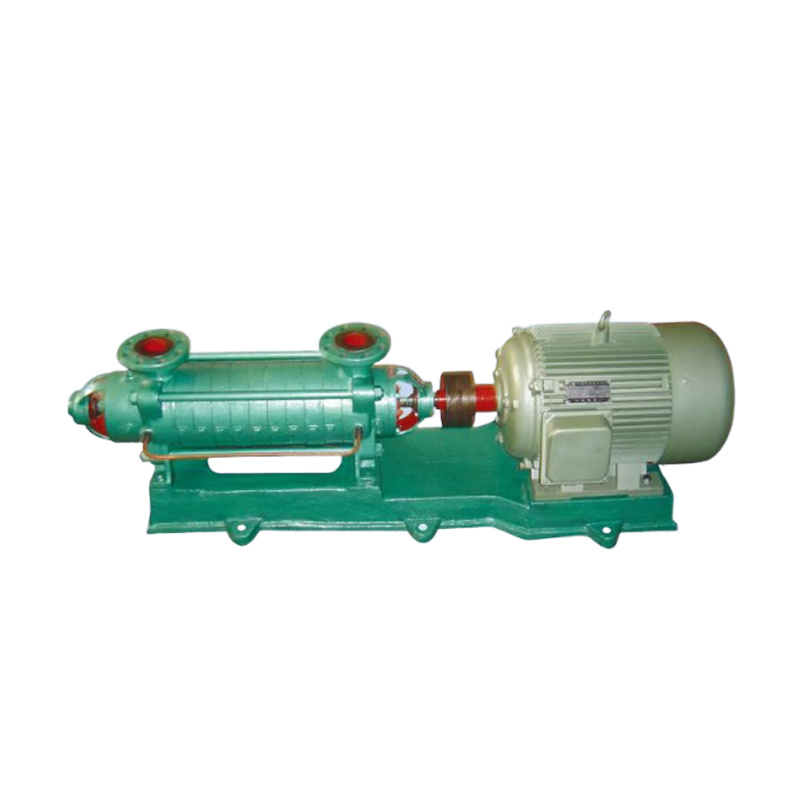
How to Size Multistage Pumps for Maximum Efficiency: A Comprehensive Guide
Table of Contents
- Understanding Multistage Pumps
- The Importance of Proper Sizing
- Key Factors in Sizing Multistage Pumps
- Calculating Flow Rate for Multistage Pumps
- Determining Head Requirements
- The Pump Selection Process
- Best Practices for Efficient Operation
- Common Mistakes to Avoid When Sizing Pumps
- Conclusion
- FAQs
Understanding Multistage Pumps
Multistage pumps are vital components in various industrial applications, providing increased pressure and flow rates for fluids. Unlike single-stage pumps, multistage pumps consist of multiple impellers and diffusers arranged in series, allowing them to achieve higher head capacities. These pumps are commonly used in water treatment, oil and gas, chemical processing, and other industries where efficient fluid movement is essential.
Types of Multistage Pumps
There are several types of multistage pumps, including horizontal, vertical, and submersible designs. Each type has its advantages and ideal applications. Horizontal multistage pumps are often used for high flow rates, while vertical pumps are suitable for installations where space is limited.
The Importance of Proper Sizing
Proper sizing of multistage pumps is critical for maximizing efficiency and ensuring system reliability. An incorrectly sized pump can lead to issues such as inadequate flow, excessive energy consumption, and premature equipment failure. By understanding the principles of pump sizing, professionals can make informed decisions that enhance operational performance.
Impacts of Incorrect Sizing
When pumps are too small, they may not meet the required flow rates, leading to operational inefficiencies. Conversely, oversized pumps can cause unnecessary energy expenditure and increased wear and tear on components. Therefore, achieving the right balance is crucial.
Key Factors in Sizing Multistage Pumps
Several factors influence the sizing of multistage pumps, including:
1. **Flow Rate Requirements**
This is the volume of fluid that needs to be moved per unit time, typically measured in gallons per minute (GPM) or liters per second (L/s). Accurate assessment of flow rate is fundamental to selecting the right pump.
2. **Total Dynamic Head (TDH)**
TDH is the total height that the pump must overcome to transport the fluid. It includes static lift, friction losses in pipes, and any additional pressure requirements for processes or systems.
3. **Fluid Properties**
Understanding the characteristics of the fluid being pumped, such as viscosity, density, and temperature, is essential. These properties can significantly affect pump performance and efficiency.
4. **System Configuration**
The layout of piping, the number of fittings and valves, and system elevation changes all contribute to the overall hydraulic performance. A well-designed system minimizes losses and optimizes pump efficiency.
Calculating Flow Rate for Multistage Pumps
Flow rate calculations are crucial for selecting the appropriate pump size. To determine the ideal flow rate, consider the following steps:
Step 1: Assess System Demand
Identify the maximum flow requirements of your system based on operational needs and usage patterns. Consult with process engineers or design specifications to understand peak demands.
Step 2: Measure Existing Flow Rates
If applicable, measure the existing flow rates in the system using flow meters. This data can help validate your calculations and inform sizing decisions.
Step 3: Combine Multiple Sources
In systems where multiple pumps or sources contribute to flow, ensure to aggregate the flow rates for accurate sizing.
Determining Head Requirements
To achieve optimal performance in multistage pumps, it's essential to calculate the Total Dynamic Head (TDH). This can be broken down into several components:
1. **Static Lift**
This is the vertical distance that fluid must be lifted from its source to the discharge point.
2. **Friction Losses**
Analyze the piping system to calculate friction losses caused by fluid movement through pipes, fittings, and valves. Use the Darcy-Weisbach equation or similar formulas for accurate calculations.
3. **Pressure Requirements**
Consider any pressure requirements dictated by the system or application, such as back pressure in a downstream process.
The Pump Selection Process
Once you have determined flow rate and TDH, the next step is selecting the right multistage pump.
Step 1: Consult Manufacturer Curves
Pump manufacturers provide performance curves that illustrate the relationship between flow rate and head for specific pump models. Use these curves to identify potential candidates that meet your requirements.
Step 2: Evaluate Efficiency Ratings
Select pumps with high efficiency ratings to minimize energy consumption. Look for pumps that operate efficiently within your required flow and head range.
Step 3: Consider Additional Features
Examine additional features such as material compatibility, ease of maintenance, and any specific design characteristics that may benefit your application.
Best Practices for Efficient Operation
To maintain maximum efficiency in multistage pumps, adopt the following best practices:
1. Regular Maintenance
Schedule routine inspections and maintenance to ensure all components are in optimal condition. Address any signs of wear or damage promptly.
2. Monitor Performance
Utilize flow meters and pressure gauges to continuously monitor pump performance. This allows for early detection of issues and enables timely corrective actions.
3. Optimize System Design
Design the piping system to minimize bends and fittings, thus reducing friction losses. A streamlined design can significantly enhance overall pump efficiency.
Common Mistakes to Avoid When Sizing Pumps
Avoid these frequent pitfalls to ensure accurate sizing of multistage pumps:
1. **Neglecting System Dynamics**
Overlooking the specifics of the system configuration can lead to significant inaccuracies in sizing.
2. **Ignoring Fluid Properties**
Failing to account for variations in fluid characteristics can lead to inefficiencies and operational failures.
3. **Relying Solely on Manufacturer Recommendations**
While manufacturer guidance is helpful, it’s crucial to conduct your own analyses based on your specific system requirements.
Conclusion
Sizing multistage pumps for maximum efficiency is a critical aspect of industrial operations that can significantly impact performance and cost. By thoroughly understanding flow rate requirements, head calculations, and system dynamics, professionals can make informed decisions that enhance reliability and efficiency. Regular maintenance, performance monitoring, and avoiding common sizing mistakes further contribute to optimal pump operation. With the right knowledge and practices, you can achieve superior results in your applications.
Frequently Asked Questions
1. What is the main purpose of a multistage pump?
Multistage pumps are designed to provide high pressure and flow rates for various industrial applications.
2. How do I calculate the Total Dynamic Head for my system?
TDH is calculated by adding the static lift, friction losses, and any additional pressure requirements.
3. What happens if my pump is incorrectly sized?
An incorrectly sized pump can lead to inadequate flow, excessive energy consumption, and premature equipment failure.
4. How often should I perform maintenance on my multistage pump?
Regular maintenance should be conducted based on the manufacturer's recommendations, typically every 6 to 12 months.
5. Can I adjust the size of my pump after installation?
While adjustments can be made, it’s generally more effective to size the pump correctly from the beginning to avoid efficiency losses and unnecessary costs.
By following this guide, you can ensure that your multistage pumps are sized correctly, operated efficiently, and maintained effectively, thus optimizing overall system performance.
PREVIOUS:
Contact Us
E-mail :
liu@cnpumpmade.com
WhatsApp:
+8615028256698
Address:
Nanyang Industrial Park, Shifo Town, Anguo City, Hebei Province, China


Leave Your Message