To provide high-quality Water pump products for global customers.


Key Factors Influencing the Lifespan of Your Gravel Pump: Essential Insights for Optimal Performance
Apr 22,2026
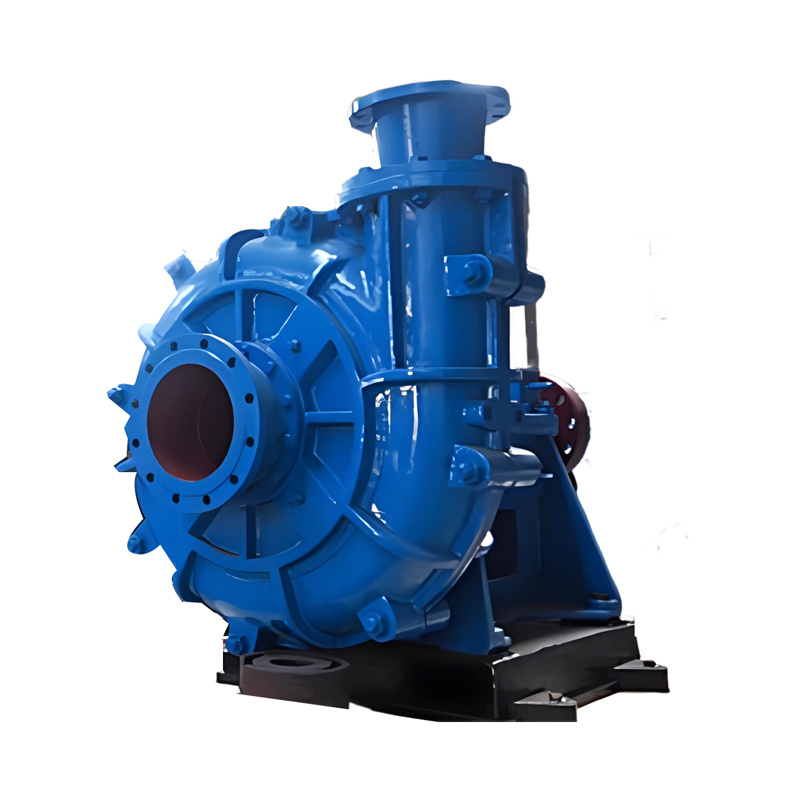
Key Factors Influencing the Lifespan of Your Gravel Pump
Table of Contents
- Introduction to Gravel Pumps
- Importance of Understanding Lifespan Factors
- 1. Design and Engineering of Gravel Pumps
- 2. Materials Used in Gravel Pump Construction
- 3. Regular Maintenance Practices
- 4. Operational Conditions and Their Impact
- 5. Proper Installation Techniques
- 6. Environmental Factors Affecting Gravel Pumps
- 7. Technological Advances in Gravel Pump Design
- Conclusion: Maximizing Your Gravel Pump's Lifespan
- FAQs About Gravel Pump Lifespan
Introduction to Gravel Pumps
Gravel pumps are specialized industrial pumps designed for handling abrasive and corrosive materials, particularly in the mining, construction, and dredging industries. These pumps are engineered to transport gravel, slurry, and sediment efficiently. Understanding the factors that influence the lifespan of your gravel pump is essential for ensuring reliable operation and minimizing downtime.
Importance of Understanding Lifespan Factors
The lifespan of a gravel pump directly affects operational efficiency, maintenance costs, and overall productivity. By recognizing the key factors that contribute to wear and tear, operators can implement strategies to enhance durability and performance. In this article, we will explore various aspects that can significantly influence the longevity of your gravel pump.
1. Design and Engineering of Gravel Pumps
The design of a gravel pump plays a pivotal role in its efficiency and longevity. Several engineering factors contribute to the overall performance:
1.1 Pump Configuration
Gravel pumps come in various configurations, each designed for specific applications. Generally, the centrifugal pump design is prevalent due to its ability to handle high flow rates. Understanding the right configuration for your specific tasks can prevent undue stress on the pump.
1.2 Impeller Design
The impeller is a crucial component of a gravel pump. Its shape, size, and material can significantly affect how efficiently the pump operates and how long it lasts. A well-designed impeller can minimize turbulence and enhance flow efficiency.
2. Materials Used in Gravel Pump Construction
The choice of materials influences both the durability and performance of gravel pumps. Various materials are used based on the application and expected wear and tear:
2.1 High Chrome Alloys
Many gravel pumps use high chrome alloys, which provide excellent resistance to abrasion and corrosion. This material choice can significantly extend the lifespan of the pump components.
2.2 Rubber Linings
For applications involving highly abrasive materials, pumps may feature rubber linings. These linings can absorb shock and reduce wear on the pump components, further enhancing durability.
3. Regular Maintenance Practices
Routine maintenance is crucial for prolonging the life of any industrial equipment, including gravel pumps. Implementing a systematic maintenance schedule can help identify and rectify potential issues early on.
3.1 Scheduled Inspections
Regular inspections should include checking the alignment of the pump, condition of the bearings, and examining for signs of wear on the impeller and casing. Early detection of issues can prevent catastrophic failures.
3.2 Lubrication
Proper lubrication is vital for the smooth operation of the pump. Ensure that bearings and other moving parts are adequately lubricated to minimize friction and wear.
4. Operational Conditions and Their Impact
The environment in which a gravel pump operates significantly affects its lifespan. Factors such as temperature, pressure, and the nature of the material being pumped can exert stresses on the pump.
4.1 Flow Rate and Pressure
Operating a pump beyond its recommended flow rate or pressure can lead to premature wear. It's essential to follow manufacturer guidelines to maintain optimal operating conditions.
4.2 Material Composition
The composition of the materials being pumped can dramatically affect wear rates. Pumps handling larger, sharper gravel particles will experience more wear compared to those transporting finer materials.
5. Proper Installation Techniques
The initial installation of a gravel pump is critical for its long-term performance. Poor installation can lead to misalignment and excessive strain on components.
5.1 Foundation and Mounting
A stable foundation is necessary to absorb vibrations and prevent misalignment. Ensure that the pump is securely mounted and all connections are properly sealed to avoid leaks.
5.2 Piping and Valves
Properly sized and aligned piping is essential for optimal performance. Ensure that all valves are operational and free from blockages, which can impede flow and contribute to wear.
6. Environmental Factors Affecting Gravel Pumps
External environmental factors can impact the lifespan of your gravel pump. Understanding these factors can help in anticipating potential challenges.
6.1 Temperature Fluctuations
Extreme temperature changes can affect the materials used in the pump. It is essential to select pumps rated for the specific temperature ranges of your operating environment.
6.2 Humidity and Corrosion
In humid environments, corrosion becomes a significant concern. Utilize corrosion-resistant materials and coatings to enhance the longevity of your pump components.
7. Technological Advances in Gravel Pump Design
Recent advancements in technology have led to innovative designs that enhance the lifespan of gravel pumps.
7.1 Smart Monitoring Systems
Implementing smart monitoring systems can provide real-time data on pump performance, enabling proactive maintenance and reducing the risk of unexpected failures.
7.2 Enhanced Material Science
The development of new composite materials offers improved resistance to wear and corrosion, further extending the lifespan of gravel pumps.
Conclusion: Maximizing Your Gravel Pump's Lifespan
Understanding the key factors influencing the lifespan of your gravel pump is essential for optimizing its performance and reliability. By focusing on the design, materials, maintenance, operational conditions, installation techniques, environmental factors, and embracing technological advancements, you can significantly enhance the longevity of your pump. Regular attention to these elements will ensure your gravel pump operates efficiently and effectively, minimizing downtime and repair costs.
FAQs About Gravel Pump Lifespan
1. How often should I perform maintenance on my gravel pump?
Regular maintenance should be conducted every few months, but frequency may vary based on usage and operating conditions.
2. What are the signs that my gravel pump needs repair?
Common signs include unusual noises, decreased performance, leaks, or visible wear on components.
3. Can I use a gravel pump for other materials?
While gravel pumps are designed for abrasive materials, consult the manufacturer for specific applications to avoid damage.
4. How do I select the right gravel pump for my needs?
Consider factors such as the type of material being pumped, flow rate, pressure requirements, and the operating environment.
5. What materials should I choose for a gravel pump in a corrosive environment?
Opt for high chrome alloys or specially coated components designed to resist corrosion for enhanced durability in harsh environments.
Contact Us
E-mail :
liu@cnpumpmade.com
WhatsApp:
+8615028256698
Address:
Nanyang Industrial Park, Shifo Town, Anguo City, Hebei Province, China


Leave Your Message