To provide high-quality Water pump products for global customers.


The Science Behind Double Suction Pump Performance: Unveiling Optimal Efficiency and Reliability
Sep 04,2026
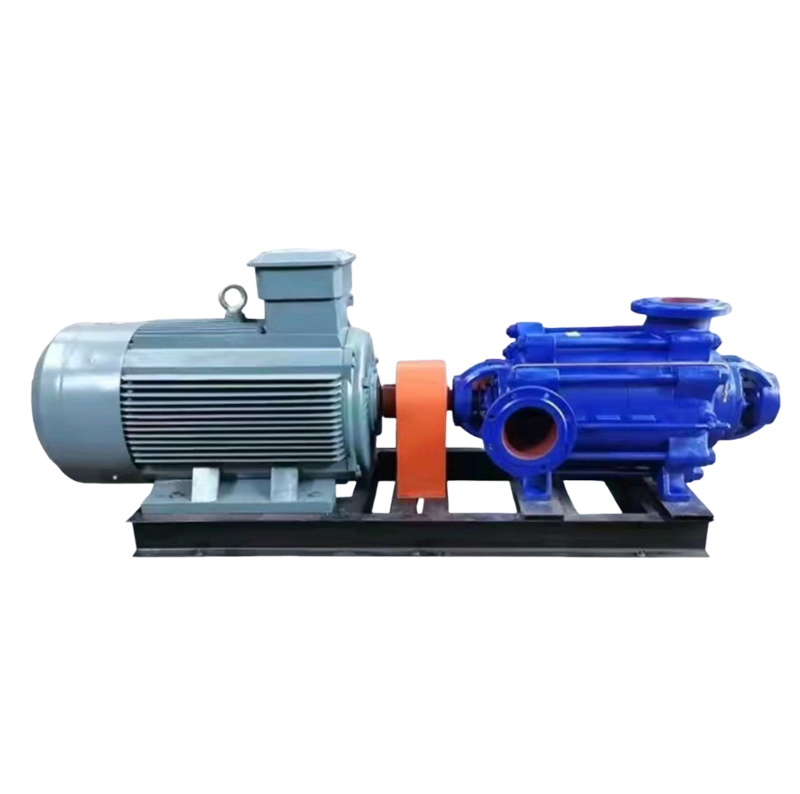
The Science Behind Double Suction Pump Performance
Understanding Double Suction Pumps: An Overview
Double suction pumps are pivotal in various industries, offering enhanced performance and efficiency over traditional single-suction designs. These pumps derive their name from the dual suction impellers, which allow for a more balanced and efficient flow of fluids. This section delves into the fundamental principles that govern the operation of double suction pumps.
The Basic Principle of Operation
Double suction pumps operate by drawing liquid from both sides of the impeller. This design not only allows for a larger flow rate but also reduces the axial thrust on the pump shaft. By minimizing thrust, the pump operates more smoothly and with less wear on components, extending the lifespan of the unit.
Key Components of a Double Suction Pump
To understand the performance of double suction pumps, one must familiarize themselves with the key components that contribute to their function:
1. **Impellers**: The heart of the pump, where kinetic energy is imparted to the fluid.
2. **Volute Casing**: This component directs the flow from the impeller to the discharge piping, optimizing pressure build-up.
3. **Suction Inlets**: These openings allow fluid to enter the pump, and their placement is crucial for maximizing efficiency.
4. **Shaft and Bearings**: Essential for supporting the impellers and facilitating rotation, ensuring smooth operation.
Advantages of Double Suction Pumps
Enhanced Flow Capacity
One of the primary benefits of double suction pumps is their ability to handle higher flow rates compared to single suction designs. This capability makes them an ideal choice for applications requiring significant volumes of liquid, such as water supply systems and industrial processes.
Reduced Vibration and Noise
The balanced impeller design of double suction pumps results in reduced vibration levels, leading to quieter operation. This feature not only enhances workplace comfort but also minimizes wear and tear on pump components.
Improved Efficiency and Energy Savings
By allowing for a more uniform flow distribution and reducing hydraulic losses, double suction pumps often achieve greater energy efficiency. This translates to lower operational costs and reduced environmental impact, making them a smart choice for sustainable industrial practices.
Applications of Double Suction Pumps
Double suction pumps are versatile and can be employed in various sectors, including:
- **Water and Wastewater Management**: Used in treatment facilities and municipal water supply.
- **Power Generation**: Essential for cooling water systems in power plants.
- **Irrigation Systems**: Effective in agricultural applications where large volumes of water are needed.
- **Industrial Processes**: Employed in manufacturing sectors requiring reliable fluid transfer.
Case Study: Double Suction Pumps in Water Treatment
In a typical water treatment plant, double suction pumps are utilized to move large volumes of water from reservoirs to treatment facilities. Their efficiency in handling varying flow rates and pressures ensures consistent water supply, critical for meeting municipal demands.
Factors Influencing Double Suction Pump Performance
Understanding the factors that affect the performance of double suction pumps is essential for optimizing their operation. Here are the key considerations:
Flow Rate and Pressure
The design parameters of a double suction pump are closely linked to the intended flow rate and pressure. Properly matching pump specifications to system requirements is crucial for optimal performance.
Fluid Properties
The type of fluid being pumped—including its viscosity, temperature, and chemical composition—can significantly impact pump performance. For instance, viscous fluids may require a pump with a different design to maintain efficiency.
Operating Conditions
Environmental factors such as temperature, humidity, and altitude can also affect pump operation. Understanding and adapting to these conditions can enhance pump reliability and efficiency.
Maintenance Recommendations for Optimal Performance
To ensure long-lasting performance of double suction pumps, regular maintenance is critical. Here are some best practices:
Routine Inspections
Conducting periodic inspections can help identify potential issues before they escalate. Check for leaks, unusual vibrations, and abnormal sounds.
Lubrication of Bearings
Proper lubrication of bearings is essential to reduce friction and wear. Follow manufacturer guidelines for lubrication intervals and types of lubricants.
Impeller Cleaning
Ensuring that impellers are free from debris and buildup is vital for maintaining efficiency. Regular cleaning helps prevent cavitation and performance degradation.
Common Troubleshooting Tips
When faced with pump performance issues, consider these troubleshooting tips:
1. **Low Flow Rate**: Check for blockages in suction lines or impellers.
2. **Excessive Vibration**: Inspect alignment and mounting conditions.
3. **Overheating**: Validate lubrication levels and bearing conditions.
Future Trends in Double Suction Pump Technology
As industries evolve, so do the technologies behind double suction pumps. Future advancements may include:
- **Smart Monitoring Systems**: Utilizing IoT technology for real-time performance tracking and predictive maintenance.
- **Sustainable Materials**: Developing pumps using environmentally friendly materials to reduce carbon footprints.
- **Enhanced Design Features**: Innovations aimed at further improving efficiency and reducing maintenance needs.
Frequently Asked Questions (FAQs)
What is the primary advantage of double suction pumps over single suction pumps?
The main advantage lies in their capacity to handle higher flow rates with reduced axial thrust, leading to smoother operation and longer lifespan.
Can double suction pumps be used for corrosive fluids?
Yes, but it is essential to select materials that are compatible with the specific corrosive properties of the fluid being pumped.
How often should double suction pumps be maintained?
Routine maintenance should be performed at least annually, with more frequent inspections recommended for high-use applications.
What are the signs of a failing double suction pump?
Signs include unusual noise, fluctuating flow rates, and excessive vibration. Early detection is crucial for preventing catastrophic failures.
Are double suction pumps energy-efficient?
Yes, they are generally more energy-efficient than single suction pumps, making them a cost-effective solution for many applications.
Conclusion
Double suction pumps are fundamental components in a variety of industrial applications, offering unmatched efficiency, reliability, and versatility. By understanding their design principles, operational advantages, and maintenance requirements, industries can leverage double suction pumps to optimize their processes and achieve superior performance. As technology continues to evolve, remaining abreast of innovations in pump design and operation will ensure that businesses maximize their investments and maintain competitive advantages in the marketplace. Investing in the knowledge of double suction pump performance can lead to significant operational benefits and enhanced productivity, making it a wise choice for any industrial application.
Contact Us
E-mail :
liu@cnpumpmade.com
WhatsApp:
+8615028256698
Address:
Nanyang Industrial Park, Shifo Town, Anguo City, Hebei Province, China


Leave Your Message