To provide high-quality Water pump products for global customers.


Understanding Multistage Pumps: Efficiency and Applications in Industrial Settings
Apr 21,2026
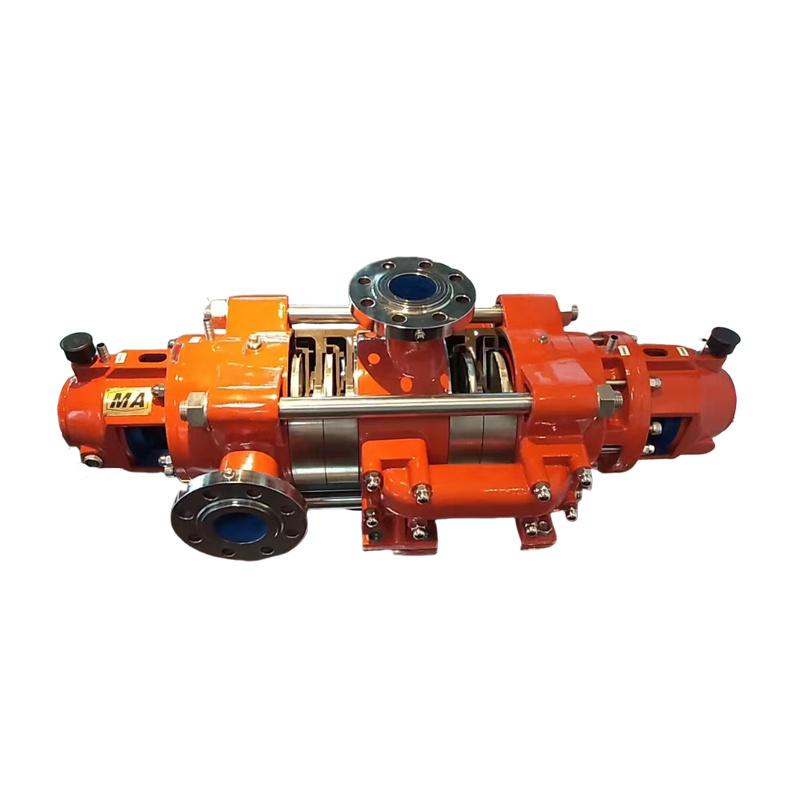
Multistage pumps are essential components in the field of industrial equipment, specifically within the pumping and vacuum systems sector. These specialized pumps are designed to handle the transportation of fluids at varying pressures and flow rates, making them a preferred choice for numerous applications.
At the core of a multistage pump's functionality is its unique design, which utilizes multiple impellers arranged in series. This configuration allows the pump to increase the pressure of the fluid incrementally with each stage. As a result, multistage pumps are capable of delivering high pressure outputs while maintaining a relatively low flow rate, which is advantageous in applications such as water supply, industrial processing, and oil and gas extraction.
One of the significant benefits of multistage pumps is their efficiency. By optimizing the energy required to move fluids, these pumps can significantly reduce operational costs. The design accommodates a wide range of fluid types, including clean water, chemicals, and even slurries, providing versatile solutions across various industries. Furthermore, the ability to achieve high pressure makes multistage pumps ideal for applications that require fluid to be transported over long distances or to elevated heights, such as in boiler feed systems or irrigation processes.
In terms of maintenance, multistage pumps are relatively straightforward to manage. Regular check-ups and routine maintenance can enhance the longevity and performance of these pumps. Common maintenance tasks include monitoring seals and bearings, ensuring that the pump is free from debris, and checking for any leaks or unusual noises during operation. Implementing preventive maintenance practices can help industrial facilities avoid costly downtimes and ensure consistent operation.
When considering a multistage pump for a specific application, it is crucial to evaluate factors such as the desired flow rate, required pressure, and the nature of the fluid being pumped. These aspects will help in selecting the right pump configuration and materials, ensuring optimal performance and efficiency.
In summary, multistage pumps offer a wide array of benefits for industrial applications, from their efficiency and versatility to their relatively low maintenance requirements. Understanding their operational principles can assist professionals in making informed decisions about the right pump for their specific needs, ultimately driving productivity and improving overall system performance. Whether you are involved in water treatment, chemical processing, or any industry that requires effective fluid transport, multistage pumps are integral to achieving operational excellence.
PREVIOUS:
Contact Us
E-mail :
liu@cnpumpmade.com
WhatsApp:
+8615028256698
Address:
Nanyang Industrial Park, Shifo Town, Anguo City, Hebei Province, China


Leave Your Message