To provide high-quality Water pump products for global customers.


How to Optimize the Performance of Your Gravel Pump: Expert Tips and Techniques
Apr 02,2026
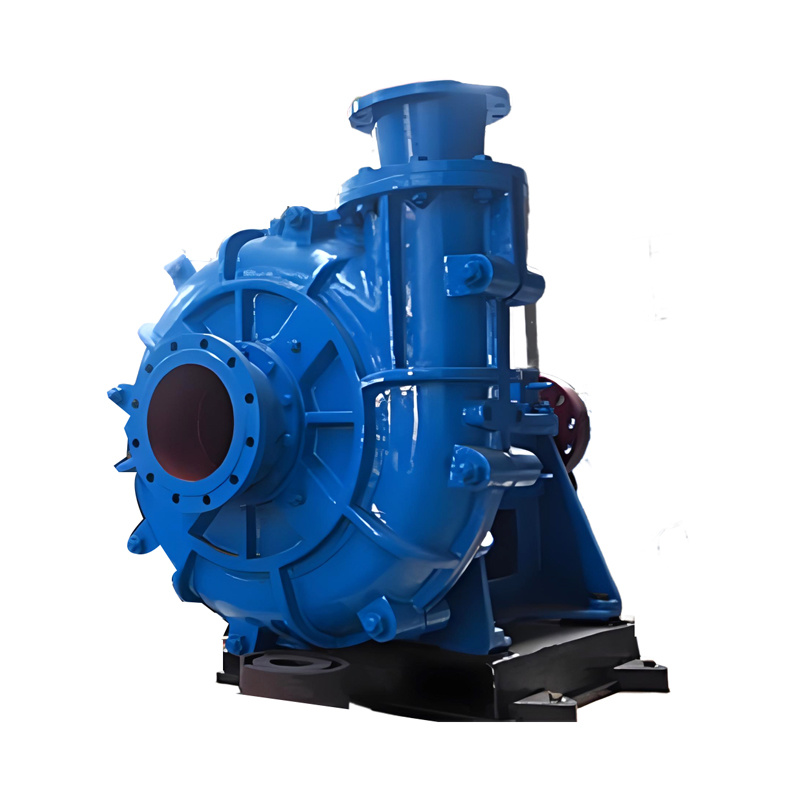
How to Optimize the Performance of Your Gravel Pump
Table of Contents
- 1. Understanding Gravel Pumps
- 2. Key Factors Affecting Gravel Pump Performance
- 3. Importance of Regular Maintenance
- 4. Selecting the Right Gravel Pump for Your Needs
- 5. Optimizing Your Gravel Pump Setup
- 6. Monitoring Pump Performance
- 7. Troubleshooting Common Gravel Pump Issues
- 8. Advanced Techniques for Gravel Pump Optimization
- 9. Frequently Asked Questions
- 10. Conclusion
1. Understanding Gravel Pumps
Gravel pumps, crucial in various industries such as construction, mining, and dredging, are designed to move abrasive slurries, including sand and gravel. They typically use centrifugal force to transport these materials efficiently. Understanding the mechanics of how gravel pumps operate is essential for optimizing their performance.
Most gravel pumps consist of a casing, impeller, and a wear plate, all of which must work in harmony to ensure effective operation. A gravel pump's design often includes a larger inlet and outlet compared to standard pumps, allowing for the passage of larger solids. This unique feature is what makes them particularly suited for handling heavy and abrasive materials.
2. Key Factors Affecting Gravel Pump Performance
Several factors can significantly impact the performance of your gravel pump, including:
2.1 Pump Design
The design of the gravel pump influences its efficiency. Look for pumps specifically engineered for gravel transport, as they often feature reinforced components that can withstand wear and tear.
2.2 Flow Rate
The flow rate is a critical parameter that affects pump performance. A pump that operates outside its optimal flow rate can suffer from cavitation, leading to reduced efficiency and lifespan.
2.3 Material Properties
The characteristics of the material being pumped, such as its particle size, density, and abrasiveness, can influence pump selection and performance. Choosing the right pump material that can handle specific material properties is essential for maintaining efficiency.
2.4 System Configuration
The layout of your pumping system, including pipe diameter, length, and fittings, plays a critical role in determining performance. Ensure smooth transitions and minimize bends in the piping to reduce friction losses.
3. Importance of Regular Maintenance
Regular maintenance is paramount to ensuring the long-term performance of your gravel pump. Establishing a consistent maintenance schedule can help identify potential issues before they escalate into costly repairs.
3.1 Routine Inspections
Conduct routine inspections to check for wear and tear on components such as impellers, casing, and seals. Early detection of issues can prevent significant downtime.
3.2 Lubrication
Proper lubrication is vital for the longevity of your gravel pump. Ensure that bearings and other moving parts are adequately lubricated according to the manufacturer's specifications.
3.3 Cleaning
Regularly clean the pump to remove any buildup of abrasive materials. Accumulations can hinder performance and lead to premature wear.
4. Selecting the Right Gravel Pump for Your Needs
Choosing the correct gravel pump for your specific application is crucial for optimizing performance. Consider the following when making your selection:
4.1 Application Requirements
Analyze the specific needs of your project. Will you be pumping heavy materials over long distances or dealing with varying flow rates? Understanding your application will help narrow down your options.
4.2 Pump Size and Capacity
Select a pump that matches the desired flow rate and head requirements. Oversized or undersized pumps can lead to inefficiencies.
4.3 Material Compatibility
Ensure that the materials used in the pump components are compatible with the materials being pumped. For instance, if you are handling highly abrasive materials, look for pumps made from hardened steel or rubber-lined options.
5. Optimizing Your Gravel Pump Setup
Once you have selected the right gravel pump, optimizing its setup is essential for peak performance. Consider the following factors:
5.1 Proper Alignment
Ensure that the pump is correctly aligned with the motor and piping. Misalignment can lead to vibration, wear, and inefficiency.
5.2 Suction and Discharge Piping
Design the suction and discharge piping to minimize pressure drops. Use wider pipes and fewer bends to maintain a smooth flow of material.
5.3 Pump Orientation
Depending on the application, the orientation of the pump can impact performance. Ensure that the pump is positioned correctly to allow for optimal material flow.
6. Monitoring Pump Performance
Monitoring the performance of your gravel pump is critical for identifying inefficiencies and preventing potential failures.
6.1 Performance Metrics
Establish key performance indicators (KPIs) such as flow rate, pressure, and energy consumption. Regularly track these metrics to identify trends and areas for improvement.
6.2 Use of Monitoring Technology
Leverage technology such as pressure gauges, flow meters, and vibration sensors to continuously monitor the pump's performance. This data can provide valuable insights into potential issues.
7. Troubleshooting Common Gravel Pump Issues
Despite your best efforts, issues can arise with gravel pumps. Here are some common problems and their solutions:
7.1 Cavitation
Cavitation occurs when vapor bubbles form in the pump due to low pressure. This condition can be mitigated by ensuring adequate suction head and avoiding prolonged operation at low flow rates.
7.2 Overheating
Overheating can be caused by insufficient lubrication or excessive load. Ensure that the pump is properly lubricated and operating within its design parameters.
7.3 Reduced Flow Rate
A reduced flow rate can result from blockages or wear. Inspect the impeller and piping for obstructions, and check for wear on the impeller blades.
8. Advanced Techniques for Gravel Pump Optimization
To take your gravel pump performance to the next level, consider implementing advanced optimization techniques:
8.1 Variable Frequency Drives (VFD)
Utilizing VFDs allows for precise control of the pump speed, enabling adjustments based on real-time conditions. This can improve energy efficiency and reduce wear on components.
8.2 Advanced Material Science
Invest in pumps made from advanced materials such as ceramic or composite materials, which offer superior wear resistance and longevity.
8.3 Automation and IoT Integration
Integrating Internet of Things (IoT) technology can enhance monitoring and control capabilities. Automated systems can optimize performance based on real-time data, providing significant efficiency gains.
9. Frequently Asked Questions
Q1: What is the best maintenance routine for a gravel pump?
A1: A good maintenance routine includes regular inspections, cleaning, lubrication, and timely replacement of worn parts.
Q2: How can I tell if my pump is cavitating?
A2: Signs of cavitation include excessive noise, vibration, and a drop in flow rate.
Q3: What materials are best suited for gravel pumps?
A3: Pumps made from hardened steel or rubber-lined materials are ideal for handling abrasive materials.
Q4: How do I optimize the flow rate of my gravel pump?
A4: Ensure proper alignment, reduce bends in piping, and select a pump that matches your application’s flow requirements.
Q5: Can automation improve the performance of gravel pumps?
A5: Yes, implementing automation can enhance monitoring, control, and efficiency, leading to improved performance.
10. Conclusion
Optimizing the performance of your gravel pump is essential for ensuring efficient operation and longevity. By understanding the intricacies of pump mechanics, maintaining a rigorous maintenance schedule, selecting the right pump for your application, and leveraging advanced technologies, you can significantly enhance your gravel pump's performance. Whether you are in construction, mining, or any industry that relies on gravel pumps, following these guidelines will position you for success. Make informed choices and implement best practices to keep your gravel pump operating at peak efficiency.
Contact Us
E-mail :
liu@cnpumpmade.com
WhatsApp:
+8615028256698
Address:
Nanyang Industrial Park, Shifo Town, Anguo City, Hebei Province, China


Leave Your Message