To provide high-quality Water pump products for global customers.


Understanding Multistage Pumps: A Comprehensive Guide for Industrial Applications
Apr 01,2026
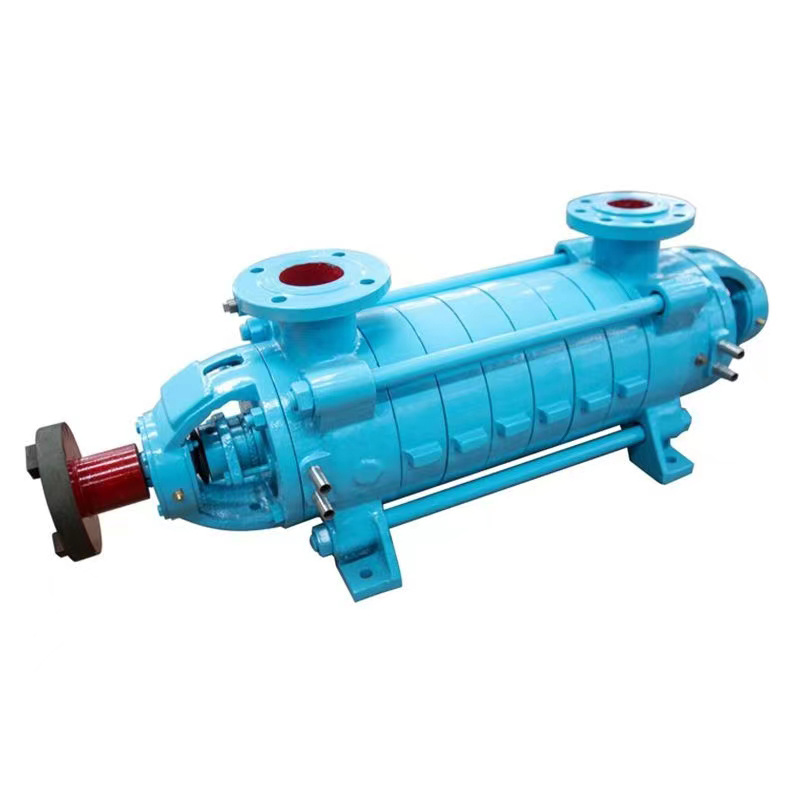
Multistage pumps are a critical component in various industrial applications, particularly where high pressure and flow rates are required. These pumps consist of multiple impellers or stages that work together to increase the pressure of the fluid being pumped. Each stage contributes to the total dynamic head, making multistage pumps ideal for applications such as water supply, irrigation, boiler feed, and chemical processing.
The fundamental operation of a multistage pump involves a series of impellers mounted on a single shaft. As the fluid enters the first stage, it is accelerated by the first impeller, which increases its velocity and pressure. The fluid then moves to the next stage, where it passes through a diffuser that converts the kinetic energy back into pressure. This process continues through subsequent stages, allowing the pump to achieve the required discharge pressure.
One of the primary advantages of multistage pumps is their ability to handle a wide range of flow rates and pressures. By adjusting the number of stages, operators can customize the pump's performance to meet specific application requirements. This versatility makes multistage pumps suitable for various industries, including municipal water treatment, oil and gas, and HVAC systems.
When selecting a multistage pump, several factors must be considered. First, the fluid's properties, such as viscosity and temperature, can significantly impact the pump's efficiency and performance. Additionally, the required flow rate and discharge pressure should be clearly defined to ensure the selected pump meets operational needs. Regular maintenance and inspection are also crucial to prolong the pump's lifespan and maintain optimal performance. Properly monitoring wear and tear, along with ensuring adequate lubrication, can prevent unexpected downtime and costly repairs.
In terms of installation, multistage pumps can be more complex compared to single-stage pumps. It is essential to adhere to proper alignment and piping practices to minimize vibrations and ensure efficient operation. Additionally, understanding the hydraulic characteristics, such as net positive suction head (NPSH), is vital to avoid cavitation, which can lead to significant damage.
In conclusion, multistage pumps play an indispensable role in many industrial processes requiring high pressure and flow. By understanding their operational principles, advantages, and selection criteria, professionals can make informed decisions that enhance their system's efficiency and reliability. Embracing the capabilities of multistage pumps can lead to optimized performance and successful outcomes in various applications.
Contact Us
E-mail :
liu@cnpumpmade.com
WhatsApp:
+8615028256698
Address:
Nanyang Industrial Park, Shifo Town, Anguo City, Hebei Province, China


Leave Your Message