To provide high-quality Water pump products for global customers.


The Cost-Effectiveness of Investing in Mobile Pump Trucks: A Comprehensive Guide
Mar 25,2026
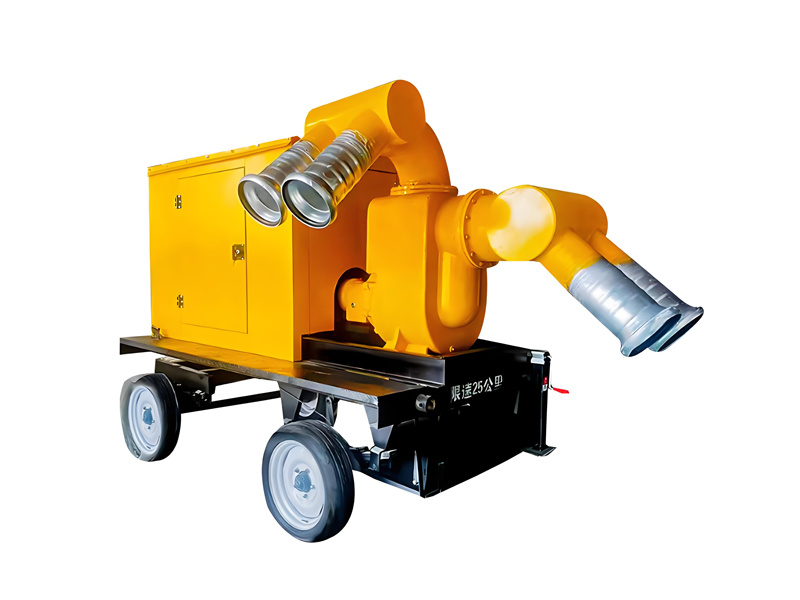
The Cost-Effectiveness of Investing in Mobile Pump Trucks
Mobile pump trucks have become a vital asset in various industries, particularly in construction, agriculture, and water management. Their ability to transport fluids efficiently makes them indispensable. In this detailed guide, we will explore the numerous benefits and financial implications of investing in mobile pump trucks, examining how they enhance operational efficiency, reduce costs, and contribute to a sustainable future.
Understanding Mobile Pump Trucks: An Overview
Mobile pump trucks are specialized vehicles equipped with pumps capable of transporting liquids. These trucks are versatile, serving multiple sectors, including waste management, oil and gas, and construction. Unlike stationary pumps, mobile pump trucks can be moved to different locations, allowing for flexibility and efficiency in operations.
The Components of Mobile Pump Trucks
A typical mobile pump truck comprises several critical components:
- **Pump System:** The heart of the mobile pump truck, responsible for moving fluids.
- **Tank:** A storage unit for holding liquids before they are pumped out.
- **Chassis:** The vehicle's structural frame, designed for rugged use.
- **Control System:** An interface that allows the operator to monitor and control pump functions.
Why Invest in Mobile Pump Trucks?
Investing in mobile pump trucks presents a variety of advantages, making them a cost-effective solution for businesses. Here, we delve into the primary reasons why these vehicles are worth the investment.
1. Operational Efficiency and Flexibility
One of the most significant advantages of mobile pump trucks is their operational efficiency. These trucks can be deployed quickly, minimizing downtime on job sites. Their flexibility allows companies to adapt to changing demands, providing services wherever needed without the need for extensive infrastructure.
2. Reduced Labor Costs
Mobile pump trucks can significantly reduce labor costs. By automating the pumping process, fewer personnel are required to operate machinery, freeing up staff for other critical tasks. This shift leads to increased productivity and cost savings over time.
3. Enhanced Safety Features
Modern mobile pump trucks come equipped with advanced safety features, such as automatic shut-off valves and pressure monitoring systems, which help prevent accidents and leaks. Investing in these safety measures can save companies from costly liabilities and enhance the overall safety of operations.
4. Environmental Benefits
Mobile pump trucks are often designed with eco-friendly features. They minimize waste and ensure proper disposal of hazardous materials, promoting environmental sustainability. Investing in these vehicles can improve a company's green credentials, making it more appealing to environmentally conscious clients.
The Financial Impact: Cost Analysis of Mobile Pump Trucks
Understanding the financial implications of investing in mobile pump trucks is essential for businesses. Here, we will conduct a detailed cost analysis, highlighting both initial investment and long-term savings.
Initial Investment Costs
The initial investment in a mobile pump truck can vary significantly based on several factors, including the truck's size, pump capacity, and additional features. Typically, businesses should expect to invest anywhere from $50,000 to over $150,000 for a quality mobile pump truck. This investment includes:
- **Purchase Price:** The cost of the truck and pump system.
- **Customization:** Additional modifications for specific operational needs.
- **Maintenance Equipment:** Tools and parts for maintaining the truck's optimal performance.
Long-Term Savings and ROI
While the initial investment may seem substantial, the long-term savings can be significant. Companies can expect to see a return on investment (ROI) within a few years due to:
- **Reduced Operational Costs:** Lower labor and maintenance expenses.
- **Increased Efficiency:** Faster service delivery and turnaround times.
- **Decreased Downtime:** Less frequent equipment failures and repairs.
Case Study: ROI from Mobile Pump Truck Investments
To illustrate the benefits, consider a hypothetical construction company that invests in a mobile pump truck for $100,000. By reducing labor costs by $20,000 annually and decreasing downtime by an estimated 15%, the company could see a complete return on its investment within five years.
Applications of Mobile Pump Trucks Across Industries
Mobile pump trucks have diverse applications, making them a valuable asset across multiple sectors. Below, we explore some of their most common uses.
1. Construction Projects
In construction, mobile pump trucks facilitate the transportation of water, concrete, and other fluids directly to the site. This capability allows for efficient project management and reduces the need for additional equipment.
2. Agricultural Uses
Farmers utilize mobile pump trucks for irrigation purposes. They can transport water to crops, ensuring optimal hydration and yield. This application can lead to increased crop production and reduced water waste through efficient delivery systems.
3. Environmental Services
In environmental services, mobile pump trucks are used for waste removal and hazardous material transport. Their ability to handle various fluids safely makes them ideal for managing spills or hazardous waste, protecting both the environment and public safety.
4. Oil and Gas Industry
The oil and gas industry benefits from mobile pump trucks for transporting and managing fluids in drilling operations. Their versatility allows for efficient management of both production and waste fluids, optimizing operational workflows.
Choosing the Right Mobile Pump Truck: Key Considerations
When considering an investment in a mobile pump truck, several critical factors must be taken into account to ensure the chosen vehicle meets your operational needs.
1. Determine Your Specific Needs
Understanding your business requirements is the first step. Assess the types of fluids you will be transporting, the necessary capacity, and the typical distance for transportation.
2. Evaluate Pump Capacity
Choose a pump truck with appropriate capacity. A higher flow rate can facilitate quicker job completion but may also come with increased operational costs. Balance your needs with budget considerations.
3. Consider Fuel Efficiency
Fuel costs can significantly impact your operational budget. Look for mobile pump trucks that offer better fuel efficiency, as they will provide long-term savings.
4. Maintenance and Support Services
Select a manufacturer that provides comprehensive support and maintenance services. Reliable support can enhance the longevity of your investment and minimize downtime.
Maintenance Tips for Mobile Pump Trucks
To ensure the longevity and efficiency of your mobile pump truck, regular maintenance is essential. Here are some tips for maintaining your investment:
1. Regular Inspections
Routine inspections can identify any potential issues before they escalate. Check the pump, tank, and chassis for signs of wear or damage.
2. Fluid Checks
Regularly check and change fluids as needed, including oil and coolant. Ensuring proper fluid levels is vital for maintaining performance.
3. Clean the Pump System
Debris and contaminants can affect pump efficiency. Regularly clean the pump system to ensure optimal performance.
4. Monitor Tire and Chassis Condition
Inspect the tires and chassis for wear and tear. Maintaining these components is crucial for safe and efficient operation.
Frequently Asked Questions (FAQs)
1. What types of fluids can mobile pump trucks transport?
Mobile pump trucks can transport a wide variety of fluids, including water, oil, sewage, and concrete. It's essential to choose a truck designed for the specific type of fluid you will be handling.
2. How do I know which mobile pump truck is right for my business?
Assess your operational needs, including the type of fluids, capacity requirements, and budget. Consulting with a supplier can provide additional insights into the best options for your specific application.
3. What are the maintenance costs associated with mobile pump trucks?
Maintenance costs vary depending on usage and the specific model. However, regular inspections, fluid changes, and minor repairs typically amount to a few thousand dollars annually.
4. Can mobile pump trucks be used in extreme weather conditions?
Yes, mobile pump trucks are designed for rugged conditions. However, operators should take precautions during extreme weather, such as ensuring proper fluid levels and monitoring safety features.
5. Are there financing options available for purchasing mobile pump trucks?
Many manufacturers and dealerships offer financing options to ease the burden of upfront costs. It's advisable to explore different financing plans to find the best fit for your budget.
Conclusion
Investing in mobile pump trucks presents a compelling case for businesses seeking to improve efficiency, reduce costs, and enhance operational flexibility. With their broad applications and significant long-term savings, mobile pump trucks are not just a purchase but a strategic investment in your business's future. As industries evolve and demands change, these versatile vehicles will continue to play a crucial role in fluid management across sectors, making them a wise choice for any forward-thinking organization.
Contact Us
E-mail :
liu@cnpumpmade.com
WhatsApp:
+8615028256698
Address:
Nanyang Industrial Park, Shifo Town, Anguo City, Hebei Province, China


Leave Your Message