To provide high-quality Water pump products for global customers.


Understanding Gravel Pumps: Essential Equipment for Industrial Applications
Mar 08,2026
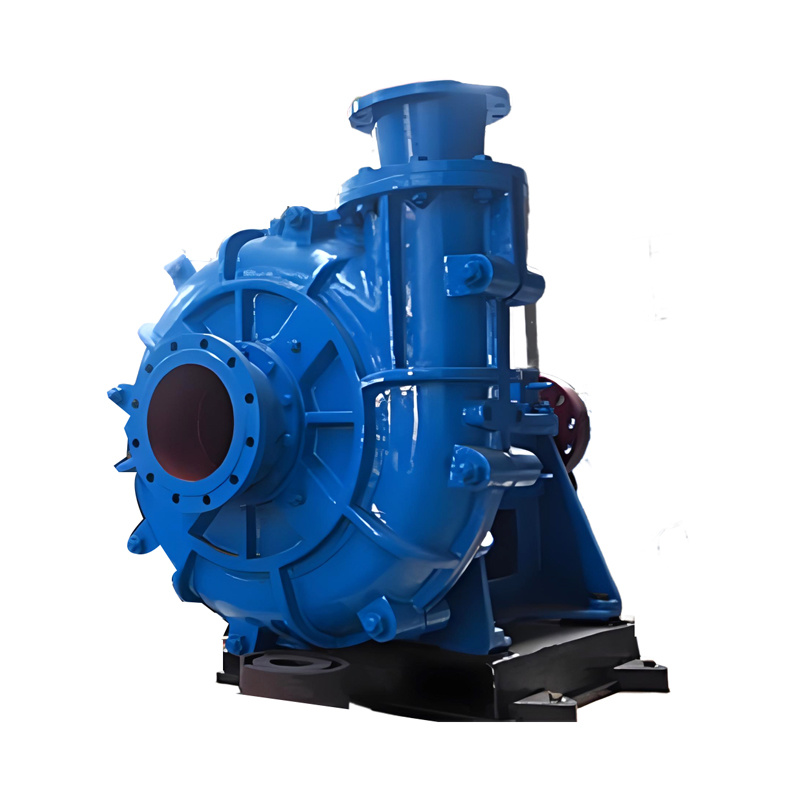
Gravel pumps are specialized devices designed to transport and handle abrasive materials such as gravel, sand, and slurry. These pumps are particularly crucial in industries such as mining, construction, and dredging, where the movement of heavy and coarse materials is a common requirement. Understanding the mechanics and applications of gravel pumps is essential for professionals looking to optimize their operations and ensure the efficient handling of materials.
One of the primary features of gravel pumps is their ability to handle large solids efficiently. Unlike standard pumps, gravel pumps are designed with a wider inlet and a robust impeller, allowing them to accommodate particles that may be larger than what typical pumps can manage. This characteristic makes them particularly useful in environments where the material being moved is not only heavy but also heterogeneous in composition.
In terms of operation, gravel pumps are often centrifugal, utilizing rotational energy to move the fluid and solids mixture. The design of these pumps allows for minimal clogging, reducing downtime and maintenance. Their robust construction typically includes wear-resistant materials to withstand the erosive effects of gravel and other abrasive materials, ensuring longevity and reliability.
The applications of gravel pumps are vast. In the mining industry, they are utilized to transport ores and tailings. In construction, they can be used for dewatering applications and moving sand or aggregate. Dredging operations frequently rely on gravel pumps to remove sediment from rivers and harbors, ensuring navigable waterways. Moreover, gravel pumps can also be employed in environmental applications, such as land reclamation and waste management.
When selecting a gravel pump, several factors should be considered. The type of material being transported, the distance it needs to be moved, and the required flow rate are all crucial elements in determining the appropriate pump size and model. It's also essential to consider the pump's installation and maintenance requirements, as these can significantly impact operational efficiency.
In conclusion, gravel pumps are an integral component in various industrial applications, providing a reliable solution for transporting abrasive materials. By understanding their functionality and applications, professionals can make informed decisions when selecting equipment that meets their specific needs. The continued development and innovation in pump technology will only enhance the efficiency and effectiveness of gravel pumps in the future.
Contact Us
E-mail :
liu@cnpumpmade.com
WhatsApp:
+8615028256698
Address:
Nanyang Industrial Park, Shifo Town, Anguo City, Hebei Province, China


Leave Your Message