To provide high-quality Water pump products for global customers.


The Critical Role of Material Selection in Multistage Pump Manufacturing
Mar 07,2026
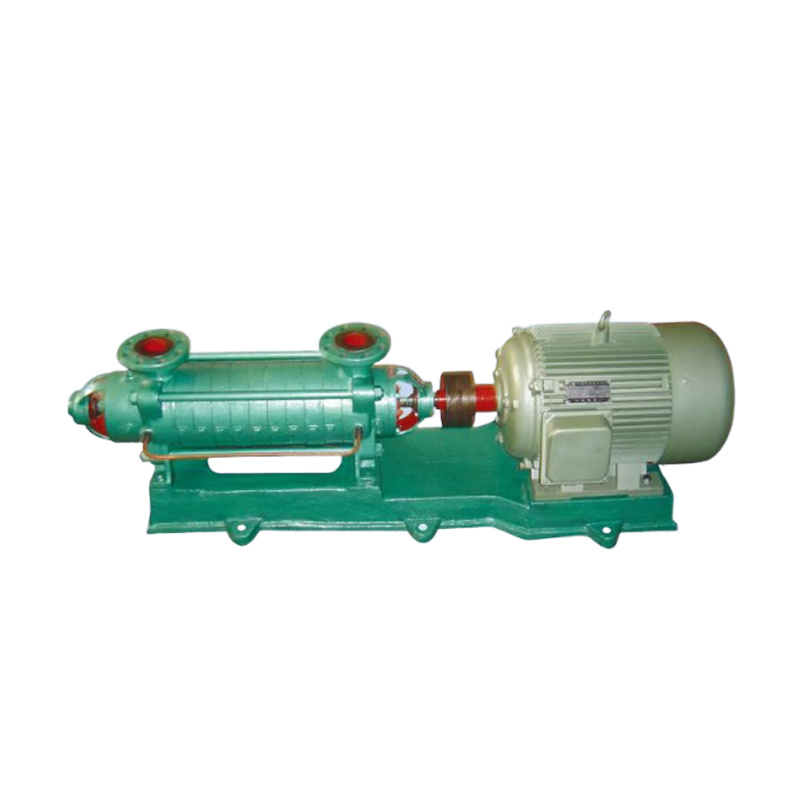
The Critical Role of Material Selection in Multistage Pump Manufacturing
Table of Contents
- Introduction to Multistage Pump Manufacturing
- Understanding the Importance of Material Selection
- Common Materials Used in Multistage Pumps
- Key Properties to Consider in Material Selection
- The Impact of Material Selection on Pump Performance
- Case Studies: Material Selection in Action
- Best Practices for Material Selection in Pump Manufacturing
- Future Trends in Material Selection for Multistage Pumps
- Conclusion
- FAQs About Material Selection in Multistage Pump Manufacturing
Introduction to Multistage Pump Manufacturing
Multistage pumps play a pivotal role in various industries, effectively moving fluids across significant distances and overcoming high pressure. Unlike single-stage pumps, multistage pumps contain multiple impellers, which allow them to achieve higher pressures and flow rates. The performance and longevity of these pumps heavily depend on the materials selected during the manufacturing process. This article explores the significance of material selection in multistage pump manufacturing, illustrating how the right choices can lead to enhanced efficiency and durability.
Understanding the Importance of Material Selection
Material selection is one of the most critical aspects of multistage pump manufacturing. The materials used in constructing these pumps must withstand various environmental and operational challenges, including:
- **Corrosion Resistance**: Many fluids can be corrosive, and the material must withstand such conditions without degrading.
- **Temperature Tolerance**: Pumps often operate under high temperatures, requiring materials that can maintain integrity without losing performance.
- **Strength and Durability**: The materials should have sufficient strength to handle operational stresses and reduce the risk of failure.
- **Weight Considerations**: The weight of the materials can affect the overall structure and efficiency of the pump.
Choosing the right materials not only enhances the performance of the pump but also reduces maintenance costs and extends service life.
Common Materials Used in Multistage Pumps
When manufacturing multistage pumps, several materials may be used, each with distinct advantages and disadvantages. Here’s a look at some of the most common materials:
1. Stainless Steel
Stainless steel is preferred in many applications due to its excellent corrosion resistance and mechanical properties. It provides a good balance between cost and performance, making it suitable for a wide range of fluids, even those that are mildly corrosive.
2. Cast Iron
Cast iron is often used for its strength and ability to withstand high pressures. However, it is more susceptible to corrosion, so it may require protective coatings or careful selection of fluids.
3. Bronze
Bronze offers excellent corrosion resistance, particularly in marine environments. It’s often used in applications with seawater or other saline fluids.
4. Composite Materials
Composite materials, which can include reinforced plastics, are becoming increasingly popular due to their lightweight characteristics and resistance to corrosion. They offer excellent performance in specific applications but can be more expensive than traditional metals.
5. Titanium
Titanium is renowned for its strength-to-weight ratio and exceptional corrosion resistance. It is often used in high-performance applications but comes at a premium cost.
Key Properties to Consider in Material Selection
Selecting the right material involves evaluating various properties that directly influence the performance of the multistage pump:
1. Corrosion Resistance
Corrosion resistance is crucial, especially when dealing with aggressive fluids. Selecting materials that resist corrosion prolongs the pump’s life and reduces downtime for repairs.
2. Mechanical Strength
The mechanical strength of materials ensures that they can withstand the forces exerted during operation without deforming or breaking. This property is vital for maintaining pump integrity under high pressure.
3. Thermal Stability
Materials must maintain their properties at the operating temperature of the pump. Thermal stability prevents breakdowns and operational inefficiencies.
4. Fatigue Resistance
Because pumps undergo repeated cycles of stress, fatigue resistance is essential to ensure long-term performance and reliability.
5. Cost-effectiveness
While high-performance materials may offer superior properties, cost-effectiveness is always a factor when selecting materials for production. Balancing performance with budget constraints is necessary for successful manufacturing.
The Impact of Material Selection on Pump Performance
Material selection can significantly affect the overall performance of multistage pumps in various ways:
1. Efficiency
The choice of material impacts the efficiency of the pump system. For example, materials that reduce friction can enhance flow rates and reduce energy consumption.
2. Maintenance Requirements
Choosing materials that are resistant to wear and corrosion can lead to lower maintenance requirements and fewer repairs, translating to cost savings in the long run.
3. Longevity and Reliability
The right material selection can significantly increase the life expectancy of the pump, making it a more reliable option for operators who rely on consistent performance.
4. Environmental Impact
Using materials with lower environmental impact can be beneficial, aligning with sustainability initiatives without compromising performance.
Case Studies: Material Selection in Action
Examining real-world examples can provide insight into the material selection process and its implications:
Case Study 1: Water Treatment Facility
In a water treatment facility, the use of stainless steel pumps resulted in a 30% reduction in maintenance costs over five years compared to traditional cast iron pumps. The facility experienced fewer failures and improved overall efficiency.
Case Study 2: Oil and Gas Industry
A major oil and gas company switched to titanium components in their multistage pumps operating in high-temperature, corrosive environments. This decision not only enhanced performance but also extended the lifespan of the pumps, resulting in substantial cost savings.
Best Practices for Material Selection in Pump Manufacturing
To make informed material selection decisions, consider the following best practices:
1. Conduct Thorough Material Testing
Implementing rigorous testing procedures can identify the best materials suited for specific applications, minimizing risks associated with material failure.
2. Collaborate with Suppliers
Working closely with material suppliers can provide valuable insights into the latest advancements in material technology and how they can benefit your manufacturing process.
3. Prioritize Sustainability
Incorporating sustainable materials and practices into the manufacturing process can enhance brand reputation and reduce environmental impact.
4. Continuous Education
Staying updated on the latest trends and technologies in material science can lead to better decision-making in material selection.
Future Trends in Material Selection for Multistage Pumps
As technology evolves, so do the materials used in multistage pumps. Here are a few trends to watch for:
1. Advanced Alloys and Composites
The development of advanced alloys and composite materials that provide superior performance will likely gain traction, especially in specialized applications.
2. Smart Materials
Integration of smart materials that can adapt to changing operating conditions could revolutionize pump performance and efficiency.
3. Sustainable Materials
The push for sustainability will drive innovation in biodegradable and recyclable materials that maintain performance while minimizing environmental impact.
Conclusion
In conclusion, material selection is a fundamental aspect of multistage pump manufacturing that influences performance, durability, and cost-effectiveness. By understanding the properties and implications of different materials, manufacturers can make informed decisions that enhance pump efficiency and reliability. As technology progresses, staying abreast of new materials and trends will be vital for maintaining a competitive edge in the industry.
FAQs About Material Selection in Multistage Pump Manufacturing
1. What materials are best for multistage pumps?
The best materials depend on the application, but stainless steel, bronze, and composite materials are commonly used for their durability and resistance to corrosion.
2. How does material selection affect pump efficiency?
Material selection can impact friction and flow characteristics, directly affecting the efficiency of the pump and energy consumption.
3. What are the consequences of poor material selection?
Poor material selection can lead to pump failures, increased maintenance costs, reduced efficiency, and a shorter lifespan of the equipment.
4. Are there eco-friendly materials for pump manufacturing?
Yes, there are biodegradable and recyclable materials being developed that can serve as sustainable options without compromising performance.
5. How can I ensure the best material is selected for my pump application?
Conduct thorough testing, collaborate with suppliers, and stay informed about advancements in material science to make the best choices for your specific needs.
Contact Us
E-mail :
liu@cnpumpmade.com
WhatsApp:
+8615028256698
Address:
Nanyang Industrial Park, Shifo Town, Anguo City, Hebei Province, China


Leave Your Message