To provide high-quality Water pump products for global customers.


The Future of Industrial Pumping: Innovations in Double Suction Pumps
Mar 09,2026
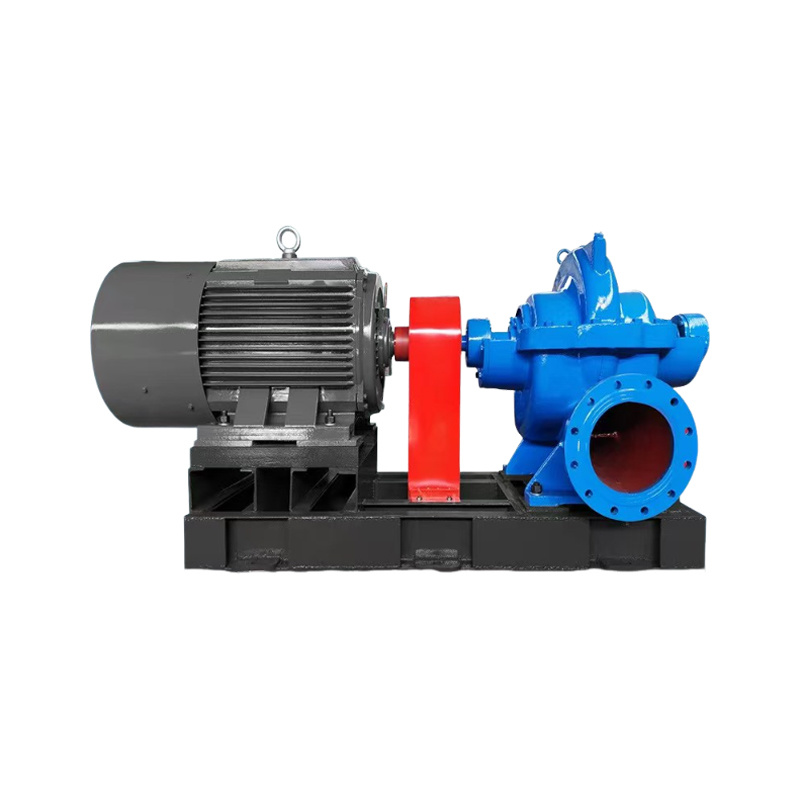
The Future of Industrial Pumping: Innovations in Double Suction Pumps
Table of Contents
- 1. Introduction to Double Suction Pumps
- 2. Understanding Double Suction Pump Technology
- 3. Recent Innovations in Double Suction Pumps
- 3.1 Enhanced Designs for Greater Efficiency
- 3.2 Advanced Materials and Their Impact
- 3.3 Integration of Smart Technologies
- 4. Applications of Double Suction Pumps in Various Industries
- 5. Benefits of Using Double Suction Pumps
- 6. Challenges Facing the Industry
- 7. The Future Outlook for Double Suction Pumps
- 8. Conclusion
1. Introduction to Double Suction Pumps
In the rapidly evolving landscape of industrial machinery, double suction pumps are proving to be pivotal in enhancing operational efficiency and reliability. These pumps are designed to minimize hydraulic losses and maximize performance, making them ideal for various applications. In this article, we will explore the future of industrial pumping, specifically focusing on innovations in double suction pumps that are setting new standards for the industry.
2. Understanding Double Suction Pump Technology
Double suction pumps, characterized by their unique impeller design, feature two inlets that allow for greater flow rates and reduced axial thrust. This design not only improves the efficiency of fluid transfer but also extends the lifespan of the pump by reducing wear and tear. They are predominantly used in applications requiring high flow rates, such as water treatment facilities and power generation plants.
How Double Suction Pumps Work
The mechanism of a double suction pump involves the entry of fluid from both sides of the impeller. This configuration leads to balanced forces acting on the pump shaft, resulting in lower mechanical stresses. The engineering behind these pumps enables them to handle large volumes of liquids with varying viscosities, making them versatile for different industrial applications.
3. Recent Innovations in Double Suction Pumps
Recent technological advancements have sparked a revolution in double suction pump design and functionality. As industries strive for greater efficiency and sustainability, manufacturers are incorporating innovative features to enhance performance.
3.1 Enhanced Designs for Greater Efficiency
Modern double suction pumps are being designed with advanced computational fluid dynamics (CFD) simulations. These simulations allow engineers to optimize the pump geometry, thereby improving hydraulic efficiency. New designs are focusing on minimizing turbulence and maximizing flow, which directly translates into energy savings for industrial operations.
3.2 Advanced Materials and Their Impact
The advent of new materials, such as advanced composites and corrosion-resistant alloys, has greatly impacted the durability and performance of double suction pumps. These materials not only withstand harsh operating conditions but also contribute to reduced maintenance costs and prolonged pump life. Innovations in surface coatings have further enhanced resistance to wear and corrosion, making pumps more reliable in demanding environments.
3.3 Integration of Smart Technologies
The integration of smart technologies is revolutionizing double suction pumps. With the advent of Industry 4.0, the incorporation of IoT sensors and predictive maintenance solutions has become commonplace. These technologies enable real-time monitoring of pump performance, predicting potential failures before they occur, and optimizing operational parameters for maximum efficiency.
4. Applications of Double Suction Pumps in Various Industries
Double suction pumps are utilized across numerous industries, showcasing their versatility and efficiency.
Water and Wastewater Management
In water treatment plants, double suction pumps are essential for transporting large volumes of water. They ensure the steady supply of clean water and are crucial in wastewater management processes, where consistent flow and reliability are paramount.
Power Generation
Power plants use double suction pumps for cooling and circulating water. Their ability to handle large flow rates with minimal energy consumption makes them ideal for this application, significantly contributing to the efficiency of power generation processes.
Oil and Gas Industry
In the oil and gas sector, double suction pumps are employed for transporting crude oil and other fluids. Their robust design and high efficiency make them suitable for handling viscous liquids and ensuring a smooth transfer across various operational stages.
5. Benefits of Using Double Suction Pumps
The benefits of using double suction pumps are numerous, making them a preferred choice for many industrial applications.
Higher Efficiency
Double suction pumps offer higher efficiency compared to single-suction designs, as they minimize hydraulic losses and provide balanced operation.
Reduced Wear and Tear
The unique design of double suction pumps leads to reduced mechanical wear, extending the lifespan of the pump and lowering maintenance costs.
Versatile Applications
Their capability to handle various fluids and flow rates makes double suction pumps suitable for diverse applications across multiple industries.
6. Challenges Facing the Industry
Despite the advancements, the industrial pumping sector faces several challenges that demand attention.
Environmental Regulations
As industries strive for sustainability, compliance with stringent environmental regulations poses challenges for manufacturers. Innovations must align with these regulations to ensure that double suction pumps are both efficient and environmentally friendly.
Technological Integration
While smart technologies offer significant advantages, integrating these advancements into existing systems can be complex and costly. Companies must navigate the balance between upgrading equipment and maintaining operational continuity.
7. The Future Outlook for Double Suction Pumps
The future of double suction pumps is bright, with continuous innovations set to reshape the landscape. As industries place greater emphasis on sustainability and efficiency, we can anticipate further developments in energy-efficient designs, smart integration, and advanced materials. The adoption of renewable energy sources will also drive the demand for innovative pumping solutions that align with sustainable practices.
8. Conclusion
In conclusion, the future of industrial pumping, particularly in double suction pumps, is marked by significant innovations that enhance efficiency, sustainability, and reliability. As industries adapt to changing demands and environmental challenges, embracing these advancements will be critical. The ongoing evolution in pump technology will not only address current challenges but also pave the way for a more efficient and sustainable future in industrial operations.
FAQs
1. What are double suction pumps?
Double suction pumps are designed with two inlets allowing for greater flow rates and reduced axial thrust, making them ideal for high-demand applications in various industries.
2. What industries commonly use double suction pumps?
Common industries include water treatment, power generation, oil and gas, and industrial manufacturing, where high flow rates are essential.
3. How do double suction pumps improve efficiency?
Their design minimizes hydraulic losses and balances forces acting on the pump, resulting in higher performance and reduced energy consumption.
4. What recent innovations have been made in double suction pumps?
Recent innovations include enhanced designs using CFD, advanced materials for durability, and the integration of smart technologies for real-time monitoring.
5. What challenges do manufacturers face with double suction pumps?
Manufacturers face challenges such as compliance with environmental regulations and the complexities of integrating new technologies into existing systems.
This comprehensive exploration of double suction pumps offers insights into their innovations, applications, and future prospects, empowering industries to leverage cutting-edge technology for enhanced performance and sustainability.
Contact Us
E-mail :
liu@cnpumpmade.com
WhatsApp:
+8615028256698
Address:
Nanyang Industrial Park, Shifo Town, Anguo City, Hebei Province, China


Leave Your Message