To provide high-quality Water pump products for global customers.


How to Seamlessly Integrate Submersible Slurry Pumps into Your Existing Systems
Mar 01,2026
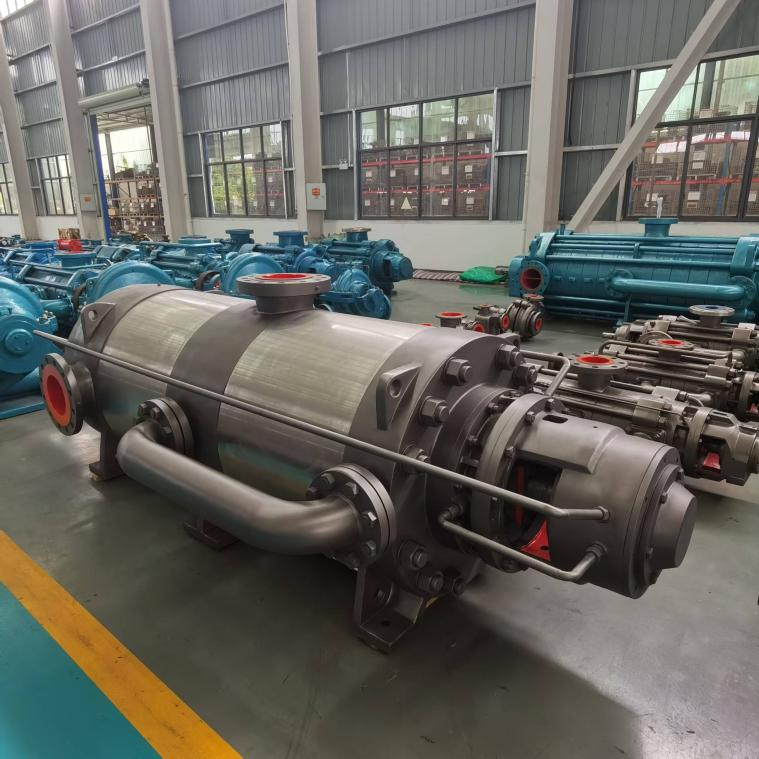
How to Seamlessly Integrate Submersible Slurry Pumps into Your Existing Systems
Submersible slurry pumps are indispensable in various industries, especially when handling abrasive, viscous materials. Integrating these pumps into existing systems can enhance operational efficiency and reduce downtime. In this guide, we will explore how to effectively integrate submersible slurry pumps into your systems, ensuring smooth operation and optimal performance.
Table of Contents
1. Understanding Submersible Slurry Pumps
2. Benefits of Integrating Submersible Slurry Pumps
3. Assessing Your Existing Systems for Compatibility
4. Planning the Integration Process
5. Installation Guide for Submersible Slurry Pumps
6. Operational Considerations for Integrated Systems
7. Maintenance and Troubleshooting Tips
8. Conclusion
9. Frequently Asked Questions
Understanding Submersible Slurry Pumps
Submersible slurry pumps are specialized pumps designed for transporting mixtures of liquid and solid materials. They are submerged in the slurry, which allows them to efficiently handle high-density fluids often found in mining, construction, and wastewater applications. These pumps are engineered to endure challenging conditions, including abrasive particles and varying temperatures.
Key Features of Submersible Slurry Pumps
- **Robust Construction**: Built with durable materials to withstand wear and tear.
- **Efficient Design**: Optimized impeller and volute designs for maximum flow and minimal turbulence.
- **Versatile Applications**: Suitable for various industries, including mining, dredging, and construction.
- **Energy Efficiency**: Designed to minimize energy consumption while maximizing output.
Benefits of Integrating Submersible Slurry Pumps
Integrating submersible slurry pumps into your existing systems offers several advantages:
Enhanced Efficiency
By utilizing submersible slurry pumps, you can improve the flow rates and reduce the energy required for pumping operations. This boosts overall productivity and lowers operational costs.
Improved Safety
These pumps are designed for submerged operations, reducing risks associated with surface pumps. Moreover, their automatic controls can enhance operational safety by minimizing human intervention.
Reduced Maintenance Costs
Submersible slurry pumps often require less maintenance compared to traditional pumps. Their construction allows for easier access to components, making repairs and maintenance straightforward.
Assessing Your Existing Systems for Compatibility
Before integrating submersible slurry pumps, it is crucial to evaluate your current systems. This assessment will help identify necessary modifications and ensure compatibility.
Evaluate System Design
Analyze your existing piping systems, flow rates, and material compatibility. Understanding the current setup will inform the best approach to integration.
Identify Electrical Requirements
Review electrical configurations and power supplies. Ensure that the existing system can support the pump's power requirements, including voltage and phase.
Assess Environmental Conditions
Consider the working environment, including temperature, humidity, and potential contaminants. Proper assessment will guide you in selecting the right type of submersible slurry pump.
Planning the Integration Process
A well-thought-out plan is essential for successful integration. This plan will encompass several key areas.
Define Objectives
Establish clear goals for the integration process, including expected outcomes like increased efficiency or enhanced safety.
Create a Timeline
Develop a detailed timeline that outlines each stage of the integration process, from evaluation to installation and testing.
Budget Considerations
Budgeting will ensure that you have the necessary resources to complete the integration without financial strain. Account for equipment costs, installation fees, and any potential downtime.
Installation Guide for Submersible Slurry Pumps
Once planning is complete, the installation phase begins. Follow these steps to ensure a smooth installation of your submersible slurry pumps.
Step 1: Prepare the Site
Ensure the installation site is clean and free from debris. Create a safe work environment by ensuring proper lighting and access to necessary tools.
Step 2: Assemble the Pump
Follow the manufacturer's instructions for assembling the pump. Verify all components are present and in good condition before proceeding.
Step 3: Install the Pump
Lower the submersible slurry pump into the designated area, ensuring it's securely positioned. Connect the discharge piping and any necessary electrical components.
Step 4: Conduct Testing
After installation, conduct thorough testing to ensure the pump operates as expected. Monitor flow rates, pressure levels, and electrical performance during this phase.
Operational Considerations for Integrated Systems
After successful integration, consider the following operational aspects for optimal performance.
Monitor Performance Regularly
Establish a routine for monitoring the pump's performance. Keep an eye on flow rates, pressure, and energy consumption to identify any irregularities.
Train Staff Effectively
Ensure all personnel are trained in operating the new system, including safety protocols and emergency procedures. Proper training minimizes risks and enhances overall operational effectiveness.
Implement Control Systems
Utilize control systems that automate and optimize the pump's operation. Advanced systems can monitor performance and adjust settings based on real-time data.
Maintenance and Troubleshooting Tips
Regular maintenance is vital for the longevity of submersible slurry pumps. Here are essential tips to keep your pump running smoothly.
Scheduled Maintenance Checks
Create a maintenance schedule that includes regular inspections and cleaning. Check for wear and tear, and replace parts as necessary.
Common Troubleshooting Techniques
- **Performance Issues**: If the flow rate decreases, check for blockages in the intake or discharge lines.
- **Unusual Noises**: Strange noises may indicate mechanical issues. Inspect bearings and impellers for damage.
- **Overheating**: Monitor for overheating, which can be caused by inadequate lubrication or blockages.
Conclusion
Integrating submersible slurry pumps into existing systems can significantly enhance operational efficiency, safety, and cost-effectiveness. By understanding the pump's capabilities, assessing your current system, and implementing a well-structured integration plan, you can achieve optimal performance. Regular maintenance and monitoring are crucial to ensure the longevity and reliability of your integrated system. Embrace the advantages of submersible slurry pumps to elevate your industrial operations.
Frequently Asked Questions
1. What are the main advantages of submersible slurry pumps?
Submersible slurry pumps offer enhanced efficiency, improved safety, and reduced maintenance costs compared to traditional pumps.
2. How do I determine the right size of a submersible slurry pump for my system?
Calculate the required flow rate, head height, and the type of slurry being pumped to determine the appropriate pump size.
3. Can submersible slurry pumps handle solid particles?
Yes, they are specifically designed to handle mixtures of liquid and solid particles, making them ideal for various industrial applications.
4. What maintenance is required for submersible slurry pumps?
Regular inspections, cleaning, and timely replacement of worn parts are essential for maintaining submersible slurry pumps.
5. Are there specific safety protocols to follow during installation?
Yes, establish safety guidelines that include proper training for personnel, use of personal protective equipment, and adherence to electrical safety standards.
By following this guide, you can effectively integrate submersible slurry pumps into your existing systems, ensuring they operate at peak efficiency and contribute positively to your industrial processes.
Contact Us
E-mail :
liu@cnpumpmade.com
WhatsApp:
+8615028256698
Address:
Nanyang Industrial Park, Shifo Town, Anguo City, Hebei Province, China


Leave Your Message