To provide high-quality Water pump products for global customers.


Essential Safety Measures When Operating Gravel Pumps in Industrial Settings
Feb 11,2026
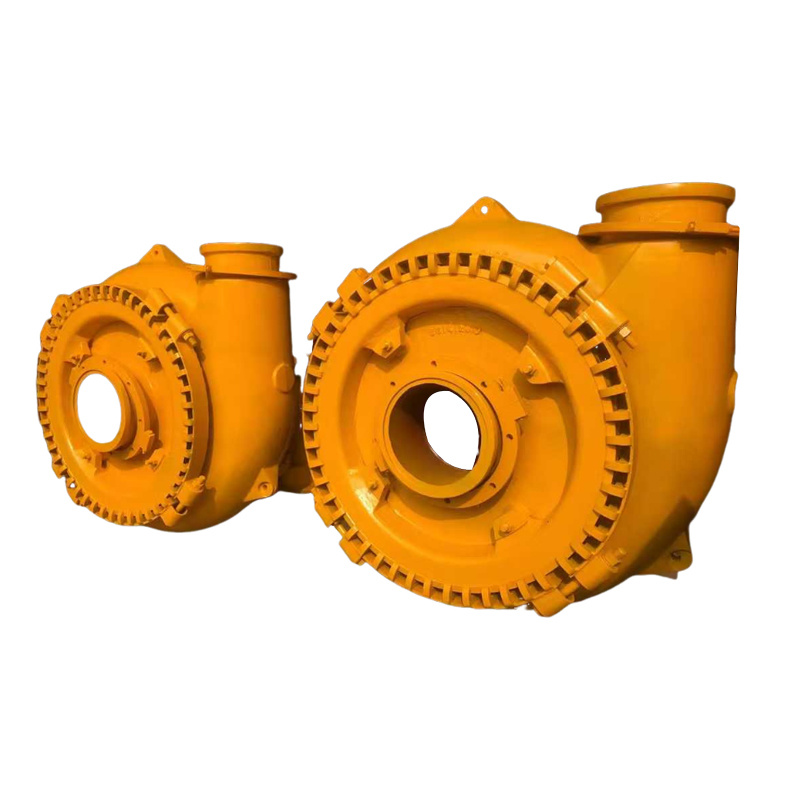
Essential Safety Measures When Operating Gravel Pumps in Industrial Settings
Operating gravel pumps in industrial settings requires attention to safety protocols and detailed procedures to minimize risks. These pumps handle abrasive materials and high volumes of liquid, which can pose significant hazards if not managed correctly. In this article, we will explore the essential safety measures to take while operating gravel pumps, ensuring a safer working environment.
Understanding Gravel Pumps and Their Applications
Gravel pumps are specially designed for transporting gravel, sand, and other dense materials. Typically utilized in mining, dredging, and construction, these pumps are critical for moving heavy materials efficiently. Understanding the operational principles of gravel pumps is crucial for implementing safety measures effectively.
Types of Gravel Pumps
Gravel pumps come in various types to cater to specific applications. The most common include:
- **Centrifugal Gravel Pumps**: Utilize centrifugal force to move materials through a rotating impeller.
- **Submersible Gravel Pumps**: Designed to operate underwater, ideal for dredging applications.
- **Diaphragm Pumps**: Use a diaphragm to create a vacuum and draw in materials, suitable for viscous materials.
Each type has its operational characteristics, which influence the safety measures required during use.
Common Hazards Associated with Gravel Pumps
Identifying potential hazards is the first step in ensuring safety. Common risks include:
- **Mechanical Failures**: Worn-out parts can lead to pump failure and spills.
- **Electrical Hazards**: Improper electrical connections can lead to shocks or fires.
- **Exposure to Harmful Dust**: Operating gravel pumps can create dust that is hazardous to health if inhaled.
- **Slips, Trips, and Falls**: Wet or uneven surfaces around pump operations increase the likelihood of accidents.
By understanding these hazards, operators can safeguard themselves and their colleagues.
Pre-Operation Safety Checks
Before beginning any operation, comprehensive safety checks are fundamental. Here’s a detailed checklist:
1. Equipment Inspection
Conduct a thorough inspection of the gravel pump and associated equipment. Key areas to examine include:
- **Hoses and Fittings**: Check for leaks, cracks, or signs of wear.
- **Electrical Components**: Ensure that wiring is intact and properly insulated.
- **Pump Condition**: Inspect impellers, seals, and bearings for any damage.
2. Personal Protective Equipment (PPE)
Always wear the appropriate PPE to protect against potential hazards. Essential gear includes:
- **Safety Helmets**: To protect against falling objects.
- **Gloves**: For grip and protection from sharp materials.
- **Respirators**: To guard against inhaling harmful dust.
- **Steel-Toed Boots**: To prevent foot injuries from heavy equipment.
3. Safety Signage and Communication
Ensure that all safety signs are clearly visible and communicate the risks associated with gravel pump operations. Establish effective communication protocols among team members to enhance awareness.
Operational Safety Procedures
Having established pre-operation protocols, it is essential to follow specific operational procedures to minimize risks.
1. Safe Operating Practices
Operators should adhere to safe practices during operation. These practices include:
- **Following Manufacturer Guidelines**: Always refer to the operation manual provided by the pump manufacturer.
- **Monitoring Pressure Levels**: Regularly check pressure readings to prevent overloading the pump.
- **Maintaining a Clear Work Area**: Keep the area around the pump free of obstacles and debris.
2. Emergency Procedures
Prepare for emergencies by establishing clear protocols. Key procedures include:
- **Emergency Shut-Off Switches**: Ensure operators know the location and use of emergency shut-off systems.
- **Spill Containment**: Have spill kits readily available to manage any accidental leaks or spills.
- **First Aid Training**: Ensure that team members are trained in first aid responses for injuries that may occur.
3. Regular Maintenance and Training
Ongoing maintenance and staff training are essential for long-term safety. Implement regular maintenance schedules for all pump equipment and conduct training sessions to keep operators informed about the latest safety practices and procedures.
Post-Operation Safety Measures
After completing pump operations, specific measures should be taken to ensure safety and efficiency for future operations.
1. Proper Equipment Shutdown
Ensure that the pump is correctly shut down according to the operational guidelines. This includes:
- **Disengaging the Power Supply**: Always disconnect the power before performing any maintenance.
- **Purging Residual Material**: Clear any remaining gravel or liquid from the pump to prevent blockages.
2. Documentation and Reporting
Keep detailed records of operation times, maintenance performed, and any incidents that occurred. This documentation is vital for future reference and can help identify areas for improvement in safety practices.
3. Conducting a Post-Operation Review
Hold a debriefing session with team members to discuss the operation. Evaluate what went well and identify any issues that need addressing to improve future operations.
FAQs about Safety Measures When Operating Gravel Pumps
1. What personal protective equipment is required when operating gravel pumps?
Operators should wear safety helmets, gloves, respirators, and steel-toed boots to minimize the risk of injury.
2. How often should gravel pumps be inspected for safety?
Gravel pumps should be inspected daily before operation and undergo more thorough weekly and monthly checks depending on operational intensity.
3. What should I do if I encounter a mechanical failure during operation?
Immediately shut down the pump using the emergency shut-off switch and notify the maintenance team for repairs.
4. Are there specific training requirements for gravel pump operators?
Yes, operators should receive training on equipment safety, hazard recognition, emergency procedures, and operational guidelines.
5. How can I reduce exposure to harmful dust when operating gravel pumps?
Utilize dust suppression techniques such as water sprays and ensure all operators wear appropriate respiratory protection to minimize inhalation risks.
Conclusion
Operating gravel pumps in industrial settings presents unique challenges and risks. By implementing a comprehensive safety framework that includes pre-operation checks, proper operational practices, and post-operation measures, we can significantly reduce the likelihood of accidents and injuries. Continuous training, effective communication, and regular equipment maintenance are essential components of ensuring safety in gravel pump operations. Adopting these practices not only protects operators but also contributes to a more efficient and productive working environment. Remember, safety is everyone's responsibility, and staying informed and vigilant is key to successful operations.
Contact Us
E-mail :
liu@cnpumpmade.com
WhatsApp:
+8615028256698
Address:
Nanyang Industrial Park, Shifo Town, Anguo City, Hebei Province, China


Leave Your Message