To provide high-quality Water pump products for global customers.


The Advantages of Automatic Controls for Submersible Slurry Pumps
Feb 09,2026
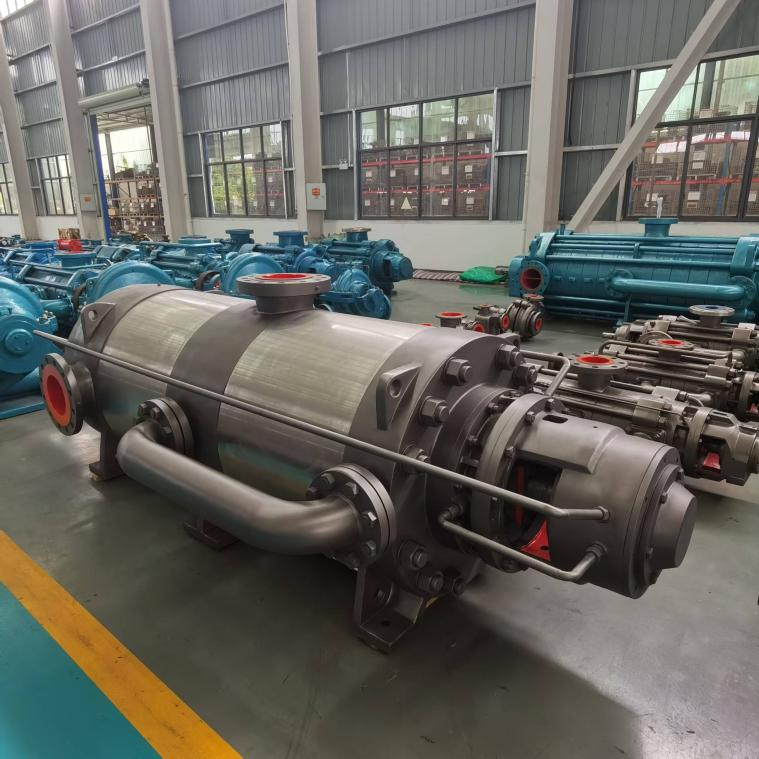
The Advantages of Automatic Controls for Submersible Slurry Pumps
Table of Contents
- 1. Introduction to Submersible Slurry Pumps
- 2. What Are Automatic Controls for Submersible Slurry Pumps?
- 3. Key Benefits of Automatic Controls
- 3.1 Increased Efficiency and Performance
- 3.2 Cost Reduction and Energy Savings
- 3.3 Enhanced Safety Features
- 4. Applications of Automatic Controls in Various Industries
- 5. How to Choose the Right Automatic Control System
- 6. Potential Challenges and Solutions
- 7. Frequently Asked Questions
- 8. Conclusion
1. Introduction to Submersible Slurry Pumps
Submersible slurry pumps are vital components in various industrial operations, specifically designed to handle abrasive and viscous materials. These pumps operate underwater, effectively managing the transportation of thick slurries, which often contain solids and other particulates. Their robust design allows them to withstand harsh conditions, making them indispensable in sectors such as mining, construction, and wastewater management.
However, as demands for efficiency and productivity rise, integrating **automatic controls** into these systems has emerged as a game-changer. This article explores the myriad advantages of such controls, highlighting their ability to enhance operational efficiency and safety.
2. What Are Automatic Controls for Submersible Slurry Pumps?
Automatic controls for submersible slurry pumps are sophisticated systems that monitor and regulate pump operations without constant human intervention. These controls utilize sensors, timers, and programmable logic controllers (PLCs) to automate various functions, including:
- **Starting and stopping the pump** based on fluid levels.
- **Adjusting pump speed** to optimize flow rates and energy consumption.
- **Monitoring pressure and temperature** to prevent equipment failure.
By automating these processes, facilities can ensure that their slurry pumps operate at peak efficiency, significantly reducing the risk of downtime and maintenance issues.
3. Key Benefits of Automatic Controls
Implementing automatic controls for submersible slurry pumps offers numerous advantages that can revolutionize industrial operations. Below, we discuss some of the most significant benefits.
3.1 Increased Efficiency and Performance
One of the primary advantages of automatic controls is the **enhanced efficiency** they bring to pump operations. By continuously monitoring and adjusting parameters, these systems can optimize the performance of slurry pumps. For instance, automatic controls can:
- Adjust the pump's flow rate according to the volume of slurry, ensuring that the pump is never overburdened or underutilized.
- Maintain optimal operating conditions by preventing cavitation, which can damage the pump and reduce its lifespan.
The result is a system that not only functions more efficiently but also prolongs the life of the equipment.
3.2 Cost Reduction and Energy Savings
Incorporating automatic controls can lead to substantial **cost reductions**. The ability to fine-tune pump operations means that energy consumption is minimized. By operating pumps only when necessary and at optimal levels, facilities can significantly lower their energy bills.
Moreover, reduced wear and tear on equipment translates to lower maintenance costs. Automatic controls can detect potential issues before they escalate into significant problems, allowing for timely interventions and reducing the need for costly repairs.
3.3 Enhanced Safety Features
Safety is paramount in industrial operations, and automatic controls add an essential layer of protection. These systems can detect anomalies such as excessive temperature or pressure, triggering automatic shutdowns to prevent catastrophic failures.
Furthermore, by minimizing the need for manual interventions, the risk of accidents associated with on-site maintenance is reduced. Automated systems can operate in hazardous environments without exposing personnel to dangers, thus enhancing workplace safety.
4. Applications of Automatic Controls in Various Industries
Automatic controls for submersible slurry pumps find applications across several industries, each benefiting from enhanced efficiency and safety.
4.1 Mining Industry
In the mining sector, submersible slurry pumps are used for dewatering and transporting slurries that result from ore extraction processes. Automatic controls help manage fluctuating water levels and ensure consistent pump operation, minimizing downtime and increasing productivity.
4.2 Construction Sites
Construction projects often face challenges with groundwater management. Automatic controls enable contractors to maintain optimal conditions by automatically adjusting the pumping rates based on real-time water levels. This leads to safer and more efficient construction operations, reducing the risk of delays caused by flooding.
4.3 Wastewater Management
In wastewater treatment facilities, submersible slurry pumps play a critical role in transporting waste materials. Automatic controls enhance the reliability of these systems, ensuring that pumps operate within safe parameters and do not overburden the treatment process. They can also automate the cleaning and maintenance routines, promoting operational efficiency.
5. How to Choose the Right Automatic Control System
Selecting the appropriate automatic control system for submersible slurry pumps requires careful consideration of various factors:
- **Compatibility**: Ensure the control system is compatible with the existing pump infrastructure.
- **Scalability**: Look for solutions that can grow with your operations, adapting to increased demands or additional pumps.
- **User Interface**: A user-friendly interface will facilitate easier operation and monitoring.
- **Technical Support**: Opt for manufacturers that provide robust technical support and training.
Assessing these aspects can lead to informed decisions that enhance the overall efficiency of slurry pumping operations.
6. Potential Challenges and Solutions
While automatic controls offer numerous benefits, they also present certain challenges:
- **Initial Costs**: The upfront investment for advanced control systems can be significant. However, organizations should view this as a long-term investment that pays off through energy and maintenance savings.
- **Technical Expertise**: Implementing these systems may require specialized knowledge. Investing in staff training can ensure smooth integration and operation.
- **System Failures**: As with any automated system, there is a risk of failure. Regular maintenance and monitoring can help mitigate this risk and ensure reliable operations.
By addressing these challenges proactively, organizations can maximize the advantages of automatic controls.
7. Frequently Asked Questions
What is a submersible slurry pump?
A submersible slurry pump is designed to operate underwater and manage the transportation of abrasive and viscous slurries, often found in mining, construction, and wastewater management.
How do automatic controls enhance the efficiency of slurry pumps?
Automatic controls optimize pump performance by monitoring and adjusting operations in real-time, ensuring that pumps operate at their most efficient levels, thereby reducing energy consumption and wear.
Are there safety concerns with submersible slurry pumps?
Yes, safety concerns exist, particularly with potential failures. Automatic controls enhance safety by monitoring critical parameters and enabling automatic shutdowns in case of anomalies.
How much do automatic controls cost?
While the initial investment can be significant, the long-term savings in energy and maintenance costs often make automatic controls a cost-effective solution.
Can automatic controls be integrated into existing pump systems?
In many cases, yes. It's essential to consult with manufacturers or experts to ensure compatibility with existing systems.
8. Conclusion
The integration of **automatic controls** in submersible slurry pumps represents a significant advancement in industrial operations. By enhancing efficiency, reducing costs, and improving safety, these systems transform how industries manage slurry transport and dewatering. As we continue to face increasing operational demands, embracing automation in slurry pumping processes will be crucial for maintaining competitiveness and efficiency. Adopting these technologies not only bolsters productivity but also ensures sustainable practices across various sectors. Investing in automatic controls is not just a decision for today; it is a strategic move towards a more efficient and safer tomorrow.
Contact Us
E-mail :
liu@cnpumpmade.com
WhatsApp:
+8615028256698
Address:
Nanyang Industrial Park, Shifo Town, Anguo City, Hebei Province, China


Leave Your Message