To provide high-quality Water pump products for global customers.


Understanding Gravel Pumps: Essential Equipment for Industrial Applications
Feb 06,2026
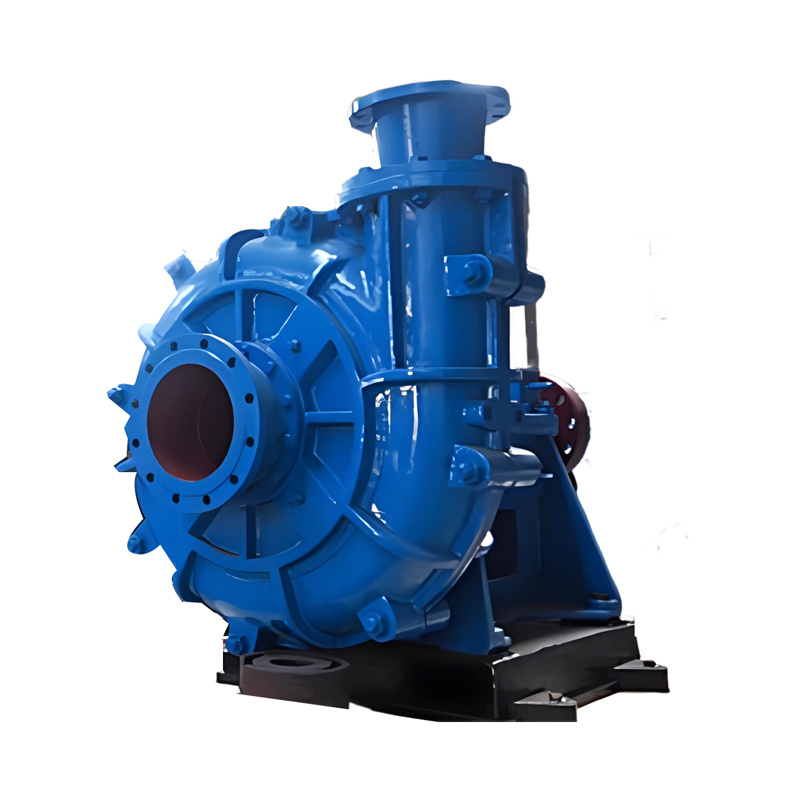
Gravel pumps are a type of centrifugal pump specifically designed to transport abrasive materials, such as gravel, sand, and slurry, in industrial settings. Unlike standard pumps that may struggle with solid particles, gravel pumps are engineered to handle these challenging materials efficiently. Their unique construction and robust features make them an essential tool in various industries, including mining, dredging, and construction.
The primary function of a gravel pump is to move high-density mixtures of water and solid materials. These pumps typically feature a large inlet and a wide discharge opening, which allows them to accommodate larger particles without clogging. The impeller design is another critical aspect; gravel pumps usually have a low-speed impeller that reduces wear and tear while maintaining optimal flow rates. This durability is vital when operating in harsh environments, where conventional pumps might fail.
One of the key advantages of using gravel pumps is their ability to reduce operational costs over time. Since they are built to withstand abrasive materials, they require less frequent maintenance compared to standard pumps, which can save businesses significant downtime and repair expenses. Additionally, the efficiency of gravel pumps in transporting heavy mixtures means that they can significantly reduce energy consumption compared to other pumping solutions.
Gravel pumps are highly versatile and can be used in various applications. In the mining industry, they are used to transport minerals and tailings efficiently. In construction, gravel pumps play a crucial role in dewatering excavations and managing slurry during foundation work. Moreover, they are commonly employed in dredging operations to remove sediment from rivers and lakes, helping to maintain navigable waterways.
When selecting a gravel pump, several factors should be considered to ensure optimal performance. The size of the pump, the type of materials being transported, and the specific application will all influence the choice of pump. It is also essential to evaluate the pump's capacity and head—the two critical parameters that determine how effectively a pump can move materials.
In conclusion, gravel pumps are indispensable tools for industries that deal with abrasive materials. Their specialized design and robust performance capabilities enable them to operate efficiently in demanding environments, making them a preferred choice for many applications. Understanding the intricacies of gravel pumps can help businesses make informed decisions about their equipment needs, ultimately leading to improved operational efficiency and cost savings.
The primary function of a gravel pump is to move high-density mixtures of water and solid materials. These pumps typically feature a large inlet and a wide discharge opening, which allows them to accommodate larger particles without clogging. The impeller design is another critical aspect; gravel pumps usually have a low-speed impeller that reduces wear and tear while maintaining optimal flow rates. This durability is vital when operating in harsh environments, where conventional pumps might fail.
One of the key advantages of using gravel pumps is their ability to reduce operational costs over time. Since they are built to withstand abrasive materials, they require less frequent maintenance compared to standard pumps, which can save businesses significant downtime and repair expenses. Additionally, the efficiency of gravel pumps in transporting heavy mixtures means that they can significantly reduce energy consumption compared to other pumping solutions.
Gravel pumps are highly versatile and can be used in various applications. In the mining industry, they are used to transport minerals and tailings efficiently. In construction, gravel pumps play a crucial role in dewatering excavations and managing slurry during foundation work. Moreover, they are commonly employed in dredging operations to remove sediment from rivers and lakes, helping to maintain navigable waterways.
When selecting a gravel pump, several factors should be considered to ensure optimal performance. The size of the pump, the type of materials being transported, and the specific application will all influence the choice of pump. It is also essential to evaluate the pump's capacity and head—the two critical parameters that determine how effectively a pump can move materials.
In conclusion, gravel pumps are indispensable tools for industries that deal with abrasive materials. Their specialized design and robust performance capabilities enable them to operate efficiently in demanding environments, making them a preferred choice for many applications. Understanding the intricacies of gravel pumps can help businesses make informed decisions about their equipment needs, ultimately leading to improved operational efficiency and cost savings.
Contact Us
E-mail :
liu@cnpumpmade.com
WhatsApp:
+8615028256698
Address:
Nanyang Industrial Park, Shifo Town, Anguo City, Hebei Province, China


Leave Your Message