To provide high-quality Water pump products for global customers.


Multistage Pumps in Fire Protection Systems: Ensuring Safety and Reliability
Feb 05,2026
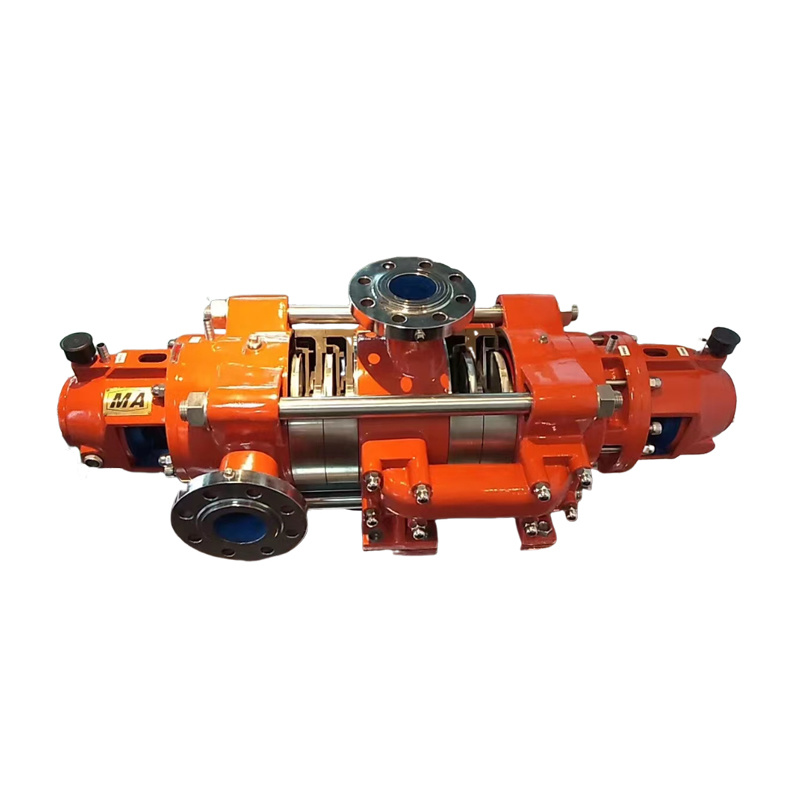
Multistage Pumps in Fire Protection Systems: Ensuring Safety and Reliability
Table of Contents
- Introduction to Multistage Pumps
- Functionality of Multistage Pumps in Fire Protection
- Advantages of Using Multistage Pumps
- Applications of Multistage Pumps in Fire Systems
- Key Components of Multistage Pumps
- Maintenance Tips for Optimal Performance
- Common Issues and Troubleshooting
- Conclusion
- Frequently Asked Questions
Introduction to Multistage Pumps
In today’s world, where safety is paramount, the role of multistage pumps in fire protection systems cannot be overstated. **Multistage pumps** are specifically designed to deliver high pressure and reliable water supply, essential for effective fire suppression. These pumps are utilized in various settings, including commercial buildings, industrial facilities, and municipal fire protection systems, ensuring that water is readily available during emergencies.
Functionality of Multistage Pumps in Fire Protection
Multistage pumps operate by using multiple impellers, which allow them to increase water pressure significantly while maintaining a steady flow rate. The pump comprises several stages, each adding more pressure to the water as it moves through the system. This mechanism is crucial for fire protection as it allows for effective water delivery over long distances and heights, ensuring that water reaches even the most challenging areas during a fire emergency.
The Need for High Pressure in Fire Systems
In the context of fire protection systems, **high pressure** is essential. Fires can spread rapidly, and timely water delivery is vital to suppress flames and prevent further damage. Multistage pumps excel in this regard, as they can achieve the necessary pressure levels to combat fires effectively.
Advantages of Using Multistage Pumps
There are several advantages to incorporating multistage pumps in fire protection systems. Understanding these benefits can help organizations make informed decisions when choosing the right equipment.
1. Efficient Pressure Generation
Multistage pumps are capable of generating high pressures efficiently. This allows for effective suppression of fires, especially in high-rise buildings or large industrial complexes where water must be transported over significant distances.
2. Versatility
These pumps can be tailored to suit various applications, whether it’s a small commercial building or a large industrial facility. Their adaptability makes them a preferred choice across different sectors.
3. Enhanced Reliability
Reliability is a critical factor in fire protection. Multistage pumps are designed for durability and consistent performance, ensuring that they function when needed most. Regular maintenance further enhances this reliability.
4. Space Efficiency
With their compact design, multistage pumps save valuable space, making them ideal for installations where footprint is limited. This is particularly beneficial in urban environments where space is at a premium.
5. Cost-Effectiveness
While the initial investment may be higher compared to single-stage pumps, the long-term benefits and savings realized from the efficiency and reliability of multistage pumps often outweigh these costs.
Applications of Multistage Pumps in Fire Systems
Multistage pumps are versatile and find applications across various sectors, each with unique requirements for fire protection.
1. Commercial Buildings
In office complexes and shopping centers, multistage pumps provide the necessary water pressure for automatic sprinkler systems and standpipe systems, ensuring swift response in case of fire.
2. Industrial Facilities
Plants and factories often require robust fire protection measures due to the presence of flammable materials. Multistage pumps are essential for providing reliable water supply to fire hoses and deluge systems.
3. High-Rise Buildings
High-rise structures pose unique challenges for fire safety. Multistage pumps can deliver water to upper floors, ensuring that firefighters have access to water where it’s needed most during emergencies.
4. Municipal Fire Protection
Many municipalities utilize multistage pumps in their fire protection infrastructure, ensuring that firefighters have access to adequate water supply in emergency situations. These systems are vital in urban areas with high population densities.
Key Components of Multistage Pumps
Understanding the key components of multistage pumps helps in appreciating their functionality and ensuring effective maintenance.
1. Impellers
The impellers are the heart of the pump, responsible for increasing water pressure. Each stage has its own impeller, working together to achieve the desired pressure output.
2. Diffusers
Diffusers guide the water from the impeller to the next stage, converting kinetic energy to pressure energy. They play a crucial role in the efficiency of multistage pumps.
3. Shaft
The shaft connects the impellers to the motor, allowing for rotational movement. A robust shaft is essential for the pump’s reliability and overall performance.
4. Bearings
Bearings reduce friction and wear on the shaft, ensuring smooth operation. Proper lubrication and maintenance of bearings are crucial for extending the life of the pump.
5. Casings
The pump casing houses all internal components and is designed to withstand high pressures. It is typically made from durable materials to ensure longevity and reliability.
Maintenance Tips for Optimal Performance
To ensure that multistage pumps function optimally, regular maintenance is essential. Here are some key maintenance tips:
1. Routine Inspections
Conduct regular inspections to identify any signs of wear or damage. Look for leaks, unusual noises, or vibrations that may indicate underlying issues.
2. Regular Lubrication
Keep bearings and moving parts well-lubricated to minimize friction and prevent premature wear. Follow the manufacturer’s recommendations for lubrication intervals.
3. Monitor Pressure Levels
Regularly check the pressure levels and flow rates of the pump. Any significant deviations from expected values may indicate a problem that needs addressing.
4. Clean Filters
Ensure that filters and strainers are cleaned or replaced regularly to prevent debris from entering the pump, which can cause damage and reduce efficiency.
5. Professional Maintenance
Consider hiring professionals for comprehensive maintenance checks. They can identify and resolve issues that may not be apparent during routine inspections.
Common Issues and Troubleshooting
Even with regular maintenance, multistage pumps may encounter issues. Understanding common problems and their solutions can help maintain performance.
1. Cavitation
Cavitation occurs when the pressure of the water drops below its vapor pressure, leading to the formation of vapor bubbles. This can cause significant damage. Ensure that the pump operates within the recommended pressure range to avoid cavitation.
2. Overheating
Overheating can result from inadequate lubrication or excessive load. Monitor the pump’s temperature and ensure proper lubrication is maintained.
3. Leaks
Leaks may occur due to worn or damaged seals. Regularly inspect seals and replace them if any signs of wear are detected.
4. Reduced Flow Rate
A decrease in flow rate may indicate blockages or wear in the impellers. Inspect for clogs and ensure that impellers are in good condition.
5. Motor Issues
Problems with the motor can lead to pump failure. Monitor the motor’s performance and conduct regular servicing to prevent issues.
Conclusion
Multistage pumps play a crucial role in fire protection systems, providing the necessary pressure and reliability to ensure safety in emergencies. Their advantages, including efficiency, versatility, and durability, make them indispensable in various applications ranging from commercial buildings to industrial facilities. By understanding their functionality and implementing regular maintenance, organizations can optimize these systems for maximum performance, ultimately enhancing fire protection measures and safeguarding lives and property.
Frequently Asked Questions
1. What is a multistage pump?
A multistage pump is a type of pump that utilizes multiple impellers to achieve high pressure and flow rates, making it ideal for applications like fire protection systems.
2. How do multistage pumps work?
Multistage pumps work by having multiple impellers that increase the pressure of water as it passes through each stage, ensuring effective water delivery across long distances.
3. What are the maintenance requirements for multistage pumps?
Regular inspections, lubrication, and cleaning of filters are essential for maintaining multistage pumps. Professional servicing is also recommended for comprehensive checks.
4. What are some common issues with multistage pumps?
Common issues include cavitation, overheating, leaks, reduced flow rates, and motor problems. Regular maintenance can help mitigate these issues.
5. Where are multistage pumps commonly used?
Multistage pumps are commonly used in commercial buildings, industrial facilities, high-rise buildings, and municipal fire protection systems to ensure adequate water supply during emergencies.
This comprehensive guide offers insights into the essential role of multistage pumps in fire protection systems. By understanding their functionality, benefits, and proper maintenance, organizations can significantly enhance their fire protection measures and ensure safety and reliability in emergencies.
Contact Us
E-mail :
liu@cnpumpmade.com
WhatsApp:
+8615028256698
Address:
Nanyang Industrial Park, Shifo Town, Anguo City, Hebei Province, China


Leave Your Message