To provide high-quality Water pump products for global customers.


Understanding Submersible Slurry Pumps: Essential Insights for Industrial Applications
Dec 05,2025
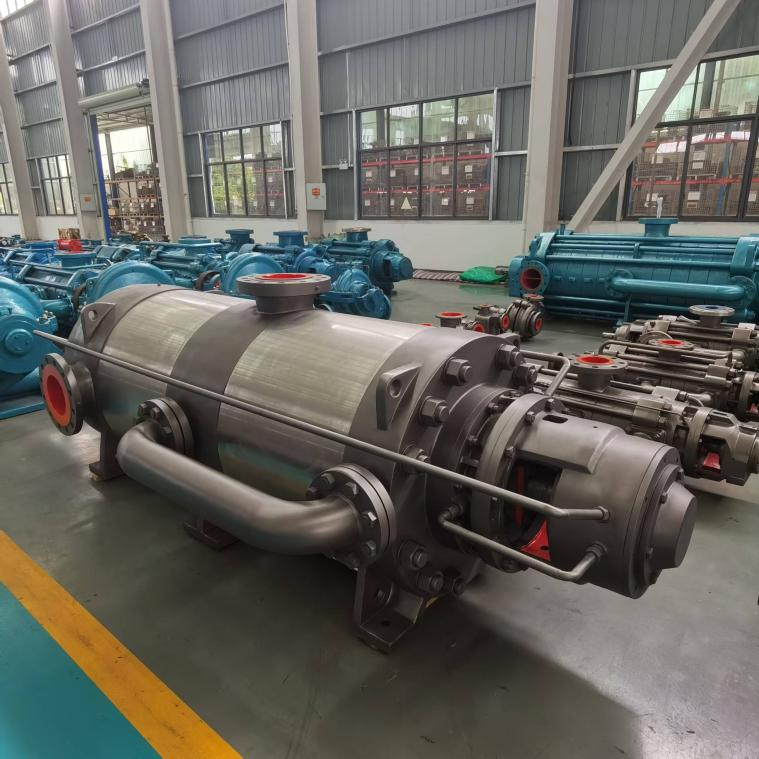
Submersible slurry pumps are specifically designed to handle abrasive and viscous materials in a variety of industrial applications. Unlike standard pumps that operate above the water level, submersible slurry pumps are submerged directly into the fluid being pumped. This unique design substantially reduces the risk of cavitation and allows for optimal performance in environments where traditional pumps would struggle.
The primary advantage of a submersible slurry pump is its ability to efficiently transport high-density slurries, consisting of solids mixed with liquids. These pumps are commonly used in industries such as mining, construction, and wastewater management, where dealing with thick and abrasive mixtures is a routine challenge. The construction materials of these pumps are typically robust, often incorporating high-chrome alloys or other wear-resistant materials to withstand the harsh conditions associated with slurry transport.
When selecting a submersible slurry pump, several key factors should be considered. First and foremost, the pump's capacity and performance specifications must align with the specific requirements of the application. This includes understanding the expected flow rate and the type of solids present in the slurry. Additionally, the pump's impeller design plays a crucial role in its efficiency; open impellers are often preferred for handling larger solids, while closed impellers provide better hydraulic efficiency for finer slurries.
Another critical consideration is the pump's power source. Submersible slurry pumps can be powered by electric motors, diesel engines, or hydraulic systems, each offering unique advantages depending on the operational environment and available resources. Electric pumps are ideal for fixed installations, whereas portable diesel or hydraulic options provide flexibility for temporary applications or remote sites.
Maintenance is also a vital aspect of ensuring the longevity and reliability of submersible slurry pumps. Regular inspections and timely servicing can prevent unexpected failures and prolong the pump's operational life. It is essential to monitor for wear on components such as seals and impellers, as these are often the first parts to experience degradation in abrasive applications.
In summary, submersible slurry pumps are indispensable tools in many industrial settings, capable of efficiently handling challenging materials. Understanding their designs, operational principles, and maintenance needs can empower professionals to enhance productivity and reduce downtime in their fluid management processes. As industries continue to evolve, these pumps will remain critical in addressing the complexities of slurry transportation and management.
The primary advantage of a submersible slurry pump is its ability to efficiently transport high-density slurries, consisting of solids mixed with liquids. These pumps are commonly used in industries such as mining, construction, and wastewater management, where dealing with thick and abrasive mixtures is a routine challenge. The construction materials of these pumps are typically robust, often incorporating high-chrome alloys or other wear-resistant materials to withstand the harsh conditions associated with slurry transport.
When selecting a submersible slurry pump, several key factors should be considered. First and foremost, the pump's capacity and performance specifications must align with the specific requirements of the application. This includes understanding the expected flow rate and the type of solids present in the slurry. Additionally, the pump's impeller design plays a crucial role in its efficiency; open impellers are often preferred for handling larger solids, while closed impellers provide better hydraulic efficiency for finer slurries.
Another critical consideration is the pump's power source. Submersible slurry pumps can be powered by electric motors, diesel engines, or hydraulic systems, each offering unique advantages depending on the operational environment and available resources. Electric pumps are ideal for fixed installations, whereas portable diesel or hydraulic options provide flexibility for temporary applications or remote sites.
Maintenance is also a vital aspect of ensuring the longevity and reliability of submersible slurry pumps. Regular inspections and timely servicing can prevent unexpected failures and prolong the pump's operational life. It is essential to monitor for wear on components such as seals and impellers, as these are often the first parts to experience degradation in abrasive applications.
In summary, submersible slurry pumps are indispensable tools in many industrial settings, capable of efficiently handling challenging materials. Understanding their designs, operational principles, and maintenance needs can empower professionals to enhance productivity and reduce downtime in their fluid management processes. As industries continue to evolve, these pumps will remain critical in addressing the complexities of slurry transportation and management.
Contact Us
E-mail :
liu@cnpumpmade.com
WhatsApp:
+8615028256698
Address:
Nanyang Industrial Park, Shifo Town, Anguo City, Hebei Province, China


Leave Your Message