To provide high-quality Water pump products for global customers.


Choosing the Right Submersible Slurry Pump for Your Application: A Comprehensive Guide
Sep 16,2026
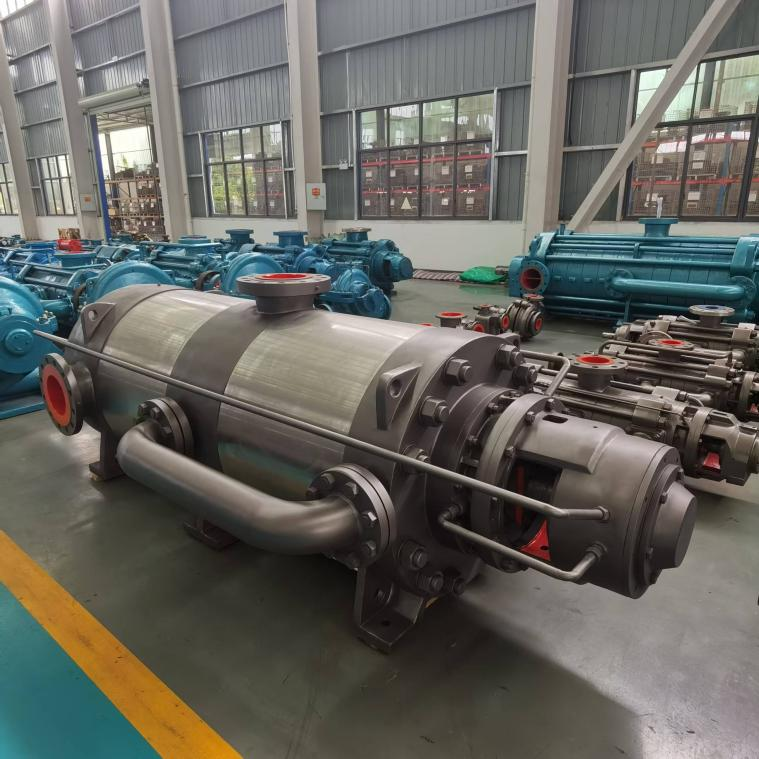
Choosing the Right Submersible Slurry Pump for Your Application
Introduction to Submersible Slurry Pumps
Submersible slurry pumps play a critical role in various industrial applications where the transfer of abrasive liquids and slurries is essential. These pumps are designed to operate while submerged in the liquid they pump, making them ideal for handling thick, viscous materials like mud, sand, and other particulates.
Choosing the right submersible slurry pump can significantly impact your operations, influencing efficiency, longevity, and overall performance. In this guide, we will explore the vital considerations involved in selecting the ideal pump for your specific needs.
Understanding Slurry Pump Applications
Common Industries Utilizing Submersible Slurry Pumps
Submersible slurry pumps are extensively used across various industries, including:
- **Construction:** For dewatering and handling cement slurries.
- **Mining:** To manage tailings and wastewater.
- **Wastewater Treatment:** In the movement of sludge.
- **Agriculture:** For irrigation and handling liquid fertilizers.
Understanding how these industries operate allows for a more tailored selection of pumps suited to unique requirements.
Key Factors to Consider When Choosing a Submersible Slurry Pump
To make an informed decision, several critical factors must be evaluated:
- **Type of Slurry:** Different materials require different pump designs.
- **Viscosity and Density:** These properties affect the pump's performance and capacity.
- **Pump Size:** The diameter and length must suit the application requirements.
- **Motor Power:** Assess the horsepower needed to handle the slurry effectively.
Each of these factors will guide you towards the most suitable pump model.
The Importance of Pump Construction Material
Choosing the Right Material for Durability
The construction material of the slurry pump is crucial due to the abrasive nature of the materials being pumped. Common materials include:
- **Cast Iron:** Offers good durability but may not withstand highly abrasive slurries.
- **Stainless Steel:** Resistant to corrosion, ideal for chemically aggressive slurries.
- **High-Chrome Alloys:** Perfect for extreme abrasion resistance.
Selecting the right material can extend the lifespan of your pump while reducing maintenance costs.
Assessing Pump Performance Curves
Understanding the Efficiency of Submersible Slurry Pumps
Performance curves provide critical data regarding a pump's operational efficiency. They illustrate flow rates, total dynamic head, and horsepower requirements at varying conditions. Here’s how to interpret these curves:
1. **Flow Rate:** Indicates the volume of slurry that can be moved in a specific time frame.
2. **Head Pressure:** Shows how high the pump can lift the slurry.
3. **Efficiency:** Higher efficiency ratings lead to lower operational costs.
By analyzing these curves, operators can select a pump that meets specific needs while minimizing energy consumption.
Choosing the Right Pump Design
Open vs. Closed Impeller Designs
Submersible slurry pumps come with various impeller designs, including open and closed configurations.
- **Open Impellers:** Better for handling larger particulates but may reduce efficiency.
- **Closed Impellers:** Ideal for finer slurries, offering better hydraulic performance.
Understanding these designs can help in selecting a pump that aligns with your application requirements.
Single vs. Multi-Stage Pumps
Another critical consideration is whether to choose a single or multi-stage pump.
- **Single-Stage Pumps:** Simpler and more cost-effective for lower lift requirements.
- **Multi-Stage Pumps:** Suitable for applications requiring higher pressures and lifts.
Selecting the appropriate pump stage ensures that your system operates efficiently and effectively.
Understanding Maintenance and Serviceability
Evaluating Pump Maintenance Requirements
When selecting a submersible slurry pump, consider the maintenance and serviceability aspects. Pumps that are easier to maintain reduce downtime and lower operational costs.
Factors to evaluate include:
- **Ease of Access:** Can components be easily reached for repair or replacement?
- **Availability of Spare Parts:** Are replacement parts readily available?
- **Manufacturer Support:** Does the manufacturer offer reliable after-sales support?
A well-supported pump can drastically improve your operations by minimizing unexpected failures.
Cost vs. Value: Analyzing Your Investment
Understanding the Long-term Benefits of Quality Pumps
While cost is an important factor when choosing a submersible slurry pump, it should not be the sole consideration. Investing in a high-quality pump may incur a higher upfront cost but often leads to reduced maintenance and increased efficiency over time.
Consider the total cost of ownership (TCO) when evaluating your options. This includes initial purchase price, operating costs, and expected lifespan.
Frequently Asked Questions (FAQs)
1. What is a submersible slurry pump?
A submersible slurry pump is designed to operate submerged in liquids, efficiently transferring abrasive slurries such as mud, sand, and wastewater.
2. How do I determine the right pump size for my application?
Evaluate the required flow rate and head pressure based on your specific application needs to determine the right pump size.
3. What materials are best for submersible slurry pumps?
The best materials include high-chrome alloys for abrasion resistance, stainless steel for corrosion resistance, and cast iron for general durability.
4. How often should I maintain my slurry pump?
Regular maintenance checks should be conducted based on usage frequency, but a general guideline is every 3-6 months.
5. Can submersible slurry pumps handle solids?
Yes, submersible slurry pumps are specifically designed to handle slurries with solid particulates, but the size and type of solids should match the pump specifications.
Conclusion
Selecting the right submersible slurry pump for your application involves careful consideration of various factors, including slurry type, pump material, and maintenance requirements. By understanding the intricacies of pump performance, designs, and overall costs, you can make an informed decision that enhances efficiency and longevity in your operations.
By following the guidelines laid out in this comprehensive guide, you can confidently choose a submersible slurry pump that meets your specific needs, ultimately leading to improved productivity and reduced operational challenges. Remember, the right pump is an investment that pays off in terms of performance and reliability.
Contact Us
E-mail :
liu@cnpumpmade.com
WhatsApp:
+8615028256698
Address:
Nanyang Industrial Park, Shifo Town, Anguo City, Hebei Province, China


Leave Your Message