To provide high-quality Water pump products for global customers.


Understanding Multistage Pumps: Efficiency, Applications, and Benefits
Oct 24,2025
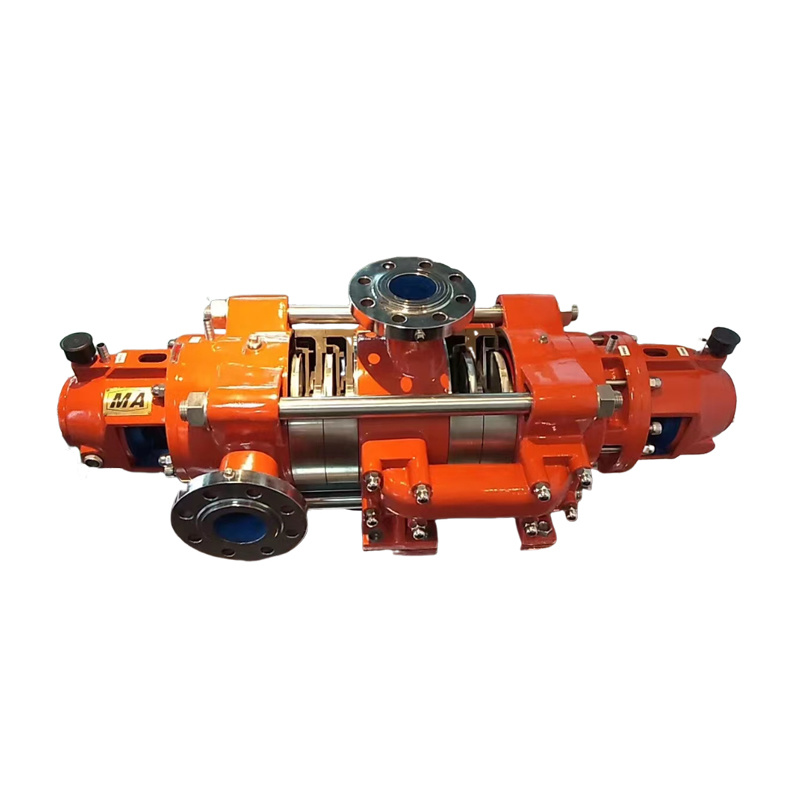
Multistage pumps are a vital component in many industrial settings, designed primarily for the efficient transfer of fluids across various applications. These pumps consist of multiple impellers, or stages, which work together to increase the pressure of the fluid being pumped. By utilizing a series of impellers, multistage pumps can achieve significant pressure increases that a single-stage pump may not be capable of providing.
One of the key advantages of multistage pumps is their ability to handle high-pressure applications while maintaining a relatively compact design. This makes them ideal for a variety of industries, including water treatment, oil and gas, agriculture, and power generation. In situations where high pressure is required, such as in boiler feedwater systems or cooling water systems, multistage pumps offer a reliable solution.
The operational principle behind multistage pumps involves the sequential addition of energy to the fluid. Each impeller stage adds velocity, which is then converted into pressure in the diffuser that follows it. This process can be repeated across multiple stages, allowing for the efficient management of fluid flow rates and pressures. The result is a more efficient operation, reduced energy consumption, and an overall lower operational cost.
In addition to their efficiency, multistage pumps are versatile in their design. They can be configured for different applications based on the specific needs of the operation, including variations in flow rate, pressure requirements, and the type of fluid being handled. This adaptability makes them an essential choice for industries that require precise control over the movement of liquids.
Moreover, multistage pumps are often constructed from durable materials that enhance their longevity and performance. Many models are designed to withstand harsh environments, making them suitable for processing aggressive chemicals or working in extreme temperatures. This resilience means that businesses can rely on multistage pumps for consistent performance over time, reducing the need for frequent maintenance or replacements.
Overall, understanding the principles, applications, and benefits of multistage pumps is crucial for any industrial operation reliant on effective fluid management. Their ability to deliver high pressure and flow rates, combined with their adaptability and durability, positions multistage pumps as a cornerstone in the realm of industrial equipment and components. Whether you are considering a new installation or looking to optimize an existing system, exploring the advantages of multistage pumps can lead to significant operational improvements.
One of the key advantages of multistage pumps is their ability to handle high-pressure applications while maintaining a relatively compact design. This makes them ideal for a variety of industries, including water treatment, oil and gas, agriculture, and power generation. In situations where high pressure is required, such as in boiler feedwater systems or cooling water systems, multistage pumps offer a reliable solution.
The operational principle behind multistage pumps involves the sequential addition of energy to the fluid. Each impeller stage adds velocity, which is then converted into pressure in the diffuser that follows it. This process can be repeated across multiple stages, allowing for the efficient management of fluid flow rates and pressures. The result is a more efficient operation, reduced energy consumption, and an overall lower operational cost.
In addition to their efficiency, multistage pumps are versatile in their design. They can be configured for different applications based on the specific needs of the operation, including variations in flow rate, pressure requirements, and the type of fluid being handled. This adaptability makes them an essential choice for industries that require precise control over the movement of liquids.
Moreover, multistage pumps are often constructed from durable materials that enhance their longevity and performance. Many models are designed to withstand harsh environments, making them suitable for processing aggressive chemicals or working in extreme temperatures. This resilience means that businesses can rely on multistage pumps for consistent performance over time, reducing the need for frequent maintenance or replacements.
Overall, understanding the principles, applications, and benefits of multistage pumps is crucial for any industrial operation reliant on effective fluid management. Their ability to deliver high pressure and flow rates, combined with their adaptability and durability, positions multistage pumps as a cornerstone in the realm of industrial equipment and components. Whether you are considering a new installation or looking to optimize an existing system, exploring the advantages of multistage pumps can lead to significant operational improvements.
Contact Us
E-mail :
liu@cnpumpmade.com
WhatsApp:
+8615028256698
Address:
Nanyang Industrial Park, Shifo Town, Anguo City, Hebei Province, China


Leave Your Message