To provide high-quality Water pump products for global customers.


How Gravel Pumps Enhance Material Handling in Mining Operations
Oct 27,2025
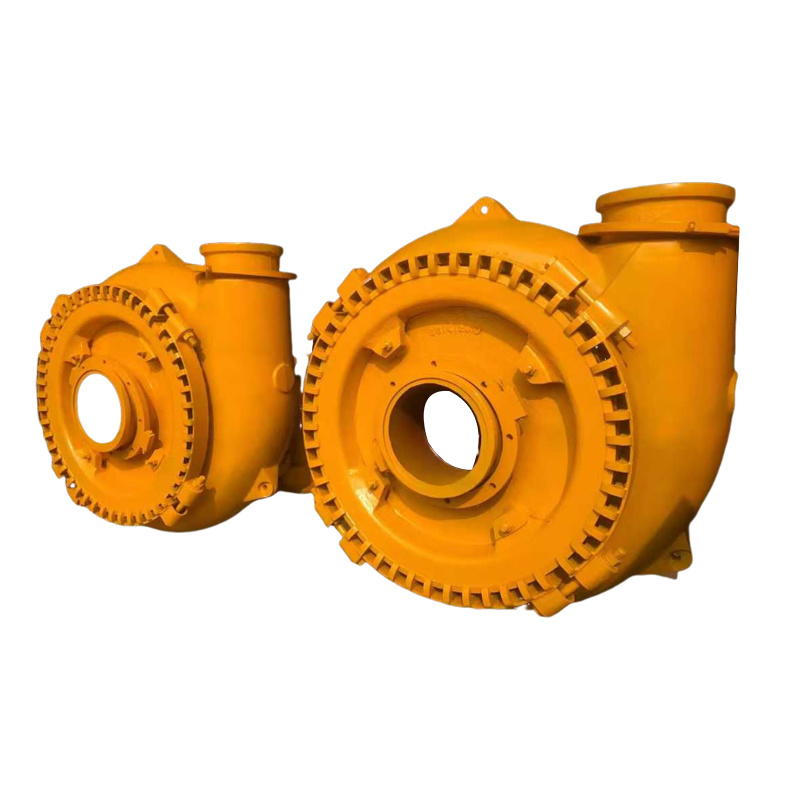
Introduction to Gravel Pumps in Mining
In the mining industry, efficient **material handling** is crucial for maximizing productivity and ensuring **safety**. Among the key players in this domain are **gravel pumps**, specialized equipment designed to transport abrasive materials like sand, gravel, and slurry. These pumps are engineered to meet the demanding conditions of mining operations, where traditional methods often fall short. By leveraging advanced technology, gravel pumps enhance both the **efficiency** and **safety** of material handling processes.
The Importance of Efficient Material Handling in Mining Operations
Mining operations involve the extraction of valuable minerals from the earth, a process that requires careful planning and execution. Efficient material handling is vital for several reasons:
1. Enhanced Productivity
Efficient material handling systems streamline operations, reducing downtime and increasing throughput. Gravel pumps facilitate faster transportation of materials, allowing for quicker processing and improved overall productivity.
2. Cost-Effectiveness
By optimizing material handling, mining operations can reduce operational costs. Gravel pumps minimize the need for manual labor and decrease equipment wear, leading to lower maintenance costs and extended equipment lifespans.
3. Safety Considerations
The mining environment can be hazardous, with workers exposed to various risks. Implementing gravel pumps reduces manual handling of heavy loads, thereby enhancing worker safety and minimizing accident rates.
Understanding Gravel Pumps: Types and Mechanics
Gravel pumps come in various types, each designed to handle specific material characteristics and operational requirements. Understanding these different types can help mining operators choose the right equipment for their needs.
1. Centrifugal Gravel Pumps
Centrifugal gravel pumps utilize centrifugal force to move materials. They are ideal for transporting slurries and can handle large volumes of material efficiently. These pumps are widely used in mining due to their versatility and reliability.
2. Positive Displacement Pumps
Positive displacement pumps operate by trapping a fixed amount of material and moving it through the pump mechanism. This type is particularly effective for high-viscosity materials and offers consistent flow rates, making it suitable for various mining applications.
3. Submersible Gravel Pumps
Submersible pumps are designed to operate underwater, making them ideal for dredging applications. They can effectively handle water-laden gravel and sediments, ensuring continued operations in challenging environments.
Key Features of Gravel Pumps That Enhance Material Handling
Gravel pumps come equipped with several features that significantly improve their performance in mining operations.
1. Abrasion Resistance
Given that gravel and sand are abrasive materials, gravel pumps are constructed with durable materials that resist wear. This feature prolongs the pump’s lifespan and reduces downtime due to maintenance.
2. High Flow Rates
Gravel pumps are engineered to achieve high flow rates, essential for efficient material transportation. This capability allows mining operations to move large quantities of material quickly, minimizing delays.
3. Versatile Applications
One of the major advantages of gravel pumps is their versatility. They can be adapted for various applications, including **dredging**, **tailings management**, and **dewatering**, making them invaluable in the mining sector.
How Gravel Pumps Improve Operational Efficiency
The implementation of gravel pumps in mining operations leads to significant improvements in efficiency.
1. Streamlined Material Transportation
Gravel pumps facilitate rapid transport of materials from extraction sites to processing areas. This streamlining reduces the time required for each phase of the mining process, allowing for faster project completion.
2. Integration with Other Equipment
Gravel pumps can be easily integrated with other mining equipment such as **excavators** and **conveyors**. This compatibility enhances the overall efficiency of material handling systems, creating a cohesive operational workflow.
3. Reduced Labor Costs
By automating the transport of materials, gravel pumps minimize the reliance on manual labor. This reduction not only cuts costs but also alleviates the physical burden on workers, enhancing job satisfaction and retention.
The Impact of Gravel Pumps on Safety in Mining
Safety is a paramount concern in mining operations. The adoption of gravel pumps contributes to a safer working environment.
1. Minimizing Manual Handling
Gravel pumps reduce the need for workers to manually transport heavy materials, thus decreasing the risk of injuries related to lifting and carrying. This automation enhances overall workplace safety.
2. Improved Environmental Management
Effective material handling with gravel pumps also aids in environmental management by reducing spillage and contamination. Proper containment and transportation of materials mitigate the environmental impact of mining activities.
3. Emergency Response Capability
Gravel pumps can be quickly mobilized in emergency situations, such as flooding or equipment failure. Their ability to rapidly remove water and debris enhances safety protocols and response times.
Maintenance Considerations for Gravel Pumps
To ensure longevity and optimal performance, proper maintenance of gravel pumps is essential.
1. Regular Inspection and Cleaning
Routine inspections help identify wear and tear before they escalate into significant issues. Cleaning the pump components regularly prevents blockages that can lead to operational inefficiencies.
2. Lubrication and Parts Replacement
Proper lubrication of moving parts reduces friction and wear. Additionally, replacing worn components promptly ensures consistent performance and avoids unexpected failures.
3. Monitoring Performance Metrics
Keeping track of performance metrics, such as flow rates and energy consumption, allows operators to identify potential issues early. This proactive approach can significantly improve maintenance scheduling and operational efficiency.
Future Trends in Gravel Pump Technology
As technology evolves, so too does the design and functionality of gravel pumps. Emerging trends are set to reshape material handling in mining.
1. Automation and Smart Technology
The integration of smart technology into gravel pumps is on the rise. Automation features such as remote monitoring and predictive maintenance are becoming standard, allowing for real-time performance tracking and improved decision-making.
2. Energy Efficiency Innovations
With a growing emphasis on sustainability, manufacturers are focusing on developing energy-efficient gravel pumps. These innovations aim to reduce energy consumption while maintaining high performance levels.
3. Enhanced Material Compatibility
Advancements in material science are leading to gravel pumps that can handle a broader range of materials. This versatility will allow mining operations to adapt to varying conditions and requirements more effectively.
Conclusion
In conclusion, gravel pumps play a critical role in enhancing material handling within mining operations. Their ability to improve efficiency, reduce costs, and promote safety makes them indispensable in the industry. As technology continues to advance, the evolution of gravel pump designs will further optimize their performance, ensuring that mining operations remain productive and sustainable. By investing in the right gravel pump solutions, mining companies can position themselves for success in an increasingly competitive landscape.
FAQs
1. What types of materials can gravel pumps handle?
Gravel pumps are designed to transport a variety of materials, including sand, gravel, slurry, and other abrasive substances.
2. How do I choose the right gravel pump for my mining operation?
Selecting the right gravel pump depends on several factors, including the type of material being transported, flow rate requirements, and operational conditions.
3. What maintenance is required for gravel pumps?
Regular inspections, cleaning, lubrication, and parts replacement are essential for maintaining gravel pumps and ensuring optimal performance.
4. Can gravel pumps operate in underwater conditions?
Yes, submersible gravel pumps are specifically designed to operate underwater, making them ideal for dredging applications.
5. How do gravel pumps enhance worker safety in mining operations?
By minimizing manual handling of heavy materials, gravel pumps reduce the risk of injuries and enhance overall workplace safety in mining environments.
Contact Us
E-mail :
liu@cnpumpmade.com
WhatsApp:
+8615028256698
Address:
Nanyang Industrial Park, Shifo Town, Anguo City, Hebei Province, China


Leave Your Message