To provide high-quality Water pump products for global customers.


Common Myths About Double Suction Pumps Debunked: The Truth Behind Their Efficiency and Performance
Oct 15,2025
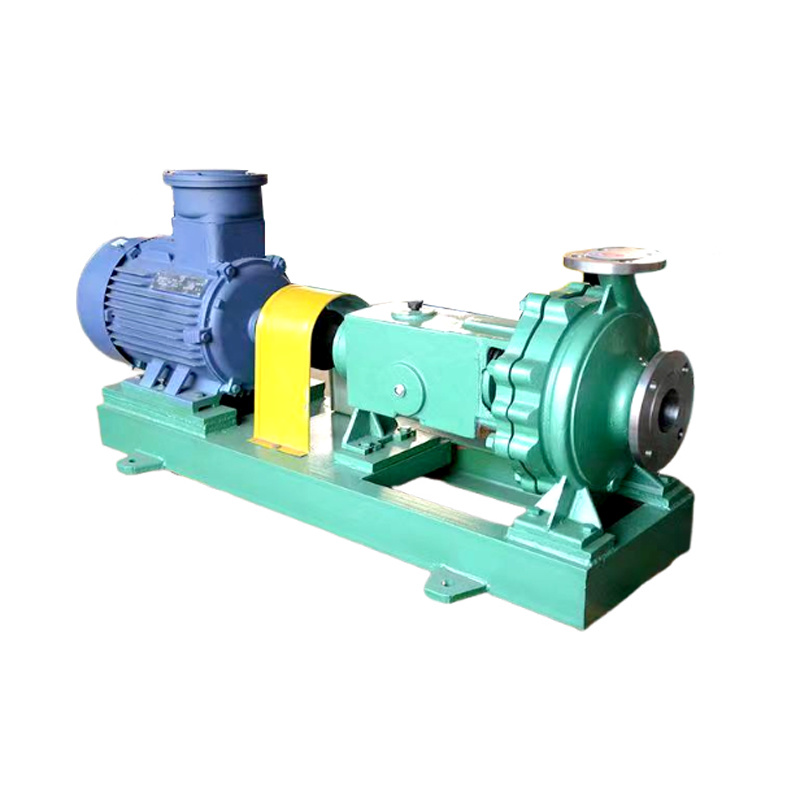
Common Myths About Double Suction Pumps Debunked
Double suction pumps play a crucial role in various industrial applications, yet they are often misunderstood. This article aims to clarify these misconceptions and provide an accurate understanding of double suction pumps. We will explore their functionality, advantages, and the myths that surround them.
Table of Contents
- 1. Introduction to Double Suction Pumps
- 2. Myth 1: Double Suction Pumps Are Not Efficient
- 3. Myth 2: They Are Too Complex to Maintain
- 4. Myth 3: Double Suction Pumps Are Only for Large Applications
- 5. Myth 4: They Are Not Suitable for High-Pressure Applications
- 6. Myth 5: All Double Suction Pumps Are the Same
- 7. Myth 6: They Are Prone to Cavitation
- 8. Best Practices for Maintaining Double Suction Pumps
- 9. Conclusion
- 10. FAQs
1. Introduction to Double Suction Pumps
Double suction pumps are designed with two impellers that draw fluid from opposite sides of the pump, allowing for balanced hydraulic loading and reduced axial thrust. This unique design makes them favored in various applications, including water treatment, HVAC systems, and industrial processes. Understanding their operational principles is essential for dispelling the myths that often surround them.
2. Myth 1: Double Suction Pumps Are Not Efficient
One of the most prevalent misconceptions is that double suction pumps lack efficiency compared to single-suction pumps. In reality, double suction pumps are engineered to minimize hydraulic losses and optimize flow rates. Their design allows them to handle larger volumes of fluid while maintaining high efficiency, particularly in high-capacity installations where flow demands are significant.
Evaluating Efficiency in Different Applications
Efficiency is often evaluated based on application context. For high-flow applications, such as municipal water distribution, double suction pumps can outperform other types, delivering reliable performance with lower energy consumption. This efficiency is essential for reducing operational costs over time, making double suction pumps an economically sound choice for many industries.
3. Myth 2: They Are Too Complex to Maintain
Another common myth is that double suction pumps are overly complicated and thus require extensive maintenance. While it's true that these pumps have more components than their single-suction counterparts, they are designed for ease of maintenance. Many models feature accessible designs that allow technicians to perform necessary inspections and repairs without extensive disassembly.
Streamlined Maintenance Practices
Regular maintenance practices, such as monitoring bearing conditions and inspecting seals, are crucial for any pump's longevity. However, double suction pumps often come with maintenance-friendly features, such as split casings that allow for easy access to internal components. This design minimizes downtime and ensures that the pumps operate efficiently for years.
4. Myth 3: Double Suction Pumps Are Only for Large Applications
It is a common belief that double suction pumps are exclusively suitable for large-scale applications. However, this is not entirely accurate. While they excel in high-capacity scenarios, manufacturers offer various models tailored for smaller applications as well. Choosing the right pump depends on the specific requirements of the project rather than purely on size.
Versatility in Design
Double suction pumps come in a range of sizes and configurations, making them versatile enough to meet the needs of both small and large systems. For example, smaller double suction pumps can be used effectively in commercial buildings or smaller industrial processes without compromising performance.
5. Myth 4: They Are Not Suitable for High-Pressure Applications
Many assume that double suction pumps are not designed for high-pressure applications due to their configuration. However, this is a misconception. In fact, double suction pumps can be highly effective in high-pressure scenarios. Their design helps to balance the forces acting on the impeller, allowing them to withstand and operate efficiently under higher pressures.
Applications in High-Pressure Systems
In processes such as oil and gas extraction or chemical manufacturing, where high pressure is essential, double suction pumps can deliver the required performance without the risk of failure. Selecting the appropriate materials and design features allows these pumps to thrive in demanding environments.
6. Myth 5: All Double Suction Pumps Are the Same
The idea that all double suction pumps are interchangeable is a misconception that can lead to inefficiencies. In reality, there is a wide variety of designs, materials, and configurations available in double suction pumps. Understanding these differences is crucial for selecting the right pump for your specific application.
Customization and Selection
Different industries may require pumps made from specific materials to handle corrosive substances or extreme temperatures. Additionally, various impeller designs can impact efficiency and flow characteristics. Consulting with pump specialists ensures that the right pump is chosen for the intended application, optimizing performance and reliability.
7. Myth 6: They Are Prone to Cavitation
Cavitation is a common concern in any pump application, and some believe that double suction pumps are more susceptible to this issue. However, with proper design and installation, the risk of cavitation can be effectively managed. Double suction pumps are specifically engineered to minimize cavitation, allowing for more stable operation.
Strategies to Prevent Cavitation
Factors such as system design, installation practices, and proper pump selection play a critical role in preventing cavitation. Ensuring an appropriate NPSH (Net Positive Suction Head) and monitoring for changes in system pressure help mitigate the risk of cavitation in double suction pumps, leading to improved reliability and lifespan.
8. Best Practices for Maintaining Double Suction Pumps
To maximize the performance and lifespan of double suction pumps, implementing effective maintenance strategies is vital. Here are some best practices to follow:
Regular Inspections
Conduct routine inspections to check for wear and tear, particularly on bearings and seals. Early detection of potential issues can prevent costly repairs and downtime.
Monitor Operating Conditions
Keep an eye on operating parameters such as flow rate, pressure, and temperature. Deviations from normal operating conditions may indicate underlying problems that require immediate attention.
Lubrication Maintenance
Ensure that bearings are properly lubricated according to manufacturer specifications. Adequate lubrication reduces friction and wear, prolonging pump life.
Cleanliness is Key
Maintain a clean environment around the pump to prevent contaminants from entering the system. Regularly clean the pump casing and surrounding areas to avoid buildup.
Training and Education
Invest in training for personnel responsible for pump operation and maintenance. Understanding how double suction pumps function will enable staff to perform effective troubleshooting and maintenance.
9. Conclusion
Double suction pumps are often misunderstood due to various myths that confuse their capabilities and applications. By debunking these myths, we gain a clearer understanding of their efficiency, versatility, and suitability for different applications. With proper maintenance and selection, double suction pumps can offer unparalleled performance in various industrial settings, making them an invaluable asset in modern operations.
10. FAQs
Q1: What are the main advantages of double suction pumps?
A1: Double suction pumps offer higher efficiency for large flow rates, reduced axial thrust, lower maintenance requirements, and are suitable for various applications, including high-pressure systems.
Q2: Can double suction pumps be used in corrosive environments?
A2: Yes, these pumps can be manufactured using corrosion-resistant materials, making them suitable for handling corrosive fluids.
Q3: How do I determine the right size of a double suction pump for my application?
A3: Assess your required flow rate, pressure, and the characteristics of the fluid being pumped to select the appropriate size and model.
Q4: What are the common materials used in double suction pump construction?
A4: Common materials include cast iron, stainless steel, and various alloys designed to withstand specific operating conditions.
Q5: How often should I perform maintenance on my double suction pump?
A5: Regular inspections should be conducted at least quarterly, with more frequent checks depending on the pump's operating conditions and criticality to your processes.
Contact Us
E-mail :
liu@cnpumpmade.com
WhatsApp:
+8615028256698
Address:
Nanyang Industrial Park, Shifo Town, Anguo City, Hebei Province, China


Leave Your Message