To provide high-quality Water pump products for global customers.


Understanding Gravel Pumps: Essential Tools for Efficient Material Handling
Oct 12,2025
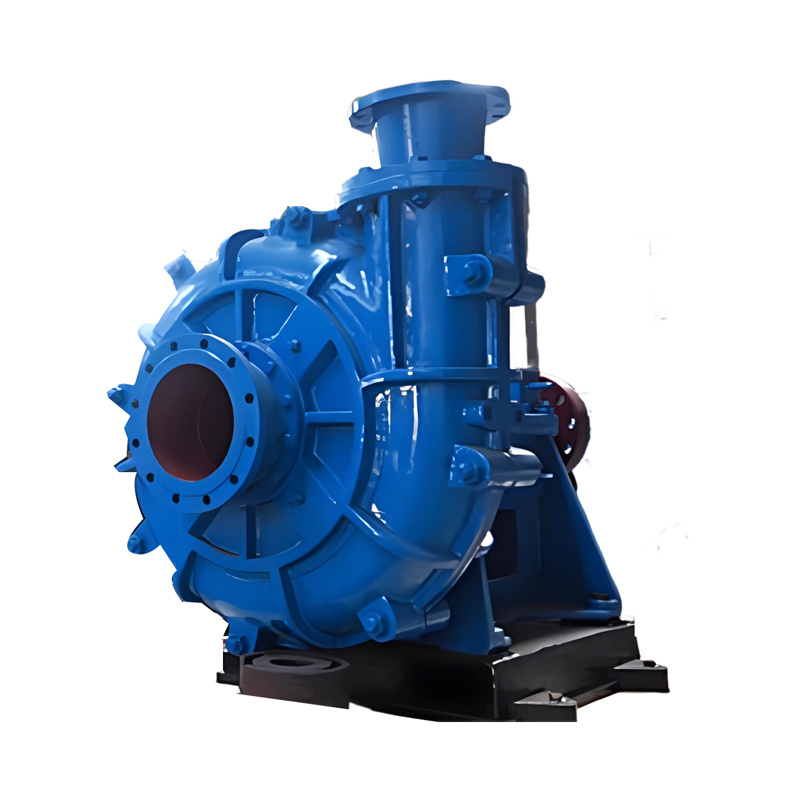
Gravel pumps play a crucial role in moving materials that are often too heavy or abrasive for standard pumping systems. They are specifically engineered to handle gravel, sand, and slurry mixtures, making them invaluable in industries where such materials are prevalent. The design of a gravel pump typically features a robust construction, which includes a wear-resistant casing and impeller that can endure the harsh conditions of transporting abrasive substances.
One of the primary advantages of using gravel pumps is their ability to handle high solids content without clogging. Unlike conventional pumps, gravel pumps are equipped with wider inlet and outlet passages, allowing for a smoother flow of materials. This characteristic is essential when dealing with gravel and other coarse materials that can easily obstruct standard pumping systems. Additionally, the hydraulic design of these pumps is optimized to maintain high efficiency, reducing energy consumption during operation.
Gravel pumps are utilized in various applications, including:
1. **Mining Operations**: In the mining industry, gravel pumps are essential for transporting sediment and slurry from mining sites. They facilitate the removal of debris and ensure efficient processing of raw materials.
2. **Dredging**: In dredging operations, gravel pumps are used to excavate and transport sediment from the bottom of water bodies. This is vital for maintaining navigable waterways and managing sediment build-up.
3. **Construction Projects**: During construction, gravel pumps are instrumental in moving materials such as sand and gravel for foundations, road building, and other infrastructural developments.
4. **Agricultural Applications**: In agriculture, gravel pumps can aid in irrigation processes, allowing for the movement of water mixed with sediment to enhance soil quality.
When considering a gravel pump for specific applications, it is crucial to evaluate factors such as the pump's capacity, the type of materials being handled, and the operational environment. Proper maintenance is also vital to extend the lifespan of the pump and ensure optimal performance over time. Regular inspections and servicing can help identify wear and tear, ensuring that the pump remains effective in its operations.
In summary, gravel pumps are essential industrial equipment that facilitate the movement of abrasive materials across various sectors. Their specialized design and efficiency make them a preferred choice for handling tough applications, from mining to construction. Understanding the functionalities and benefits of gravel pumps can assist operators in making informed decisions when selecting the right pumping solution for their needs.
One of the primary advantages of using gravel pumps is their ability to handle high solids content without clogging. Unlike conventional pumps, gravel pumps are equipped with wider inlet and outlet passages, allowing for a smoother flow of materials. This characteristic is essential when dealing with gravel and other coarse materials that can easily obstruct standard pumping systems. Additionally, the hydraulic design of these pumps is optimized to maintain high efficiency, reducing energy consumption during operation.
Gravel pumps are utilized in various applications, including:
1. **Mining Operations**: In the mining industry, gravel pumps are essential for transporting sediment and slurry from mining sites. They facilitate the removal of debris and ensure efficient processing of raw materials.
2. **Dredging**: In dredging operations, gravel pumps are used to excavate and transport sediment from the bottom of water bodies. This is vital for maintaining navigable waterways and managing sediment build-up.
3. **Construction Projects**: During construction, gravel pumps are instrumental in moving materials such as sand and gravel for foundations, road building, and other infrastructural developments.
4. **Agricultural Applications**: In agriculture, gravel pumps can aid in irrigation processes, allowing for the movement of water mixed with sediment to enhance soil quality.
When considering a gravel pump for specific applications, it is crucial to evaluate factors such as the pump's capacity, the type of materials being handled, and the operational environment. Proper maintenance is also vital to extend the lifespan of the pump and ensure optimal performance over time. Regular inspections and servicing can help identify wear and tear, ensuring that the pump remains effective in its operations.
In summary, gravel pumps are essential industrial equipment that facilitate the movement of abrasive materials across various sectors. Their specialized design and efficiency make them a preferred choice for handling tough applications, from mining to construction. Understanding the functionalities and benefits of gravel pumps can assist operators in making informed decisions when selecting the right pumping solution for their needs.
PREVIOUS:
Contact Us
E-mail :
liu@cnpumpmade.com
WhatsApp:
+8615028256698
Address:
Nanyang Industrial Park, Shifo Town, Anguo City, Hebei Province, China


Leave Your Message