To provide high-quality Water pump products for global customers.


Why Choosing the Right Gravel Pump Matters for Your Industrial Operations
May 06,2025
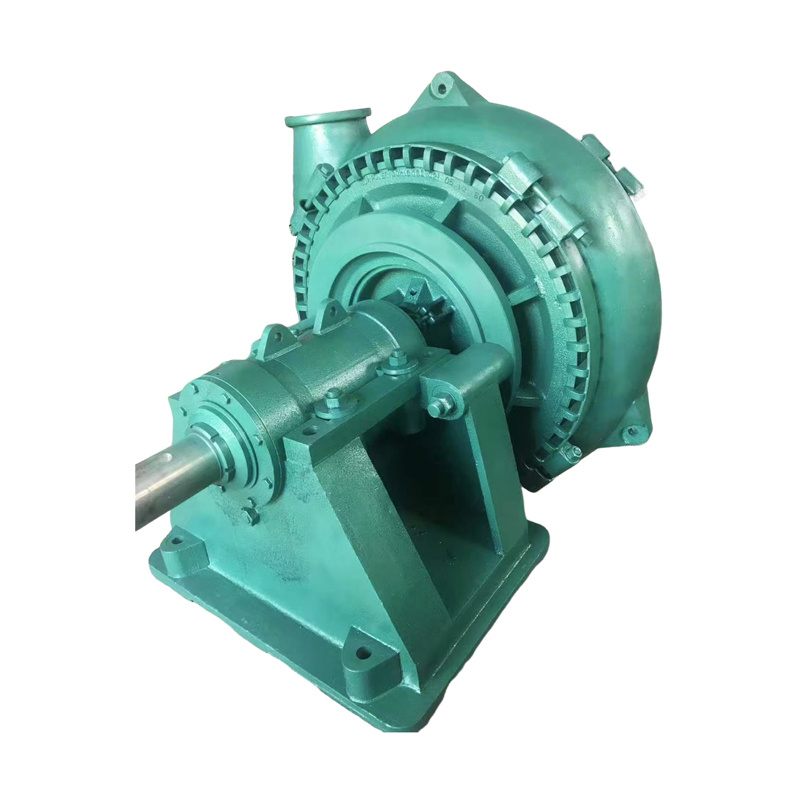
Why Choosing the Right Gravel Pump Matters for Your Industrial Operations
In the realm of industrial operations, particularly those involving heavy materials, the choice of equipment can significantly impact efficiency, safety, and overall productivity. One such critical component is the gravel pump. **Understanding why selecting the right gravel pump is essential** for your industrial applications can mean the difference between seamless operations and costly downtime. In this article, we delve deep into the significance of gravel pumps, the various types available, their applications, and tips for choosing the right one for your needs.
Table of Contents
1. Introduction to Gravel Pumps
2. The Importance of Selecting the Right Gravel Pump
3. Types of Gravel Pumps
- 3.1 Centrifugal Gravel Pumps
- 3.2 Submersible Gravel Pumps
- 3.3 Diaphragm Gravel Pumps
4. Applications of Gravel Pumps in Industrial Operations
5. Factors to Consider When Choosing a Gravel Pump
- 5.1 Pump Capacity
- 5.2 Material Handling
- 5.3 Maintenance Requirements
- 5.4 Cost-effectiveness
6. Optimizing Performance with the Right Gravel Pump
7. Common Issues with Gravel Pumps and Solutions
8. Conclusion
9. FAQs
Introduction to Gravel Pumps
Gravel pumps are specialized pumps designed to handle abrasive slurries, including gravel, sand, and similar materials. These pumps play a crucial role in various industrial sectors, including mining, construction, and wastewater management. Their ability to transport heavy and coarse materials efficiently makes them indispensable in activities such as dredging and material handling.
The Importance of Selecting the Right Gravel Pump
Selecting the appropriate gravel pump is vital for several reasons. **Firstly, it affects operational efficiency**. The right pump ensures a smooth material flow, reducing the likelihood of blockages and downtime. **Secondly, it impacts overall costs**. A well-chosen pump minimizes energy usage and maintenance expenses, contributing to a more economical operation. **Lastly, safety cannot be overlooked**. Using the wrong pump may lead to equipment failure, which can pose safety risks for workers.
Types of Gravel Pumps
Understanding the various types of gravel pumps can aid in making an informed choice tailored to specific operational needs.
Centrifugal Gravel Pumps
Centrifugal gravel pumps utilize rotational energy to move materials. They are known for their reliability and ability to handle large volumes of slurry efficiently. These pumps are ideal for applications where high flow rates are required, making them popular in mining and construction projects.
Submersible Gravel Pumps
Submersible gravel pumps are designed to operate underwater. They are often used in applications where the pumping source is submerged, such as in dredging operations. Their design minimizes the risk of cavitation and ensures optimal performance in challenging environments.
Diaphragm Gravel Pumps
Diaphragm gravel pumps utilize a flexible diaphragm to create suction and discharge, making them suitable for handling slurries with high solid content. These pumps are particularly effective in transferring materials that can damage other pump types, ensuring durability and longevity.
Applications of Gravel Pumps in Industrial Operations
Gravel pumps have diverse applications across various industries. They are commonly used in:
- **Mining Operations**: Efficiently transport mined materials from extraction sites to processing facilities.
- **Construction Sites**: Move gravel, sand, and other aggregates for concrete production and site preparation.
- **Dredging**: Remove sediment from water bodies, ensuring navigability and environmental health.
- **Wastewater Management**: Handle sludge and other heavy materials in treatment facilities.
Each application requires specific pump features to meet operational demands effectively.
Factors to Consider When Choosing a Gravel Pump
When selecting a gravel pump, several critical factors should be evaluated to ensure optimal performance.
Pump Capacity
The pump's capacity refers to the volume of material it can move within a specific time frame. It is essential to choose a pump that matches the demands of your operations to avoid interruptions.
Material Handling
Different gravel pumps are designed for various types of materials. Consider the size, density, and abrasiveness of the materials you will be handling. A pump that can effectively manage these characteristics will reduce wear and tear and enhance longevity.
Maintenance Requirements
Regular maintenance is crucial for optimal performance. Consider the ease of maintenance when selecting a gravel pump. Pumps that are easier to service can significantly reduce downtime and maintenance costs.
Cost-effectiveness
Evaluate the total cost of ownership, including initial investment, operating costs, and maintenance expenses. It is often beneficial to invest in a higher-quality pump that may have a higher upfront cost but leads to lower lifetime costs.
Optimizing Performance with the Right Gravel Pump
To maximize the performance of your gravel pump, ensure that it is correctly sized for your application. Regular inspections and maintenance can prevent potential issues and prolong the pump's lifespan. Additionally, staying informed about advancements in pump technology can help you make enhancements that improve efficiency and reduce costs.
Common Issues with Gravel Pumps and Solutions
Like any equipment, gravel pumps may face challenges during operation. Some common issues include:
- **Clogging**: Occurs when materials become trapped within the pump. Regularly inspect and maintain the pump to avoid this.
- **Cavitation**: A phenomenon where vapor bubbles form, potentially damaging the pump. Ensure your pump operates within the recommended parameters to minimize this risk.
- **Wear and Tear**: Abrasive materials can cause significant wear. Choosing a pump made from durable materials can mitigate this issue.
Identifying issues early and implementing proactive measures can ensure your operations remain uninterrupted.
Conclusion
Choosing the right gravel pump plays a critical role in the success of industrial operations. From increasing efficiency and reducing costs to ensuring safety, the right pump selection can transform your workflows. By understanding the different types of gravel pumps, their applications, and the essential factors to consider, you can make informed decisions that benefit your operations. Investing time and resources into selecting the right equipment is not just a matter of convenience; it is a strategic move that can lead to long-term success and productivity in your industrial endeavors.
FAQs
1. **What is a gravel pump?**
A gravel pump is a specialized pump designed to transport abrasive materials such as gravel and sand.
2. **What types of gravel pumps are available?**
Common types include centrifugal, submersible, and diaphragm gravel pumps, each suited for different applications.
3. **How do I determine the right pump capacity for my needs?**
Consider the volume of material you need to transport and the desired flow rate to select the appropriate pump capacity.
4. **What maintenance is required for gravel pumps?**
Routine inspections, cleaning, and servicing are essential to keep gravel pumps in optimal working condition.
5. **Can gravel pumps handle different materials?**
Many gravel pumps are versatile and can handle various materials, but it's essential to select one specifically designed for the type of material you will be using.
Contact Us
E-mail :
liu@cnpumpmade.com
WhatsApp:
+8615028256698
Address:
Nanyang Industrial Park, Shifo Town, Anguo City, Hebei Province, China


Leave Your Message