To provide high-quality Water pump products for global customers.


Understanding Multistage Pumps: A Comprehensive Guide for Industrial Applications
May 05,2025
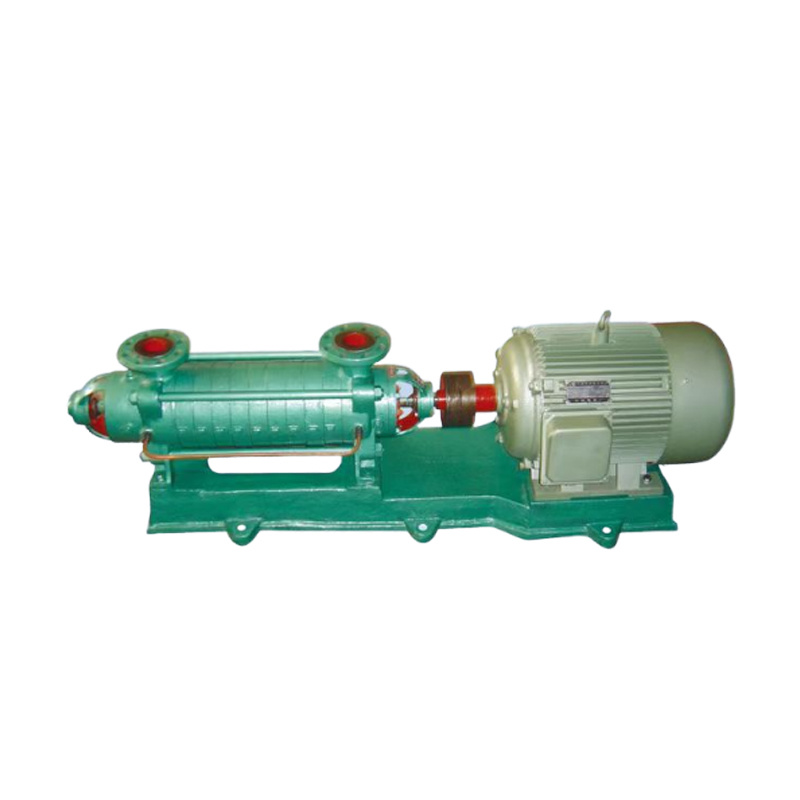
Multistage pumps are essential components in various industrial applications, known for their ability to generate high pressure and efficiently move fluids over long distances. Unlike single-stage pumps, which utilize a single impeller to achieve flow, multistage pumps consist of multiple impellers arranged in a series. This unique configuration enables them to achieve greater pressure output, making them ideal for applications such as water supply, boiler feed, and chemical processing.
One of the primary advantages of a multistage pump is its versatility in handling different fluid types, including water, chemicals, and even slurries. The design allows for customization based on specific requirements, such as flow rate and pressure. Industries that commonly utilize these pumps include agriculture, pharmaceuticals, oil and gas, and wastewater treatment.
When considering a multistage pump, it's crucial to understand its components and how they work together. Each stage of the pump consists of an impeller and a diffuser. The impeller rotates to increase the velocity of the fluid, while the diffuser converts that velocity into pressure. The cumulative effect of multiple stages enables the pump to achieve high discharge pressures while maintaining a relatively low flow rate. This makes multistage pumps particularly suited for applications requiring consistent pressure output, even at varying flow conditions.
In addition to their high-pressure capabilities, multistage pumps are often more energy-efficient than their single-stage counterparts. Their ability to operate at lower rotational speeds reduces wear and tear, leading to a longer lifespan and lower maintenance costs. However, proper maintenance is essential to ensure optimal performance. Regular inspections, monitoring for leaks, and checking for wear on impellers and seals can significantly extend the life of the pump.
When selecting a multistage pump, it's important to consider factors such as the required flow rate, total dynamic head, and the nature of the fluid being pumped. Engineers often use performance curves to match the pump to the specific application, ensuring efficient operation and minimizing energy consumption.
In summary, multistage pumps are a vital part of industrial operations, providing high-pressure solutions for a wide range of applications. Their efficiency, versatility, and long lifespan make them a preferred choice for many industries. Understanding how these pumps work and the factors that influence their performance can help professionals make informed decisions, leading to improved operations and reduced costs. By investing time in selecting the right multistage pump and maintaining it properly, businesses can enhance their productivity and ensure the reliability of their fluid transfer systems.
Contact Us
E-mail :
liu@cnpumpmade.com
WhatsApp:
+8615028256698
Address:
Nanyang Industrial Park, Shifo Town, Anguo City, Hebei Province, China


Leave Your Message