To provide high-quality Water pump products for global customers.


The Evolution of Gravel Pumps: A Comprehensive Exploration of Past Innovations and Future Trends
Nov 28,2026
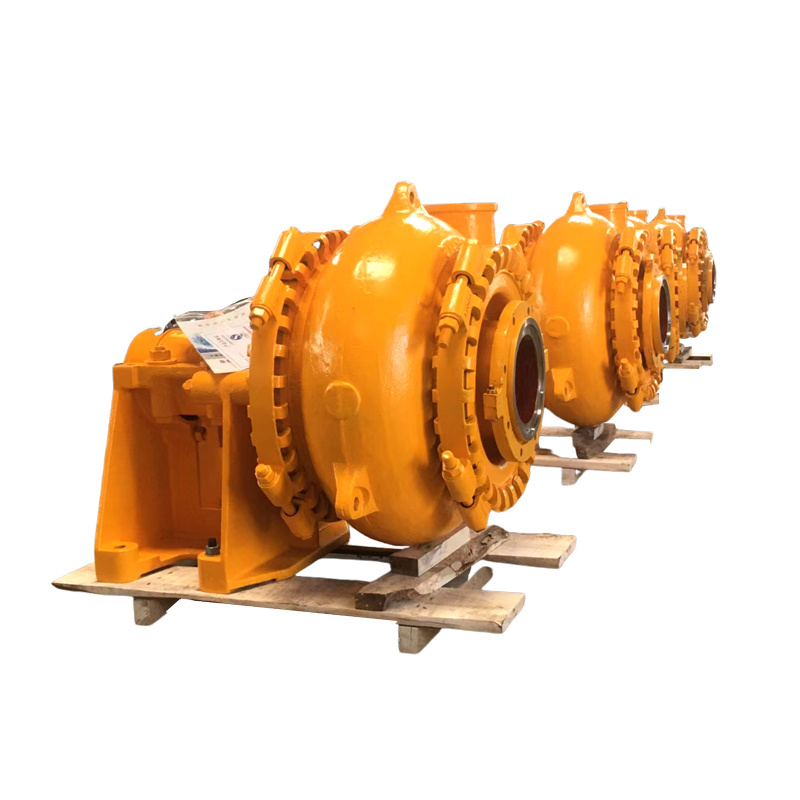
The Evolution of Gravel Pumps: A Comprehensive Exploration of Past Innovations and Future Trends
Table of Contents
- 1. Introduction to Gravel Pumps
- 2. A Historical Overview of Gravel Pumps
- 3. Key Design Features of Gravel Pumps
- 4. Types of Gravel Pumps: Understanding the Options
- 5. Modern Advancements in Gravel Pump Technology
- 6. Applications of Gravel Pumps in Various Industries
- 7. The Future of Gravel Pumps: Trends and Predictions
- 8. Frequently Asked Questions (FAQs)
- 9. Conclusion: The Journey Ahead for Gravel Pumps
1. Introduction to Gravel Pumps
Gravel pumps play a crucial role in various industrial applications, primarily in the mining, construction, and dredging sectors. These specialized pumps are designed to handle abrasive and viscous materials, such as gravel, sand, and slurry. In this article, we will delve into the evolution of gravel pumps, exploring their historical significance, advancements in technology, and future trends that promise to shape their development.
2. A Historical Overview of Gravel Pumps
The origins of gravel pumps can be traced back to the late 19th century when the need for efficient material transport in construction and mining emerged. Early gravel pumps were rudimentary, often using simple piston designs to move materials.
The Early Days of Gravel Pump Technology
In the initial stages, gravel pumps were primarily designed for specific tasks, such as draining waterlogged areas or extracting materials from riverbeds. These pumps were limited in efficiency and often required manual operation.
Innovations in the Mid-20th Century
The mid-20th century marked a significant turning point with the introduction of electric and diesel-powered gravel pumps. These advancements enabled faster and more reliable material transport. The integration of new materials, such as high-strength alloys, also improved the durability and performance of gravel pumps.
3. Key Design Features of Gravel Pumps
Modern gravel pumps are engineered with specific features that enhance their functionality and efficiency.
Durable Construction
One of the most critical design aspects of gravel pumps is their robust construction. Made from materials resistant to wear and tear, such as high-chrome iron and rubber linings, these pumps can withstand the harsh conditions associated with moving abrasive materials.
Efficient Hydraulic Systems
The hydraulic design of gravel pumps plays a significant role in their efficiency. Many contemporary models utilize centrifugal pump technology, allowing for a smooth and continuous flow of materials, reducing energy consumption while maximizing output.
4. Types of Gravel Pumps: Understanding the Options
Choosing the right gravel pump requires an understanding of the different types available on the market.
Submersible Gravel Pumps
Submersible gravel pumps are designed to operate underwater, making them ideal for applications in deep water and flooded areas. These pumps are often used in mining and construction projects where water and gravel need to be managed simultaneously.
Horizontal Gravel Pumps
Horizontal gravel pumps are versatile and can be used in various applications, including transporting materials over longer distances. These pumps are typically mounted above ground and are celebrated for their efficiency and ease of maintenance.
5. Modern Advancements in Gravel Pump Technology
As technology continues to evolve, so does the functionality and efficiency of gravel pumps.
Smart Pump Technology
The introduction of smart technology has revolutionized the way gravel pumps operate. Features such as remote monitoring and automated controls allow for real-time data tracking, leading to improved maintenance schedules and operational efficiency.
Eco-Friendly Innovations
Sustainability is becoming a crucial consideration in pump design. Manufacturers are now focusing on eco-friendly materials and energy-efficient designs to reduce the environmental impact of gravel pumps while still maintaining high performance.
6. Applications of Gravel Pumps in Various Industries
Gravel pumps are used in a wide range of industries, highlighting their versatility and importance.
Mining Industry
In the mining sector, gravel pumps are essential for transporting slurry from the extraction site to processing facilities. Their ability to handle abrasive materials makes them indispensable in this industry.
Construction Projects
Gravel pumps are widely used in construction to manage water and transport materials. They facilitate the removal of excess water from excavation sites and help in the efficient placement of gravel and other aggregates.
7. The Future of Gravel Pumps: Trends and Predictions
The future of gravel pump technology looks promising, driven by advancements in materials science and engineering.
Increased Automation
As industries move towards greater automation, gravel pumps will likely integrate more sophisticated control systems. This shift will enhance operational efficiency and reduce the reliance on manual labor.
Integration of Renewable Energy Sources
The push for sustainability will lead to the development of gravel pumps powered by renewable energy sources, such as solar or wind power. This transition will not only reduce operational costs but also minimize the carbon footprint.
8. Frequently Asked Questions (FAQs)
What is a gravel pump?
A gravel pump is a specialized pump designed to transport abrasive materials like gravel, sand, and slurry, primarily used in mining, construction, and dredging operations.
How do gravel pumps work?
Gravel pumps operate by creating a flow of materials using centrifugal force, allowing them to effectively manage the transportation of heavy and abrasive materials.
What are the different types of gravel pumps?
The main types of gravel pumps include submersible gravel pumps and horizontal gravel pumps, each designed for specific applications and operational environments.
What materials are gravel pumps made from?
Modern gravel pumps are constructed from durable materials, such as high-chrome iron and rubber linings, to withstand abrasion and enhance longevity.
How can technology improve the efficiency of gravel pumps?
Advancements in technology, including smart monitoring systems and eco-friendly designs, can significantly enhance the efficiency and sustainability of gravel pumps.
9. Conclusion: The Journey Ahead for Gravel Pumps
The evolution of gravel pumps reflects the dynamic nature of industrial needs and technological advancements. As we look forward, the integration of automation, eco-friendly practices, and innovative materials will continue to drive the industry. It is essential for manufacturers and users alike to stay informed about these trends to leverage the full potential of gravel pumping technology. In conclusion, the journey of gravel pumps is far from over, and the future holds exciting possibilities for enhanced performance and sustainability.
PREVIOUS:
Contact Us
E-mail :
liu@cnpumpmade.com
WhatsApp:
+8615028256698
Address:
Nanyang Industrial Park, Shifo Town, Anguo City, Hebei Province, China


Leave Your Message