To provide high-quality Water pump products for global customers.


Multistage Pumps: Essential Components in Mining Operations
Oct 02,2026
Multistage Pumps: Essential Components in Mining Operations
Table of Contents
- 1. Introduction to Multistage Pumps in Mining
- 2. Understanding Multistage Pumps
- 3. Applications of Multistage Pumps in Mining
- 4. Advantages of Using Multistage Pumps
- 5. Maintenance Best Practices for Multistage Pumps
- 6. Troubleshooting Common Issues
- 7. Future Trends in Multistage Pump Technology
- 8. Conclusion
- 9. Frequently Asked Questions
1. Introduction to Multistage Pumps in Mining
In the dynamic world of mining operations, **multistage pumps** emerge as crucial components that ensure the efficient movement of fluids. These pumps are designed to handle various applications, from transporting water to managing slurry. As mining operations demand high efficiency and reliability, understanding the significance of multistage pumps becomes paramount.
2. Understanding Multistage Pumps
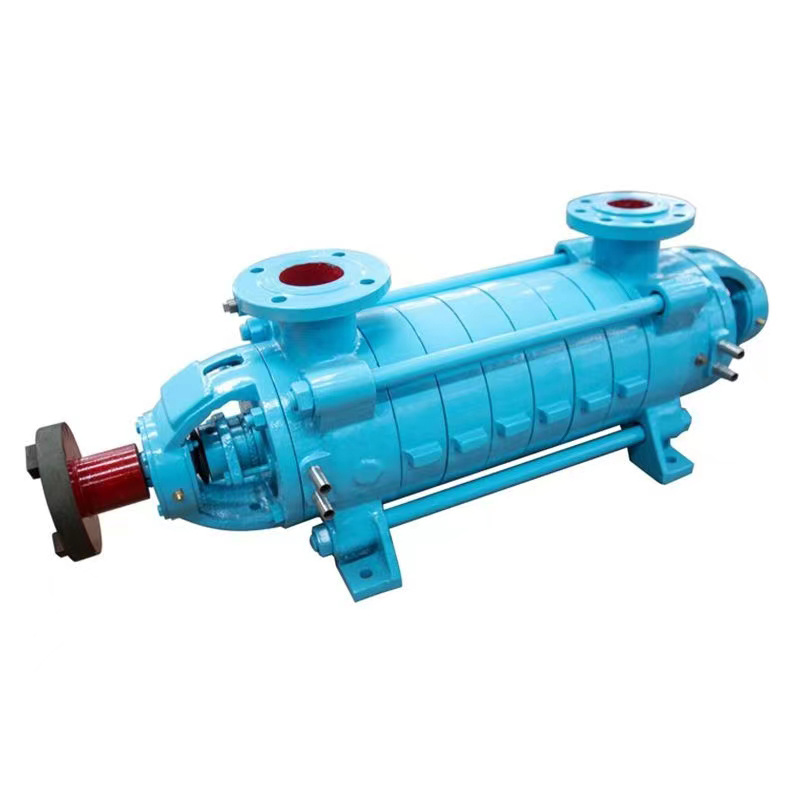
Multistage pumps are engineered to produce a high head pressure, making them ideal for applications requiring the movement of liquids over long distances or up to great heights. Their design consists of multiple impellers (or stages), which work together to increase the pressure of the pumped fluid.
2.1 Design and Structure of Multistage Pumps
The design of multistage pumps typically includes the following components:
- **Impellers**: Each stage contains an impeller that adds energy to the fluid, increasing its velocity and pressure.
- **Diffusers**: Located between impellers, diffusers slow down the fluid and convert kinetic energy into pressure.
- **Suction and Discharge Casings**: These enclose the impellers and diffusers while directing fluid flow in and out of the pump.
The material selection is crucial for the durability and longevity of multistage pumps, particularly in corrosive or abrasive environments typical of mining operations.
2.2 How Multistage Pumps Work
The operation of a multistage pump involves a series of steps. First, the fluid enters the pump through the suction inlet. As the first impeller rotates, it imparts kinetic energy to the fluid, which is then channeled into the diffuser. This process continues through each stage, where additional impellers further increase the pressure before the fluid exits through the discharge outlet.
This mechanism allows multistage pumps to achieve significantly higher pressures than single-stage pumps, making them essential for various mining applications.
3. Applications of Multistage Pumps in Mining
Multistage pumps serve a variety of applications in mining operations, showcasing their versatility and efficiency.
3.1 Dewatering Operations
One of the primary applications of multistage pumps in mining is dewatering. As mines excavate, they often encounter groundwater that must be removed to maintain safe working conditions. Multistage pumps efficiently remove water from the pit, ensuring uninterrupted mining activities.
3.2 Tailings Handling
After the extraction of minerals, tailings—waste materials—must be managed effectively. Multistage pumps transport tailings to disposal sites, often dealing with thick slurries. Their high-pressure capabilities are essential for maintaining flow rates in challenging conditions.
4. Advantages of Using Multistage Pumps
The benefits of utilizing multistage pumps in mining operations are significant:
- **High Efficiency**: These pumps can transport fluids over long distances and heights with minimal energy consumption.
- **Versatility**: They can handle various fluids, including water, slurry, and chemicals.
- **Durability**: Designed for harsh environments, multistage pumps exhibit remarkable longevity when maintained properly.
- **Cost-Effectiveness**: Their efficiency leads to lower operational costs, making them a wise investment for mining companies.
5. Maintenance Best Practices for Multistage Pumps
Regular maintenance is essential to ensure the longevity and efficiency of multistage pumps. Key practices include:
- **Routine Inspections**: Regularly check for wear and tear on impellers and seals.
- **Lubrication**: Ensure bearings and other moving parts are properly lubricated to minimize friction and wear.
- **Cleaning**: Remove debris and buildup that can impede performance.
- **Monitoring Performance**: Keep an eye on flow rates, pressure, and temperature to identify potential issues early.
By adhering to these maintenance practices, mining operations can minimize downtime and extend the life of their pumps.
6. Troubleshooting Common Issues
Despite their robust design, multistage pumps can experience issues. Common problems include:
- **Cavitation**: This occurs when vapor bubbles form in the fluid due to low pressure, leading to damage. To resolve this, ensure adequate suction head and avoid operating below recommended flow rates.
- **Vibration**: Excessive vibration may indicate misalignment or imbalance in the pump. Regularly inspect alignment and balance to mitigate this issue.
- **Reduced Flow Rate**: A drop in flow rate can result from blockages or wear. Inspect the impellers and diffusers for damage and ensure there are no obstructions in the piping.
7. Future Trends in Multistage Pump Technology
The future of multistage pump technology in mining operations looks promising, with trends focusing on:
- **Smart Technology Integration**: The incorporation of IoT and AI for predictive maintenance and performance monitoring is on the rise.
- **Energy Efficiency**: New designs aim to minimize energy consumption further, helping mining operations reduce their carbon footprint.
- **Advanced Materials**: Researchers are exploring materials that enhance durability and resistance to corrosion, extending the lifespan of pumps in harsh environments.
8. Conclusion
Multistage pumps play an integral role in mining operations, offering high efficiency, versatility, and durability. Understanding their design, applications, and maintenance can empower mining companies to optimize their operations and reduce costs. As technology advances, embracing these innovations will ensure that multistage pumps continue to be pivotal in the evolving landscape of the mining industry.
9. Frequently Asked Questions
What is a multistage pump?
A multistage pump is a type of pump that contains multiple impellers to increase fluid pressure and is commonly used in applications requiring high head and long-distance fluid transport.
How do multistage pumps differ from single-stage pumps?
Multistage pumps feature multiple impellers to achieve higher pressure levels, while single-stage pumps have only one impeller and are suitable for lower pressure applications.
What are the common applications of multistage pumps?
Common applications include dewatering, tailings handling, water supply, and various industrial processes requiring high-pressure fluid transport.
How can I maintain my multistage pump?
Regular maintenance includes routine inspections, lubrication of moving parts, cleaning to remove debris, and monitoring performance metrics like flow rate and pressure.
What are signs of cavitation in multistage pumps?
Signs of cavitation include unusual noise, vibration, and a drop in performance. It's crucial to address these issues promptly to prevent damage to the pump.
Incorporating the knowledge gained through this guide will empower mining operations to leverage the full potential of multistage pumps, driving efficiency and productivity in their processes.
Contact Us
E-mail :
liu@cnpumpmade.com
WhatsApp:
+8615028256698
Address:
Nanyang Industrial Park, Shifo Town, Anguo City, Hebei Province, China


Leave Your Message