To provide high-quality Water pump products for global customers.


Innovative Technology in Gravel Pumps: Enhancing Efficiency and Reliability
Sep 28,2026
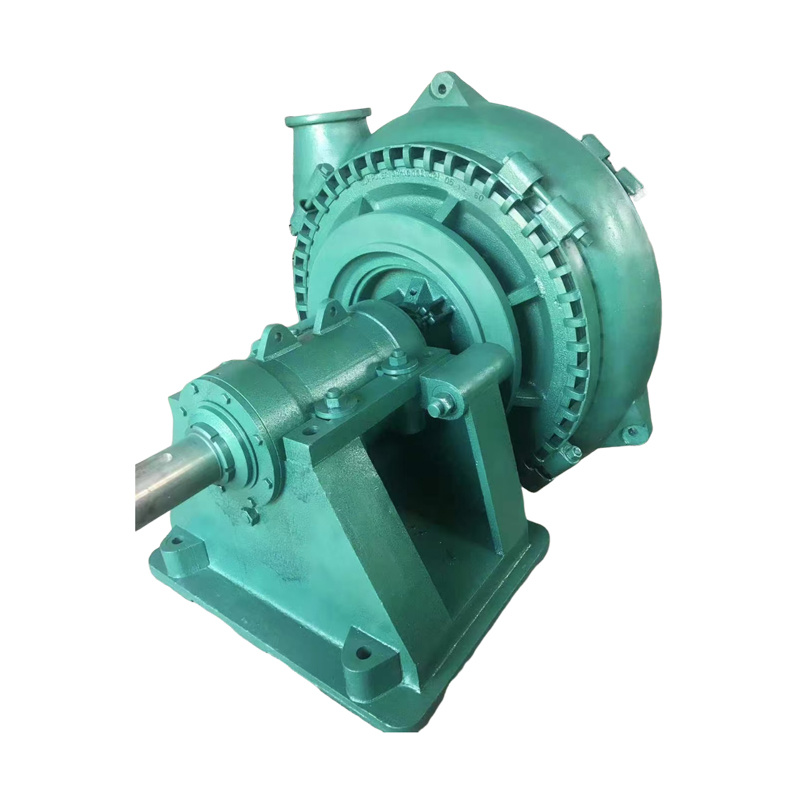
Innovative Technology in Gravel Pumps: Enhancing Efficiency and Reliability
Table of Contents
- Introduction to Gravel Pumps
- The Importance of Gravel Pumps in Industry
- Key Technological Advancements in Gravel Pumps
- Enhancing Energy Efficiency in Gravel Pumps
- Improving Reliability through Innovative Materials
- The Role of Automation in Gravel Pump Efficiency
- Applications of Modern Gravel Pump Technology
- Future Trends in Gravel Pump Technology
- Conclusion
- Frequently Asked Questions
Introduction to Gravel Pumps
Gravel pumps are essential components in various industrial applications, particularly in the mining, construction, and dredging sectors. These pumps are designed to handle abrasive materials such as sand, gravel, and slurry efficiently. As industries evolve, the demand for more effective and reliable pumping solutions has led to significant advancements in gravel pump technology. This article delves into how innovative technologies are enhancing the efficiency and reliability of gravel pumps.
The Importance of Gravel Pumps in Industry
Gravel pumps play a crucial role in transporting heavy and abrasive materials. Their design allows them to manage high solid contents effectively, making them indispensable in industries such as:
- **Mining**: Used for extracting and transporting minerals and ores.
- **Construction**: Essential for moving aggregates and other construction materials.
- **Dredging**: Employed in maintaining waterways and ports.
The efficiency of gravel pumps directly impacts operational productivity and cost-effectiveness in these sectors.
Key Technological Advancements in Gravel Pumps
Recent innovations in gravel pump technology have led to several advancements that enhance their performance. Key areas include:
1. Improved Hydraulic Designs
Modern gravel pumps feature optimized hydraulic designs that reduce turbulence and improve flow rates. This enhancement allows for more efficient material transport, minimizing energy consumption and increasing overall productivity.
2. Advanced Wear-Resistant Materials
The introduction of new materials, such as high-chromium alloys and polyurethane, has significantly improved the durability of gravel pumps. These materials resist wear and tear, extending the lifespan of the pumps and reducing maintenance costs.
3. Enhanced Sealing Technologies
Innovative sealing technologies prevent leaks and protect internal components from abrasive materials. Enhanced seals contribute to improved reliability and lower the risk of pump failure during operation.
Enhancing Energy Efficiency in Gravel Pumps
As industries strive for sustainability, energy efficiency has become a focal point in pump design. Several strategies are employed to enhance energy efficiency:
1. Variable Frequency Drives (VFDs)
Integrating VFDs allows for precise control of pump speed, enabling operators to match pump performance to specific operational requirements. This flexibility leads to significant energy savings.
2. Pump System Optimization
Optimizing the entire pumping system—rather than just the pump—can result in better energy utilization. This includes selecting the right pump size, managing pipework layouts, and minimizing bends and fittings.
3. Regular Maintenance Practices
Implementing regular maintenance schedules ensures that pumps operate at peak efficiency, reducing energy wastage caused by wear and tear.
Improving Reliability through Innovative Materials
Reliability is paramount in industrial pumping applications. Innovations in material technology significantly contribute to the reliability of gravel pumps:
1. Corrosion-Resistant Coatings
The application of corrosion-resistant coatings can protect pumps from harsh environments, increasing their longevity and reliability.
2. Composite Materials
Composite materials offer superior strength-to-weight ratios, allowing for the construction of lighter and more durable pumps that are less susceptible to fatigue.
3. Enhanced Design for Maintenance
Innovative designs facilitate easier access to components for maintenance and repair, reducing downtime and enhancing overall reliability.
The Role of Automation in Gravel Pump Efficiency
Automation technologies are transforming gravel pump operations. Automatic monitoring and control systems help optimize performance by:
1. Real-Time Monitoring
Sensors can provide real-time data on pump performance, enabling proactive maintenance and reducing the risk of unexpected failures.
2. Automated Control Systems
Integrating automated control systems allows for more precise adjustments to pump operations, adjusting to varying material conditions and flow rates dynamically.
3. Data Analytics
Utilizing data analytics helps identify trends and operational inefficiencies, allowing for informed decision-making regarding pump operation and maintenance strategies.
Applications of Modern Gravel Pump Technology
Today's gravel pumps are versatile and can be adapted for various applications, enhancing their utility across industries:
1. Environmental Remediation
Gravel pumps are employed in environmental cleanup efforts, helping to transport contaminated materials away from sensitive areas.
2. Mining Operations
In mining, gravel pumps are crucial for transporting mined materials from extraction sites to processing facilities.
3. Construction Projects
Construction sites benefit from gravel pumps for moving materials such as concrete and aggregates, streamlining operations and improving project timelines.
Future Trends in Gravel Pump Technology
Looking ahead, several trends are set to shape the future of gravel pump technology:
1. Eco-Friendly Designs
There is a growing emphasis on developing eco-friendly pumps that utilize sustainable materials and energy-efficient technologies.
2. Integration of IoT
The Internet of Things (IoT) will enable even greater connectivity and data sharing between pumps and control systems, optimizing performance and maintenance.
3. Advancements in AI and Machine Learning
Artificial intelligence and machine learning could revolutionize how pumps are monitored and maintained, predicting failures before they occur and optimizing pump operations through advanced algorithms.
Conclusion
Innovative technology in gravel pumps is driving significant improvements in efficiency and reliability across various industrial applications. By leveraging advanced materials, hydraulic designs, automation, and energy-efficient practices, we can ensure that gravel pumps continue to meet the demands of modern industry. As these technologies evolve, we anticipate even greater advancements that will further enhance their performance and sustainability.
Frequently Asked Questions
1. What are gravel pumps used for?
Gravel pumps are primarily used for transporting abrasive materials, such as sand and gravel, in industries like mining, construction, and dredging.
2. How do modern gravel pumps improve energy efficiency?
Modern gravel pumps improve energy efficiency through features like variable frequency drives, optimized pump systems, and regular maintenance practices.
3. What materials are used in the construction of gravel pumps?
Gravel pumps are often constructed from wear-resistant materials, including high-chromium alloys and polyurethane, which enhance durability.
4. How can automation benefit gravel pump operations?
Automation benefits gravel pump operations by providing real-time monitoring, automated control systems, and data analytics, leading to optimized performance and reduced downtime.
5. What are the future trends in gravel pump technology?
Future trends include eco-friendly designs, integration of IoT technologies, and advancements in artificial intelligence and machine learning for predictive maintenance and performance optimization.
Contact Us
E-mail :
liu@cnpumpmade.com
WhatsApp:
+8615028256698
Address:
Nanyang Industrial Park, Shifo Town, Anguo City, Hebei Province, China


Leave Your Message