To provide high-quality Water pump products for global customers.


Double Suction Pumps: Best Practices for Operation and Maintenance
Aug 25,2026
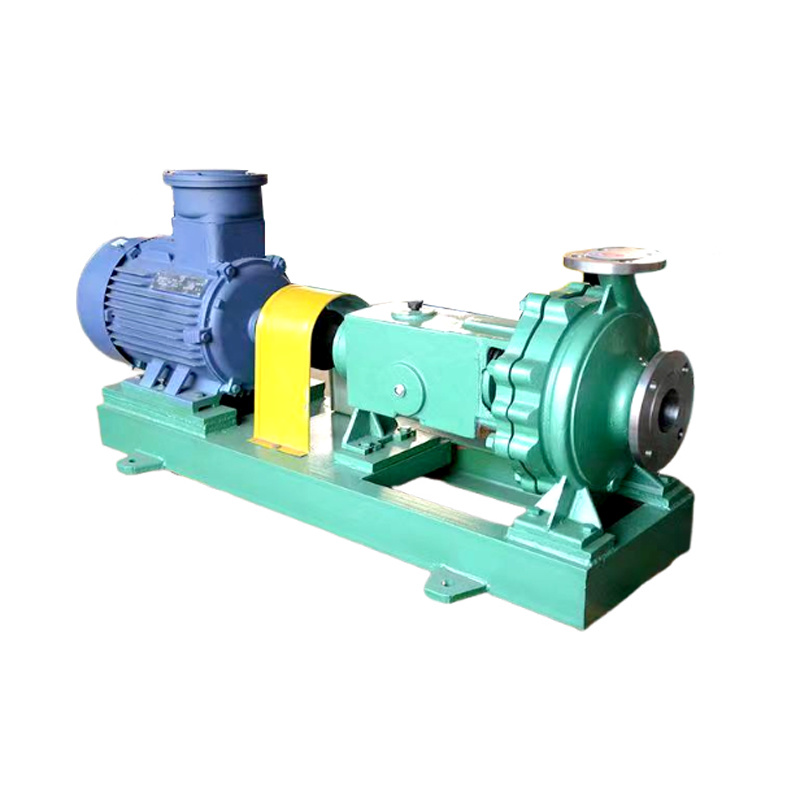
Double Suction Pumps: Best Practices for Operation and Maintenance
Table of Contents
- What are Double Suction Pumps?
- Working Principle of Double Suction Pumps
- Advantages of Double Suction Pumps
- Common Applications of Double Suction Pumps
- Best Practices for Operation
- Maintenance Strategies for Longevity
- Troubleshooting Common Issues
- Frequently Asked Questions
- Conclusion
What are Double Suction Pumps?
Double suction pumps These pumps are crucial in various industrial sectors, including water supply, wastewater treatment, and chemical processing.
Working Principle of Double Suction Pumps
The working principle of double suction pumps is relatively straightforward. When the impeller rotates, it creates a low-pressure zone at its center, causing the fluid to be drawn in from both inlet sides. This dual suction leads to a more efficient flow and a higher overall capacity compared to single-suction designs. The fluid then moves outward through the impeller and into the discharge casing, where it is forced out of the pump.
Components of Double Suction Pumps
- Impeller: The heart of the pump, responsible for creating the flow.
- Casing: Encloses the impeller and directs the flow to the discharge.
- Suction Inlets: Allow fluid to enter the pump from both sides.
- Seal and Bearings: Support the rotating impeller and maintain the pump’s integrity.
Advantages of Double Suction Pumps
Double suction pumps offer numerous advantages, making them ideal for high-capacity applications:
- Increased Efficiency: The dual inlet design reduces turbulence, improving energy efficiency.
- Lower Axial Thrust: Balancing the forces minimizes wear on the bearings, extending operational life.
- High Flow Rates: Capable of handling larger volumes of fluid without compromising performance.
- Versatile Applications: Suitable for a variety of industrial processes, from water treatment to chemical manufacturing.
Common Applications of Double Suction Pumps
Double suction pumps are widely used across several industries, including:
- Municipal Water Supply: For transporting water from treatment plants to distribution systems.
- Wastewater Treatment: Used to move wastewater through various stages of treatment.
- Power Plants: For cooling water and other industrial processes.
- Pulp and Paper Industry: To move slurries and other fluids effectively.
- Chemical Processing: Handling various chemicals safely and efficiently.
Best Practices for Operation
To ensure optimal performance and longevity of double suction pumps, adhere to the following best practices:
Regular Monitoring of Operating Conditions
Monitoring parameters such as flow rate, pressure, and temperature is essential. Any deviations from normal operating ranges may indicate potential issues that need addressing. Employing real-time monitoring systems can assist in identifying problems before they escalate.
Proper Installation Techniques
The installation of double suction pumps should be executed with precision. Ensure that the pump is aligned correctly with the motor and the piping system. Use flexible couplings to accommodate any misalignment and avoid undue stress on the pump components.
Optimal Operating Speed
Operating the pump at its recommended speed is crucial. Over-speeding can cause excessive vibration and wear, while under-speeding can lead to cavitation issues. Always follow the manufacturer’s guidelines regarding operational speeds.
Regular Cleaning and Inspection
Routine cleaning of the pump and its components helps to maintain efficiency. Inspect the impeller, casing, and seals regularly for signs of wear or damage. Address any issues promptly to prevent further damage and ensure smooth operation.
Maintenance Strategies for Longevity
Implementing a proactive maintenance strategy can significantly extend the life of double suction pumps. Here are some effective strategies:
Routine Lubrication of Bearings
Ensuring that bearings are properly lubricated is critical. Follow the manufacturer’s recommendations for lubrication intervals and types. Insufficient lubrication can lead to friction, overheating, and eventual bearing failure.
Seal Integrity Checks
Regularly inspect mechanical seals for leaks or wear. Replacing worn seals promptly can prevent contamination of the fluid and protect the pump’s internal components from damage.
Periodic Vibration Analysis
Vibration analysis can help detect imbalances or misalignments in the pump system. Addressing these issues early can avoid costly breakdowns and repairs.
Regular Performance Testing
Conducting performance tests periodically allows operators to assess the pump's efficiency. Testing flow rates and pressure can reveal if the pump is operating at optimal conditions. If discrepancies are noted, further investigation is warranted.
Troubleshooting Common Issues
Even with regular maintenance, double suction pumps can encounter issues. Here are common problems and their solutions:
Cavitation
Cavitation occurs when the pressure in the pump falls below the vapor pressure of the fluid, leading to the formation of vapor bubbles. To mitigate cavitation, ensure adequate suction head and eliminate any air leaks in the system.
Overheating
Overheating can result from inadequate lubrication, excessive wear, or operating conditions outside the manufacturer's specifications. Address lubrication issues immediately and check for any operating irregularities.
Low Flow Rate
A reduction in flow rate can stem from blockages, worn impellers, or improper pump sizing. Inspect for clogs in the suction line and assess the need for impeller replacement or pump resizing.
Unusual Noises
Strange noises may indicate mechanical issues such as bearing wear or misalignment. Investigate the source of the noise and perform necessary repairs to prevent further damage.
Frequently Asked Questions
1. What is the primary advantage of using double suction pumps?
The primary advantage is increased efficiency due to reduced axial thrust, allowing for longer operational life and higher capacity.
2. How often should I perform maintenance on my double suction pump?
Maintenance frequency depends on operating conditions, but a routine check every three to six months is advisable for optimal performance.
3. Can double suction pumps handle corrosive fluids?
Yes, but it’s important to select materials that are compatible with the specific fluid being pumped to prevent damage.
4. What are the signs of a failing seal in a double suction pump?
Signs may include fluid leakage, decreased performance, or unusual noises. Immediate inspection and replacement are recommended.
5. How can I improve the energy efficiency of my double suction pump?
Regular maintenance, using variable frequency drives (VFDs), and ensuring proper sizing can significantly enhance energy efficiency.
Conclusion
In conclusion, double suction pumps are an integral component in various industrial applications, providing enhanced efficiency and reliability. By adhering to best practices for operation and implementing robust maintenance strategies, operators can ensure these pumps perform optimally for years to come. Regular monitoring, proactive maintenance, and timely troubleshooting will not only extend the life of double suction pumps but also contribute to the overall success of the industrial processes they serve. By following these guidelines, we can maximize the performance, efficiency, and longevity of double suction pumps in our facilities.
Contact Us
E-mail :
liu@cnpumpmade.com
WhatsApp:
+8615028256698
Address:
Nanyang Industrial Park, Shifo Town, Anguo City, Hebei Province, China


Leave Your Message