To provide high-quality Water pump products for global customers.


How Gravel Pumps Are Shaping the Future of Hydraulic Engineering
Aug 19,2026
How Gravel Pumps Are Shaping the Future of Hydraulic Engineering
Table of Contents
1. Introduction to Gravel Pumps in Hydraulic Engineering
2. The Importance of Gravel Pumps in Modern Applications
2.1 Overview of Gravel Pump Mechanisms
2.2 Key Advantages of Utilizing Gravel Pumps
3. Innovations in Gravel Pump Technology
3.1 Enhanced Efficiency through Design Improvements
3.2 Integration with Automation and Smart Technologies
4. Environmental Impacts and Sustainability Considerations
4.1 Reducing Environmental Footprint with Gravel Pumps
4.2 Sustainable Practices in Gravel Pump Usage
5. Key Industries Benefiting from Gravel Pumps
5.1 Construction and Civil Engineering
5.2 Mining and Mineral Processing
6. Future Trends in Gravel Pump Applications
6.1 The Role of Gravel Pumps in Climate Resilience
6.2 Innovations on the Horizon
7. Frequently Asked Questions (FAQs)
8. Conclusion
1. Introduction to Gravel Pumps in Hydraulic Engineering
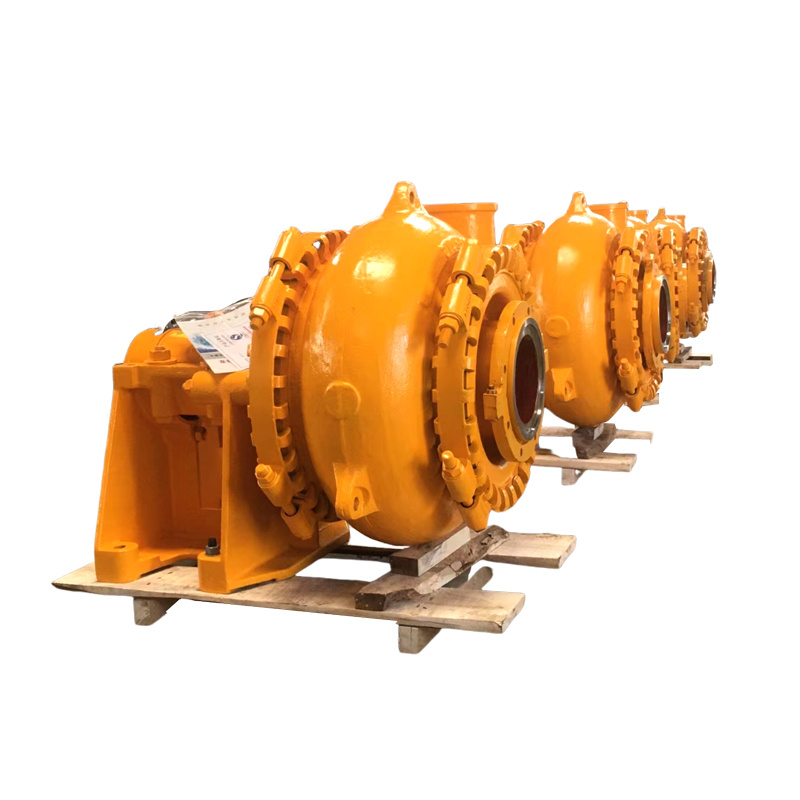
Gravel pumps are critical components in hydraulic engineering, designed specifically for transporting abrasive materials such as sand, gravel, and sludge. These pumps are engineered to manage the demanding requirements of various industries, contributing significantly to efficiency and productivity. Understanding their role is crucial for professionals in the field, as gravel pumps are shaping future hydraulic engineering solutions.
2. The Importance of Gravel Pumps in Modern Applications
Gravel pumps play a pivotal role in several applications, from construction to mining. By efficiently transporting materials, these pumps facilitate construction projects and resource extraction, making them indispensable in modern hydraulic engineering.
2.1 Overview of Gravel Pump Mechanisms
Gravel pumps employ a unique mechanism that allows them to handle large particles and abrasive materials. They typically feature a robust impeller and casing designed to withstand high levels of wear and tear. This durability ensures a longer service life and reduced maintenance costs.
2.2 Key Advantages of Utilizing Gravel Pumps
The advantages of gravel pumps are manifold. They offer high flow rates, making them suitable for large-scale operations. Their ability to handle solid particles without clogging is a significant benefit, reducing downtime and enhancing productivity. Additionally, gravel pumps can operate efficiently in various conditions, further solidifying their role in hydraulic engineering.
3. Innovations in Gravel Pump Technology
Recent advancements in gravel pump technology have led to more efficient and effective solutions for hydraulic engineering challenges. These innovations are driving the industry forward.
3.1 Enhanced Efficiency through Design Improvements
Modern gravel pumps incorporate design advancements that improve efficiency. For instance, optimized impeller designs and advanced materials enhance the pump's performance, allowing for greater energy savings and reduced operational costs.
3.2 Integration with Automation and Smart Technologies
The integration of automation in gravel pump operations is transforming how these machines are used. Smart sensors and IoT connectivity allow for real-time monitoring and adjustments, improving overall performance and reducing maintenance needs.
4. Environmental Impacts and Sustainability Considerations
As industries become increasingly aware of their environmental responsibilities, gravel pumps are being adapted to meet sustainability goals.
4.1 Reducing Environmental Footprint with Gravel Pumps
Gravel pumps are designed to minimize environmental impact. By improving efficiency and reducing energy consumption, these pumps help lower the carbon footprint of hydraulic engineering projects.
4.2 Sustainable Practices in Gravel Pump Usage
Implementing sustainable practices in gravel pump operations can significantly enhance their environmental benefits. This includes regular maintenance, using eco-friendly materials, and optimizing pump usage based on specific project needs.
5. Key Industries Benefiting from Gravel Pumps
Gravel pumps are utilized across various industries, each benefiting from their unique capabilities.
5.1 Construction and Civil Engineering
In the construction industry, gravel pumps are essential for transporting materials such as concrete and aggregates. Their efficiency contributes to faster project timelines and reduced labor costs.
5.2 Mining and Mineral Processing
In mining, gravel pumps are crucial for transporting slurry and other materials. Their ability to handle abrasive substances makes them ideal for mineral processing, ensuring that operations run smoothly.
6. Future Trends in Gravel Pump Applications
Looking ahead, we can anticipate several trends that will shape the future use of gravel pumps in hydraulic engineering.
6.1 The Role of Gravel Pumps in Climate Resilience
As climate change continues to affect infrastructure, gravel pumps will play a vital role in developing resilient systems. Their ability to handle varying material types will be crucial in adapting to changing environmental conditions.
6.2 Innovations on the Horizon
The future of gravel pump technology is bright, with ongoing research and development aimed at enhancing efficiency and sustainability. Innovations such as energy-efficient models and enhanced materials are expected to emerge, further solidifying their role in hydraulic engineering.
7. Frequently Asked Questions (FAQs)
1. What are gravel pumps used for?
Gravel pumps are primarily used for transporting abrasive materials like gravel, sand, and sludge in various industries, including construction and mining.
2. How do gravel pumps differ from standard pumps?
Gravel pumps are specifically designed to handle larger particles and abrasive materials, while standard pumps may struggle with such demands.
3. What are the maintenance requirements for gravel pumps?
Regular maintenance includes checking for wear on impellers and casings, ensuring proper lubrication, and monitoring pump performance to prevent breakdowns.
4. How can gravel pumps contribute to sustainability?
By improving energy efficiency and reducing operational emissions, gravel pumps can significantly lower the environmental impact of hydraulic engineering projects.
5. What future innovations can we expect in gravel pump technology?
Future innovations may include smarter automation features, enhanced energy efficiency, and improved materials that further increase the lifespan and performance of gravel pumps.
8. Conclusion
Gravel pumps are undeniably shaping the future of hydraulic engineering through their innovative designs and crucial applications across various industries. As technology advances, the role of gravel pumps will only grow, helping to meet the demands of modern infrastructure while addressing sustainability challenges. By understanding their capabilities and potential, professionals can better leverage these powerful tools to drive efficiency and resilience in hydraulic engineering projects.
Contact Us
E-mail :
liu@cnpumpmade.com
WhatsApp:
+8615028256698
Address:
Nanyang Industrial Park, Shifo Town, Anguo City, Hebei Province, China


Leave Your Message