To provide high-quality Water pump products for global customers.


Understanding Double Suction Pumps: A Comprehensive Guide for Industrial Professionals
Jul 31,2026
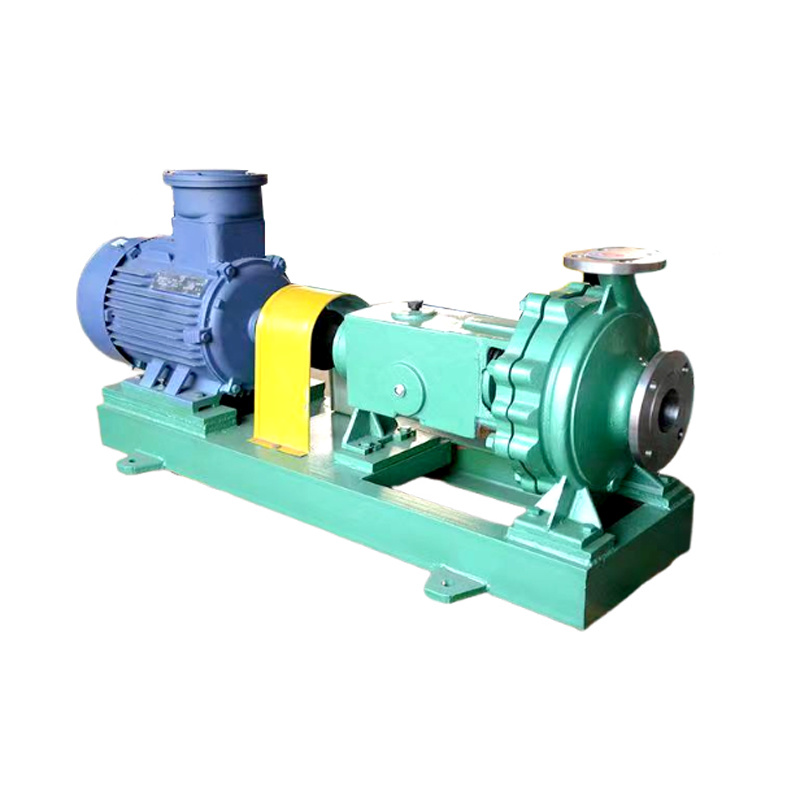
Double suction pumps are a specialized category of centrifugal pumps that are designed for high flow rates and low NPSH (Net Positive Suction Head) applications. They feature dual inlets, allowing fluid to enter from both sides of the impeller, which leads to several advantages over traditional single-suction designs. This unique configuration not only facilitates greater hydraulic efficiency but also minimizes hydraulic imbalance, reducing vibration and wear on the pump components.
One of the primary benefits of double suction pumps is their ability to handle large volumes of liquid without the risk of cavitation, a common issue faced by single-suction pumps, particularly in low NPSH scenarios. The dual inlet design also allows for higher flow rates at lower speeds, resulting in reduced energy consumption. Consequently, double suction pumps are often favored in applications such as water supply, irrigation, and cooling systems in power plants.
When selecting a double suction pump, it's essential to consider several key factors. First, evaluating the required flow rate and head is crucial, as these parameters directly impact the pump's performance and efficiency. Additionally, understanding the properties of the liquid being pumped, including viscosity, temperature, and the presence of solids, will help in selecting the right materials and design features for the pump.
Another important aspect to consider is the pump's configuration. Double suction pumps can be either vertical or horizontal, with each orientation offering specific advantages based on space constraints and installation requirements. Vertical pumps occupy less floor space and are often used in applications where the available footprint is limited, while horizontal pumps typically provide easier access for maintenance and inspection.
Maintenance is critical for ensuring the longevity and efficiency of double suction pumps. Regular inspections should include checking for wear on the impeller and casing, monitoring vibrations, and ensuring that seal integrity is maintained. Implementing preventative maintenance schedules can help identify potential issues before they escalate, ultimately reducing unplanned downtime and associated costs.
In conclusion, double suction pumps are an invaluable asset in industrial applications requiring high flow and low NPSH capabilities. By understanding their design and functionality, professionals can effectively leverage these pumps to optimize their operations. Proper selection, installation, and maintenance practices will further enhance the performance and reliability of double suction pumps in diverse industrial settings.
One of the primary benefits of double suction pumps is their ability to handle large volumes of liquid without the risk of cavitation, a common issue faced by single-suction pumps, particularly in low NPSH scenarios. The dual inlet design also allows for higher flow rates at lower speeds, resulting in reduced energy consumption. Consequently, double suction pumps are often favored in applications such as water supply, irrigation, and cooling systems in power plants.
When selecting a double suction pump, it's essential to consider several key factors. First, evaluating the required flow rate and head is crucial, as these parameters directly impact the pump's performance and efficiency. Additionally, understanding the properties of the liquid being pumped, including viscosity, temperature, and the presence of solids, will help in selecting the right materials and design features for the pump.
Another important aspect to consider is the pump's configuration. Double suction pumps can be either vertical or horizontal, with each orientation offering specific advantages based on space constraints and installation requirements. Vertical pumps occupy less floor space and are often used in applications where the available footprint is limited, while horizontal pumps typically provide easier access for maintenance and inspection.
Maintenance is critical for ensuring the longevity and efficiency of double suction pumps. Regular inspections should include checking for wear on the impeller and casing, monitoring vibrations, and ensuring that seal integrity is maintained. Implementing preventative maintenance schedules can help identify potential issues before they escalate, ultimately reducing unplanned downtime and associated costs.
In conclusion, double suction pumps are an invaluable asset in industrial applications requiring high flow and low NPSH capabilities. By understanding their design and functionality, professionals can effectively leverage these pumps to optimize their operations. Proper selection, installation, and maintenance practices will further enhance the performance and reliability of double suction pumps in diverse industrial settings.
PREVIOUS:
Contact Us
E-mail :
liu@cnpumpmade.com
WhatsApp:
+8615028256698
Address:
Nanyang Industrial Park, Shifo Town, Anguo City, Hebei Province, China


Leave Your Message