To provide high-quality Water pump products for global customers.


Understanding Multistage Pumps: Essential Insights for Industrial Applications
Jul 29,2026
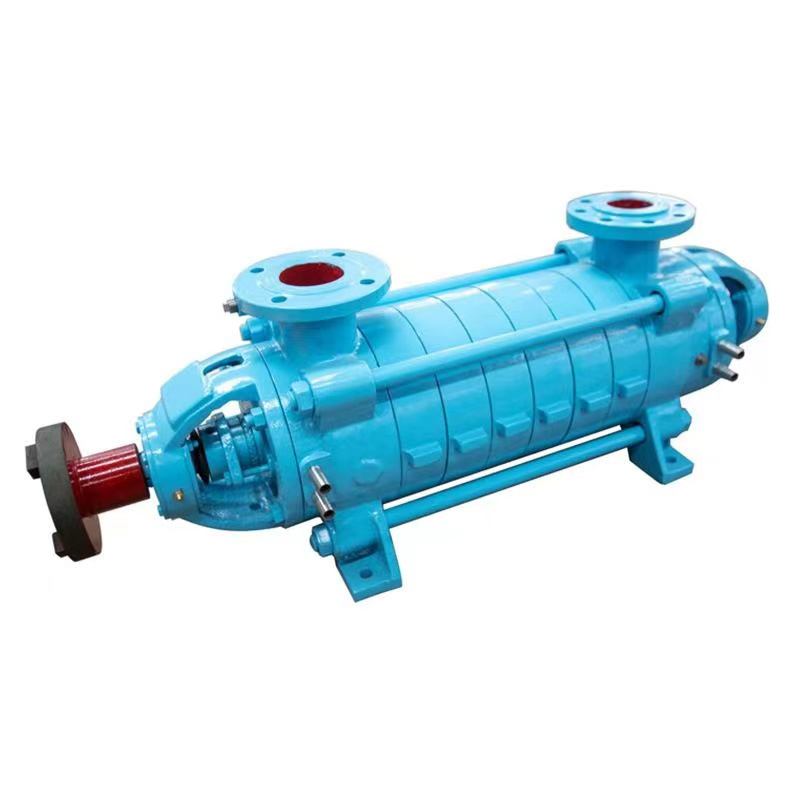
Multistage pumps are vital components in many industrial processes, designed to elevate the pressure of fluids efficiently. These pumps consist of multiple impellers, or stages, which work in harmony to increase the fluid's pressure progressively. This unique design allows for the handling of high-pressure applications that single-stage pumps may struggle to manage.
One of the primary advantages of multistage pumps is their ability to achieve higher pressures without requiring a larger motor or more energy consumption. By dividing the total pressure increase across multiple stages, these pumps can operate more efficiently, reducing operational costs and energy usage. For industries dealing with water supply, chemical processing, or oil and gas, the efficiency of a multistage pump can translate to significant cost savings over time.
In addition to energy efficiency, multistage pumps provide versatility. They can be employed in various applications, including boiler feedwater, reverse osmosis systems, and irrigation systems. Their adaptability makes them a preferred choice for industries that require precise pressure control and flexibility in operations. Each stage in the pump can be optimized for specific conditions, allowing for tailored solutions that meet the unique demands of different processes.
Another crucial aspect of multistage pumps is their construction and materials. Typically made from durable materials such as stainless steel or cast iron, these pumps are designed to withstand harsh conditions, including corrosive fluids and high temperatures. This durability ensures a longer service life and reduces the need for frequent maintenance, contributing to uninterrupted operations in industrial settings.
When selecting a multistage pump, professionals should consider factors such as flow rate, total dynamic head, and the type of fluid being pumped. Understanding these parameters is essential for ensuring the pump operates at peak efficiency and meets the specific requirements of the application.
In conclusion, multistage pumps are indispensable in various industrial applications, offering enhanced efficiency, versatility, and durability. As industries continue to prioritize cost-effectiveness and energy savings, the relevance of multistage pumps will only grow. By understanding their operation, benefits, and applications, professionals can make informed decisions that lead to improved performance and reliability in their fluid management systems.
One of the primary advantages of multistage pumps is their ability to achieve higher pressures without requiring a larger motor or more energy consumption. By dividing the total pressure increase across multiple stages, these pumps can operate more efficiently, reducing operational costs and energy usage. For industries dealing with water supply, chemical processing, or oil and gas, the efficiency of a multistage pump can translate to significant cost savings over time.
In addition to energy efficiency, multistage pumps provide versatility. They can be employed in various applications, including boiler feedwater, reverse osmosis systems, and irrigation systems. Their adaptability makes them a preferred choice for industries that require precise pressure control and flexibility in operations. Each stage in the pump can be optimized for specific conditions, allowing for tailored solutions that meet the unique demands of different processes.
Another crucial aspect of multistage pumps is their construction and materials. Typically made from durable materials such as stainless steel or cast iron, these pumps are designed to withstand harsh conditions, including corrosive fluids and high temperatures. This durability ensures a longer service life and reduces the need for frequent maintenance, contributing to uninterrupted operations in industrial settings.
When selecting a multistage pump, professionals should consider factors such as flow rate, total dynamic head, and the type of fluid being pumped. Understanding these parameters is essential for ensuring the pump operates at peak efficiency and meets the specific requirements of the application.
In conclusion, multistage pumps are indispensable in various industrial applications, offering enhanced efficiency, versatility, and durability. As industries continue to prioritize cost-effectiveness and energy savings, the relevance of multistage pumps will only grow. By understanding their operation, benefits, and applications, professionals can make informed decisions that lead to improved performance and reliability in their fluid management systems.
PREVIOUS:
Contact Us
E-mail :
liu@cnpumpmade.com
WhatsApp:
+8615028256698
Address:
Nanyang Industrial Park, Shifo Town, Anguo City, Hebei Province, China


Leave Your Message